Why Toe Nail Psoriasis vs Fungus Confusion Affects Millions
Picture this: your toenails are thickening, turning yellow or white, and crumbling at the edges. Is it toe nail psoriasis vs fungus? This confusion plagues millions, as both conditions share eerily similar symptoms like discoloration, brittleness, and separation from the nail bed. In 2026, with rising awareness of foot health, misdiagnosis remains rampant, delaying proper care and worsening issues.
Toenail psoriasis, an autoimmune flare-up affecting up to 80% of psoriasis patients, causes pitting and rapid cell growth. Meanwhile, toenail fungus (onychomycosis) infects 10-50% of adults over 70, thriving in moist environments like sweaty shoes. The overlap? Both distort nails, but psoriasis often hits multiple nails while fungus spreads slowly from one. People with psoriasis are even more prone to secondary fungal infections, amplifying the mix-up.
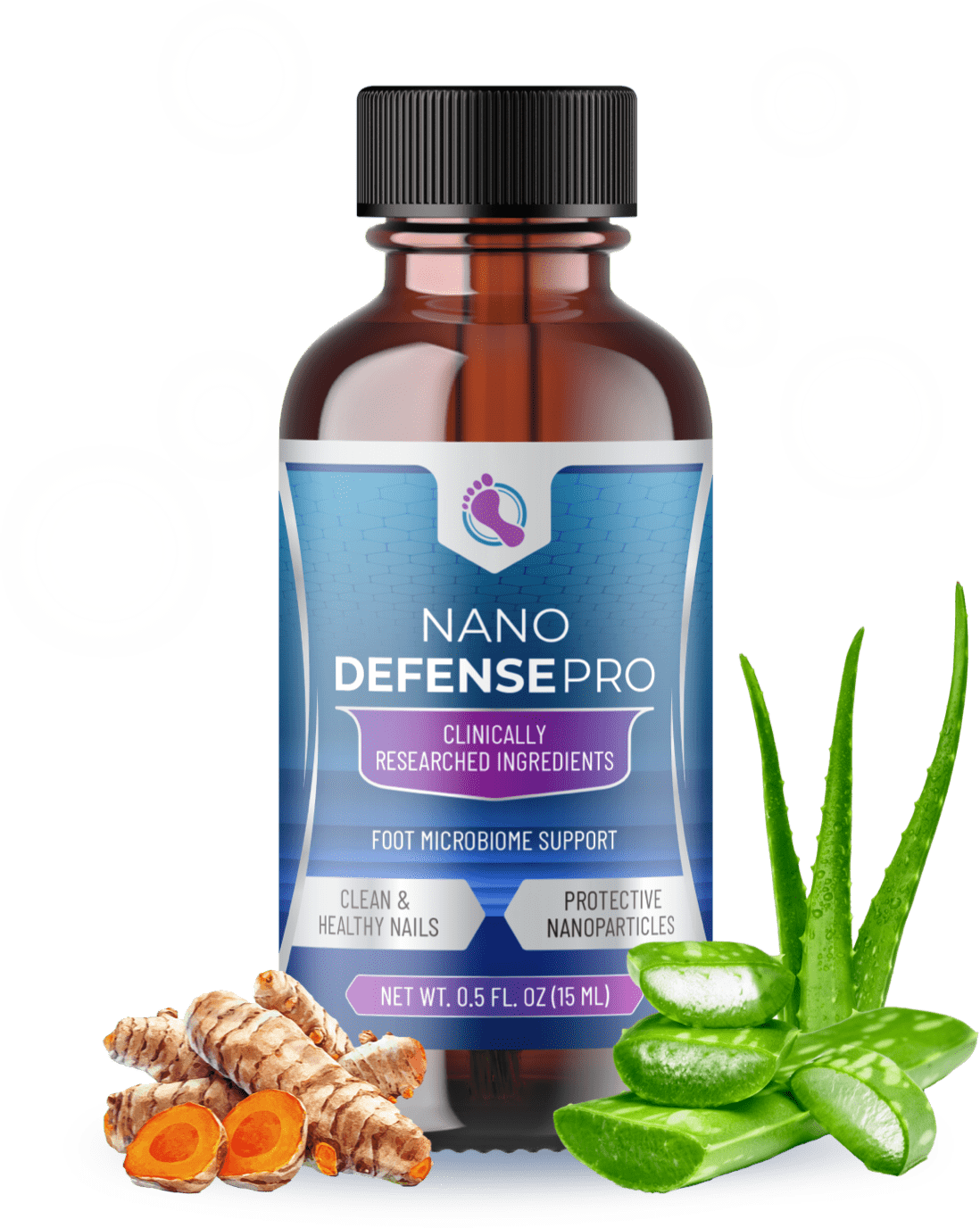
Accurate differentiation demands a pro evaluation think nail clippings or microscopy. While waiting, natural options like NanoDefense Pro, with its nano-emulsified oils for foot microbiome support, offer relief for fungus-like symptoms without harsh chemicals.
Coming up: symptom breakdowns, key differences, diagnosis tips, treatments, and prevention strategies to clear the toe nail psoriasis vs fungus fog for good.
What Is Toenail Psoriasis?
Toenail psoriasis is a common nail manifestation of psoriasis, an autoimmune condition where the immune system mistakenly attacks healthy cells in the nail bed and matrix. Unlike toenail fungus (onychomycosis), which is a contagious infection from dermatophytes thriving in moist environments, psoriasis is chronic and non-infectious. It affects up to 80% of people with plaque psoriasis, often hitting multiple toenails and fingernails simultaneously. In the ongoing debate of toe nail psoriasis vs fungus, distinguishing them is crucial since symptoms overlap, and psoriasis patients are at higher risk for secondary fungal infections.
Key Symptoms and Characteristics
Spot the hallmarks of toenail psoriasis through these distinct signs:
- Pitting: Tiny pits or dents on the nail surface, like a thimble’s texture.
- Oil-drop spots: Salmon-pink or yellowish discoloration under the nail plate.
- Onycholysis: Nail separation from the bed, creating a white or yellow gap.
- Ridging and thickening: Longitudinal ridges and abnormal thickening due to rapid cell growth.
- Crumbling: Brittle, crumbly nails, often affecting multiple nails without odor.
These differ from fungus, which typically starts on one big toe with yellowing, brittleness, and a foul smell. Always consult a dermatologist for accurate diagnosis via nail clippings.
Causes and Risk Factors
Primarily autoimmune, toenail psoriasis stems from genetic factors and immune overactivity, linked to skin psoriasis in 50-80% of cases and psoriatic arthritis in some. Triggers include stress, infections, or trauma (Koebner phenomenon). It’s not contagious like fungus but can coexist, complicating toe nail psoriasis vs fungus identification.
For symptom relief amid confusion, natural options like NanoDefense Pro with its nano-emulsified, clinically researched ingredients support nail health and combat potential fungal overlap without harsh chemicals.
What Is Toenail Fungus (Onychomycosis)?
Toenail fungus, medically known as onychomycosis, is a common infection that affects millions worldwide, often mistaken for toe nail psoriasis vs fungus due to overlapping symptoms like discoloration and thickening. Unlike psoriasis an autoimmune condition causing nail pitting and rapid cell growth onychomycosis is a contagious fungal invasion of the nail bed, primarily by dermatophytes like Trichophyton rubrum. It thrives in warm, moist environments and can worsen if misdiagnosed as psoriasis.
Common Symptoms and Progression
Onychomycosis typically starts on a single toenail, often the big toe, and spreads slowly. Key signs include:
- Yellow or white discoloration, sometimes with black spots from debris.
- Uniform thickening and brittleness, making nails crumbly.
- Foul odor, pain, and separation from the nail bed (onycholysis).
Progression leads to nail distortion and potential spread to skin (athlete’s foot). In toe nail psoriasis vs fungus comparisons, psoriasis affects multiple nails with oily spots and pitting, while fungus brings odor and starts unilaterally.
Causes and Transmission
Caused by dermatophytes, yeasts, or molds feeding on keratin, it’s triggered by sweaty shoes, public pools, or shared clippers. Highly contagious, it spreads via direct contact or from athlete’s foot. Those with psoriasis face higher risk due to nail damage.
For effective management, natural options like NanoDefense Pro with nano-emulsified tea tree and microbiome-supporting ingredients target fungus without harsh chemicals. Discover how NanoDefense Pro can restore healthy nails.
Toe Nail Psoriasis vs Fungus: Spotting the Key Differences
Confused about toe nail psoriasis vs fungus? These conditions often mimic each other, causing thickened, discolored toenails that can ruin your confidence. While both lead to nail changes, key differences in appearance, causes, and spread help you spot them. Always consult a dermatologist for accurate diagnosis via nail clippings or microscopy, as psoriasis raises fungal infection risk.
Visual and Structural Comparisons
Examine your nails closely unique signs stand out. Psoriasis shows pitting (tiny holes), salmon-colored oil spots, and onycholysis (nail lifting), often on multiple nails. Fungus brings uniform yellow/white streaks, brittleness, and a foul odor.
| Feature | Toe Nail Psoriasis | Toe Nail Fungus (Onychomycosis) |
|---|---|---|
| Cause | Autoimmune (attacks healthy cells) | Fungal infection (dermatophytes, yeasts) |
| Location | Multiple nails (toes/fingers) | Starts on one toenail, spreads slowly |
| Unique Signs | Pitting, oil spots, crumbling edge | Yellow/white discoloration, odor, powdery debris |
Contagion, Speed, and Nail Impact
Psoriasis is non-contagious and chronic, hitting multiple nails rapidly due to immune flares up to 80% of psoriasis patients experience it. Fungus spreads contagiously via moist environments like pools or shoes, progressing slowly from one nail. Both thicken nails and cause pain, but misdiagnosing fungus as psoriasis (or vice versa) delays relief.
For suspected fungus, NanoDefense Pro offers nano-emulsified natural support with tea tree and microbiome-friendly ingredients to target infections gently.
Overlaps and Why Misdiagnosis Happens
When comparing toe nail psoriasis vs fungus, the visual overlaps make it tricky to tell them apart at home. Both conditions can transform healthy nails into thick, discolored, and crumbly messes, leading many to grab over-the-counter antifungals that might not help or worse, irritate psoriasis further. Let’s break down why this confusion is so common.
Symptom Similarities Leading to Confusion
The hallmark signs often mirror each other: nail thickening, yellow or white discoloration, crumbling edges, and even separation from the nail bed. Psoriasis adds unique pitting (tiny dents like thimbles), but early fungus can mimic this too. Shockingly, 30-50% of psoriasis patients develop secondary fungal infections due to damaged nail barriers and immune factors, blurring the lines even more[1][3].
- Shared traits: Thickening, brittleness, odor in advanced cases.
- Psoriasis twist: Oil spots (salmon-colored patches), multiple nails affected.
- Fungus clue: Starts on one toe, spreads slowly.
Real-World Misdiagnosis Rates
Studies show up to 40% of suspected fungal cases turn out to be psoriasis or vice versa, especially without lab tests like microscopy or cultures[2][5]. Nail trauma from psoriasis weakens defenses, inviting fungus, while immunosuppressants for psoriasis heighten infection risk. Self-diagnosis via Google photos? It’s a recipe for delay symptoms worsen over months.
While seeking a pro diagnosis (dermatologist or podiatrist), consider a gentle option like NanoDefense Pro. Its nano-emulsified natural ingredients support nail health and combat fungal overgrowth without harsh chemicals, ideal for overlapping symptoms.
How to Get an Accurate Diagnosis
Distinguishing toenail psoriasis vs fungus can be tricky due to overlapping symptoms like thickening, discoloration, and crumbling. Self-diagnosis often leads to wrong treatments antifungals won’t help psoriasis, and ignoring psoriasis risks flares. In 2026, professional diagnosis remains key for tailored care.
Professional Tests and Methods
Consult a dermatologist or podiatrist for precision. They use:
- KOH Prep: A quick microscopy test dissolving nail debris to reveal fungal elements under light ideal for onychomycosis.
- Fungal Culture: Nail clippings grown in a lab (up to 4 weeks) confirm fungus type, ruling out psoriasis.
- Biopsy: For suspected psoriasis, a small sample checks immune cell activity and pitting/oil spots.
See a pro if changes persist over 6 weeks, spread, or cause pain. Psoriasis patients have higher fungus risk, so dual testing is common.
Self-Assessment Red Flags
While waiting for your appointment, note these:
- Brittle, yellow nails with odor (fungus likely).
- Pitting, salmon spots, or multiple nail involvement (psoriasis flag).
- Spreading from one toe or linked to skin plaques.
Avoid DIY remedies they can worsen issues. If fungus is suspected, safe topicals like NanoDefense Pro, with nano-emulsified natural oils, offer symptom relief without harm.
Treatment Options for Toenail Psoriasis
Unlike toenail fungus, which responds to antifungal medications, toenail psoriasis requires targeted therapies to calm the autoimmune response causing pitting, thickening, and separation. Accurate diagnosis is key in toe nail psoriasis vs fungus scenarios, as misapplying antifungals can worsen symptoms. Here’s a breakdown of proven options in 2026.
Topical, Systemic, and Advanced Therapies
Start with topicals for mild cases: high-potency corticosteroids reduce inflammation, while calcipotriene (a vitamin D analog) slows rapid nail cell growth. For severe toenail psoriasis, intralesional steroid injections or systemic meds like methotrexate work faster.
- Biologics: TNF or IL-17 inhibitors (e.g., adalimumab) target immune pathways, clearing nails in 6-12 months.
- Phototherapy: UVB light sessions improve multiple nails.
Expect regrowth in 12-18 months patience is essential, as nails grow slowly (about 1mm/month).
Managing Associated Conditions
Toenail psoriasis often links to skin plaques or psoriatic arthritis, affecting 30% of patients. Integrate holistic care: moisturize skin, manage joint pain with NSAIDs, and monitor for secondary fungal infections, common due to nail damage.
For nail health support amid toe nail psoriasis vs fungus confusion, natural options like NanoDefense Pro with nano-emulsified tea tree and microbiome-friendly ingredients help protect against opportunistic fungi without harsh chemicals. Users report clearer nails when used alongside prescribed therapies.
Treatment Options for Toenail Fungus
When distinguishing toe nail psoriasis vs fungus, getting the right treatment is crucial treating fungal onychomycosis with psoriasis therapies (or vice versa) can worsen symptoms. If a podiatrist confirms fungus via nail clippings or culture, here’s what works in 2026.
Prescription and Over-the-Counter Solutions
- Oral Medications: Terbinafine (Lamisil) leads with 70-80% cure rates after 12 weeks, but monitor liver function due to rare risks. Itraconazole is another option for milder cases.
- Topical Treatments: Efinaconazole (Jublia) or tavaborole (Kerydin) penetrate nails better, boasting 15-55% efficacy with daily use for up to a year. OTC ciclopirox lacquer offers milder relief.
- Laser Therapy: Nd:YAG lasers target fungus without drugs, with 60-70% improvement in studies, though multiple sessions cost $500+ each.
These are effective but can take months; consult a doctor to rule out psoriasis overlap.
Natural Remedies and Emerging Trends
Prefer drug-free? Tea tree oil shows 20-40% improvement in trials for its antifungal properties, diluted and applied daily. Vicks VapoRub or vinegar soaks help mildly, but results vary.
For better penetration without liver risks, NanoDefense Pro stands out a nano-emulsified blend with tea tree, turmeric, and microbiome-supporting ingredients in a clinically researched formula. Users report clearer nails in weeks by targeting fungus deep in the nail bed, ideal if confusing it with psoriasis symptoms. Learn more about NanoDefense Pro.
NanoDefense Pro: Your Guide to Tackling Fungus-Like Symptoms
When dealing with toe nail psoriasis vs fungus, those stubborn, discolored, thickened nails can leave you frustrated. While psoriasis is autoimmune and chronic, fungus (onychomycosis) is infectious and often mimics it yellowing, crumbling, and odor are classic signs. NanoDefense Pro steps in as a targeted natural aid for fungus-like symptoms, especially when psoriasis patients face secondary infections, which happen in up to 30% of cases[1][3].
How NanoDefense Pro Works with Nanotechnology
This innovative 2026 formula uses nano-emulsified ingredients like tea tree oil and undecylenic acid, breaking them into tiny particles for deeper nail bed penetration. Unlike standard topicals that sit on the surface, these nanoparticles target dermatophytes directly, ideal for mild onychomycosis starting on one toe. It’s non-invasive, supporting the foot microbiome without harsh chemicals.
Benefits, Usage, and When It Fits Toe Nail Psoriasis vs Fungus
Benefits include clearer nails in weeks, reduced brittleness, and odor control perfect for fungus, but not a psoriasis cure. Apply daily after gently filing the nail: clean, dry, dab on, and let absorb. Fits best for single-nail yellowing or confirmed fungus; if psoriasis is suspected (pitting, multiple nails), consult a dermatologist first to avoid missteps. People with psoriasis are fungus-prone due to skin barriers[2][5].
- Pro tip: Pair with breathable shoes to prevent moisture buildup.
NanoDefense Pro vs Traditional Treatments
Traditional antifungals like terbinafine pills risk liver strain and take months; oral meds ignore psoriasis overlaps. NanoDefense Pro offers a gentler, DIY topical boom alternative clinically researched ingredients in an FDA-registered facility, 100% natural, GMO-free. While nano-superiority needs more studies, users report faster results for early fungus vs. psoriasis confusion. Always prioritize pro diagnosis.
Discover how NanoDefense Pro can help your nails a smart start for fungus-like woes.
Prevention Strategies for Healthy Toenails
Distinguishing toe nail psoriasis vs fungus is crucial, but preventing both starts with smart habits. While psoriasis is autoimmune and chronic, fungus thrives in moist environments and psoriasis patients are at higher risk for secondary fungal infections. Adopting these strategies in 2026 keeps your toenails strong and clear.
Daily Habits to Avoid Both Conditions
- Keep feet dry and clean: Dry thoroughly after showers or swims to starve fungi. Use antifungal powders in shoes.
- Choose breathable footwear: Opt for moisture-wicking socks and shoes with good ventilation to reduce sweat buildup, a trigger for both.
- Practice nail hygiene: Trim nails straight across, file edges smooth, and avoid sharing clippers to prevent fungal spread.
- Avoid public wet areas barefoot: Wear flip-flops in pools or gyms to dodge dermatophytes.
These simple steps minimize toe nail psoriasis vs fungus overlap risks, like discoloration and thickening.
Lifestyle Tips for High-Risk Individuals
If you have psoriasis, monitor nails closely up to 80% develop changes, increasing fungus vulnerability. Manage stress with exercise or meditation to curb flares. Quit smoking, as it worsens psoriasis.
For proactive defense, consider NanoDefense Pro, a nano-emulsified formula with natural ingredients like tea tree and turmeric supporting foot microbiome and nail health. It’s ideal for preventing fungal overgrowth in psoriasis-prone feet. Try NanoDefense Pro today for cleaner nails.
Early habits and tools like NanoDefense Pro empower you against toe nail psoriasis vs fungus.
Master Toe Nail Psoriasis vs Fungus with NanoDefense Pro
In 2026, distinguishing toe nail psoriasis vs fungus remains crucial for effective treatment. Both cause thickening, discoloration, and crumbling, but key differences matter: psoriasis is autoimmune, often pitting multiple nails without odor, while fungus is infectious, starting on one toe with yellowing, brittleness, and smell.
| Feature | Toe Nail Psoriasis | Toe Nail Fungus |
|---|---|---|
| Cause | Autoimmune | Fungal infection |
| Nails Affected | Multiple (fingers/toes) | Starts on one toe |
| Key Signs | Pitting, separation | Yellow/white, odor, brittle |
| Contagious? | No | Yes |
Always consult a dermatologist for accurate diagnosis via clipping or microscopy psoriasis raises fungus risk, and mis treatment worsens issues. For suspected mild fungus post-check, NanoDefense Pro offers a safe, natural start with nano-emulsified oils supporting nail health and microbiome.
Prioritize professional advice, then nurture nails daily. With consistency, regain confidence in 12-18 months healthy feet await!
Leave a Reply