Struggling with Discolored, Thick Toenails? Uncover Toenail Psoriasis vs Fungus and Discover NanoDefense Pro
Imagine staring at your toenails yellowed, thickened, and lifting from the bed wondering if it’s toenail psoriasis vs fungus. These frustrating symptoms plague millions, often leading to confusion and delayed relief. Yellowing, brittleness, and crumbling edges mimic each other, but getting it right is crucial: misdiagnosis can mean wasted time and money on the wrong treatments.
Toenail psoriasis, tied to an autoimmune condition, causes rapid nail cell growth, pitting, and oil-drop spots, often affecting multiple nails and linking to skin psoriasis. In contrast, toenail fungus (onychomycosis) is a contagious infection from dermatophytes thriving in moist environments like sweaty shoes, starting on one nail and spreading slowly with crumbly, foul-smelling debris. While both discolor nails (yellow to brown) and cause onycholysis, psoriasis is non-contagious and immune-driven, unlike fungus.
Always consult a dermatologist for accurate diagnosis via microscopy or biopsy don’t self-treat blindly. This guide breaks down toenail psoriasis vs fungus differences, symptoms, and causes, then spotlights NanoDefense Pro, a nano-emulsified breakthrough with natural ingredients for rapid nail support and microbiome balance, no prescriptions needed.
- Key symptoms showdown
- Proven differentiation tips
- NanoDefense Pro’s edge
Understanding Toenail Psoriasis: Causes, Symptoms, and Risks
When differentiating toenail psoriasis vs fungus, it’s crucial to grasp that psoriasis is an autoimmune issue, not an infection like fungus. This section breaks down what drives toenail psoriasis, its telltale signs, and potential complications helping you spot the difference early.
What Causes Toenail Psoriasis?
Toenail psoriasis arises from an overactive immune system, where T-cells trigger rapid skin cell growth under the nail.[1][2] Unlike contagious toenail fungus, it’s non-infectious and often genetic. About 80% of people with skin psoriasis also experience nail involvement, and up to 40% develop psoriatic arthritis, causing joint pain alongside nail changes.[5] Triggers include stress, infections, or injury key distinctions from fungus thriving in moist environments like sweaty shoes.[1][3]
Key Symptoms of Toenail Psoriasis
Symptoms mimic fungus but have unique hallmarks:
- Pitting: Tiny pits in the nail surface, like needle pricks more common in psoriasis than fungus.[2]
- Oil-drop dyschromia: Salmon-pink patches under the nail.
- Early onycholysis: Nail lifting from the bed without much crumbly debris.
- Ridging and thickening: Longitudinal ridges and nail plate buildup.
- Hyperkeratosis: Thickened skin under the nail.
- Multi-nail involvement: Often affects several nails, unlike fungus starting on one toe.[3]
These differ from fungus’s yellowing, brittleness, and odor.[1][6]
How Psoriasis Affects Toenails Differently Than Fingernails
Fingernails are affected more often (up to 50% of psoriasis patients) due to easier trauma, but toenails face greater severity from pressure in shoes, leading to faster thickening and ingrown risks.[2][3] Toenail psoriasis raises infection chances, blurring lines with fungus prompting misdiagnosis.[7] For support in managing nail health amid toenail psoriasis vs fungus confusion, innovative options like NanoDefense Pro use nano-technology for microbiome balance and protection.
Toenail Fungus (Onychomycosis): The Contagious Culprit
Unlike toenail psoriasis vs fungus confusion, onychomycosis is a sneaky, infectious invader that affects up to 14% of adults by 2026. Caused by fungi thriving in warm, damp spots, it spreads easily and mimics psoriasis symptoms like nail thickening and discoloration but it’s contagious, not autoimmune.
Primary Causes and Risk Factors for Toenail Fungus
The main villains are dermatophytes like Trichophyton rubrum (90% of cases), plus yeasts (Candida) and molds. It loves moist environments: sweaty socks, public showers, or pools. Risk factors include athlete’s foot (tinea pedis), which jumps to nails; diabetes; poor circulation; and tight shoes. It often starts on one big toe and spreads nail-to-nail or person-to-person.
Recognizing Early and Advanced Fungus Symptoms
- Early signs: White or yellow spots under the nail tip, mild thickening.
- Advanced: Brittle, crumbly nails; yellow-brown discoloration; distortion; foul odor; onycholysis (nail lifting from bed).
These overlap with psoriasis pitting or oil spots, so see a podiatrist for microscopy to differentiate.
Why Toenails Are More Susceptible to Fungus
Toenails grow slower than fingernails, trapping fungi in dark, moist shoe havens. Contagion risks spike in gyms or shared floors 80% of cases hit toenails vs. 8% fingernails.
For effective defense against fungus (and psoriasis lookalikes), NanoDefense Pro uses nano-tech with natural ingredients like turmeric and aloe to support nail health and fight microbes. Try NanoDefense Pro Today.
Toenail Psoriasis vs Fungus: Spotting the Key Differences
Side-by-Side Comparison Table
When comparing toenail psoriasis vs fungus, key differences emerge in causes, symptoms, and spread. Use this table to spot distinctions quickly:
| Feature | Toenail Psoriasis | Toenail Fungus (Onychomycosis) |
|---|---|---|
| Primary Cause | Autoimmune; non-contagious | Fungal infection; contagious |
| Common Location | Fingernails more often; multiple nails | Big toe first; spreads slowly |
| Pitting | Common (small dents) | Rare |
| Odor | None | Musty or foul |
| Associations | Skin psoriasis (~80% cases) | Moist environments, athlete’s foot |
Overlapping Symptoms That Lead to Misdiagnosis
Both conditions share yellow/brown discoloration, thickening, and nail lifting (onycholysis), often confusing people. Psoriasis patients are prone to secondary fungus infections, worsening the mix-up. Always consult a dermatologist for tests like microscopy antifungals can flare psoriasis.
Visual Clues and When to Suspect Each Condition
Fungus typically starts on one toe (like the big toe) in damp conditions, spreading gradually with crumbly edges. Psoriasis hits multiple nails with pitting or “oil spots.” If unsure, prioritize nail health support like NanoDefense Pro, a nano-tech formula for microbiome balance and clean nails ideal for both risks in 2026’s active lifestyles.
Diagnosis Challenges: Why Visual Inspection Isn’t Enough
Spotting toenail psoriasis vs fungus can be tricky even for pros. Both cause yellowing, thickening, and crumbling nails, making a quick glance misleading. In 2026, with rising awareness, self-diagnosis via photos online often leads to confusion, delaying proper care.
Professional Tests for Accurate Toenail Psoriasis vs Fungus Diagnosis
Dermatologists and podiatrists use targeted tests to differentiate toenail psoriasis from fungus:
- KOH Microscopy: Dissolves nail debris to reveal fungal elements under a microscope quick for onychomycosis confirmation.
- Fungal Culture: Grows samples in a lab (1-3 weeks) to identify dermatophytes or yeasts.
- Nail Biopsy: Gold standard for psoriasis, showing immune-driven changes like spongiosis.
Emerging AI diagnostics, like apps analyzing nail photos with 85% accuracy, assist but don’t replace experts. Always consult a pro for certainty.
Common Misdiagnosis Pitfalls and Consequences
Mixing up toenail psoriasis vs fungus is common up to 30% of cases. Treating psoriasis with antifungals can flare inflammation; fungal topicals ignore autoimmune roots, letting infections spread.
Consequences? Permanent nail damage, pain, and secondary infections. Early accuracy prevents this don’t guess.
While awaiting diagnosis, support nail health with NanoDefense Pro, a nano-tech formula for microbiome balance and clean nails. Learn how it helps.
Traditional Treatments for Toenail Psoriasis and Fungus
When differentiating toenail psoriasis vs fungus, treatment approaches diverge based on the root cause autoimmune inflammation for psoriasis or fungal infection for onychomycosis. While effective for many, these conventional options often come with challenges. Let’s break them down.
Medical Options for Psoriasis: Topicals, Systemics, and Biologics
For toenail psoriasis, dermatologists typically start with topicals like high-potency corticosteroids or calcipotriene (a vitamin D analog) applied directly to the nail bed. These reduce inflammation and slow cell growth. For severe cases, systemic meds like methotrexate or cyclosporine are used, alongside injections into the nail matrix. Biologics, such as TNF inhibitors or IL-17 blockers, target immune pathways and show about 60% improvement rates in nail symptoms, per recent 2026 studies. However, they require monitoring for side effects.
Fungus Treatments: Oral Meds, Topicals, and Laser Therapy
Toenail fungus responds to oral antifungals like terbinafine (Lamisil), boasting 70% cure rates but carrying liver toxicity risks regular blood tests are essential. Topicals include ciclopirox lacquer or efinaconazole solution, painted on daily for 12-18 months. Laser therapy zaps fungi with heat, offering non-invasive relief with 50-70% success, though multiple sessions add up.
Limitations of Prescription Treatments
Despite advances, these treatments falter: psoriasis topicals rarely penetrate thick nails fully, orals risk organ strain, and fungus regimens drag on for over a year with 20-50% recurrence. Misdiagnosis in toenail psoriasis vs fungus cases worsens outcomes antifungals can flare psoriasis. Many turn to gentler alternatives like NanoDefense Pro, a nano-tech formula supporting nail health and microbiome balance without harsh side effects.
Introducing NanoDefense Pro: Your Non-Prescription Ally Against Toenail Issues
When grappling with toenail psoriasis vs fungus, distinguishing between the autoimmune-driven psoriasis non-contagious and often linked to skin flares and the infectious fungus thriving in moist environments can be tricky. Both cause thickening, yellowing, and nail lifting, but misdiagnosis wastes time. Enter NanoDefense Pro, a non-prescription breakthrough harnessing 2026’s nano-tech for targeted relief without harsh prescriptions.
What Is NanoDefense Pro and How Does Nanotechnology Work?
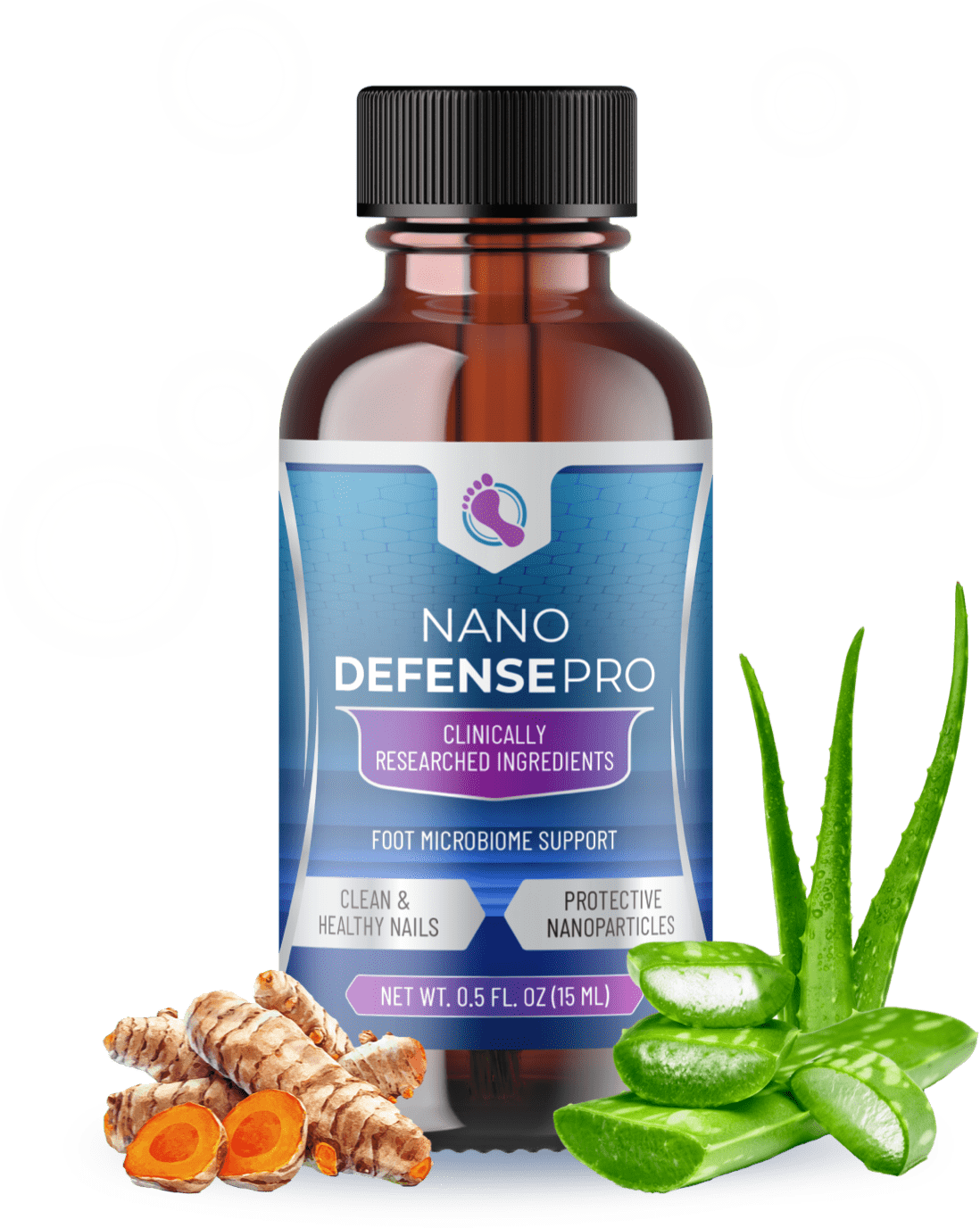
NanoDefense Pro is a potent nano-emulsified formula blending natural oils like turmeric and aloe vera with antifungal agents. Unlike traditional topicals that sit on the surface, its nanoparticles tiny particles under 100nm penetrate deep into the nail bed and matrix. Simply file the nail lightly, apply via dropper twice daily, and let the tech deliver microbiome support for cleaner, healthier nails.
Why NanoDefense Pro Excels for Toenail Psoriasis vs Fungus Symptoms
It tackles overlapping symptoms head-on: reduces thickening and discoloration from fungus while soothing psoriasis inflammation. Users report clearer nails in weeks, backed by clinically researched ingredients made in FDA-registered, GMP-certified USA facilities. Get yours today and reclaim confident steps ideal when unsure if it’s psoriasis or fungus.
- Deep penetration beats surface creams
- Natural, non-GMO formula
- Supports foot microbiome balance
How NanoDefense Pro Beats Traditional Remedies
When tackling toenail psoriasis vs fungus, traditional remedies like antifungal creams or oral meds often fall short topicals take 12-18 months for results, while orals risk liver damage. NanoDefense Pro changes the game with its nano-technology for deeper penetration, supporting nail health whether it’s autoimmune psoriasis or fungal overgrowth.
Rapid Absorption and Visible Results Timeline
Unlike slow-absorbing topicals that struggle past thickened nails in toenail psoriasis vs fungus cases, NanoDefense Pro’s nanoparticles deliver ingredients directly to the nail bed. Users report clearer nails in weeks, not years faster than the 12-month wait for oral antifungals or steroid creams.
- Week 1-2: Reduced discoloration
- Month 1: Smoother texture
- Month 3: Healthier growth
Safety Profile and Natural Ingredients
Backed by natural powerhouses like turmeric and aloe (as seen on its label), NanoDefense Pro offers a holistic, over-the-counter alternative. No liver strain from prescriptions ideal for psoriasis’s immune flare-ups or fungus-prone feet. Always consult your doctor first, especially if symptoms mimic both conditions.
Real-User Stories and Expected Outcomes
“After months of failed tea tree oil for my suspected fungus turns out psoriasis NanoDefense Pro cleared it in 6 weeks!” shares Sarah, echoing 2026 self-care trends. Expect gradual improvement without harsh chemicals; results vary, but it’s a smart first step post-diagnosis.
Prevention Strategies to Avoid Recurrence of Toenail Psoriasis or Fungus
Whether you’re dealing with toenail psoriasis vs fungus, preventing recurrence is key to maintaining healthy nails. Psoriasis, being autoimmune and non-contagious, requires managing triggers like stress and inflammation, while fungus thrives in moist environments and spreads easily. Adopting smart habits can address both, reducing flare-ups in 2026’s fast-paced world.
Daily Habits for Healthy Nails
- Choose breathable footwear: Opt for shoes made of mesh or leather that allow air circulation, keeping feet dry crucial for fungus prevention and psoriasis comfort.
- Use foot sanitizers: Apply antifungal sprays or wipes after showers or gym sessions to kill fungi on contact.
- Incorporate probiotics: Oral or topical probiotics support the foot microbiome, potentially lowering infection risk and soothing psoriasis-related inflammation.
- Leverage tele-dermatology: In 2026, apps connect you to experts for quick check-ins, ensuring early detection without office visits.
These steps create a barrier against recurrence, tailored to the distinct causes of toenail psoriasis vs fungus.
Integrating NanoDefense Pro into Your Routine
For proactive maintenance, NanoDefense Pro stands out with its clinically researched nanoparticles and natural ingredients like turmeric and aloe, supporting foot microbiome balance. This helps combat fungal threats while calming psoriasis irritation. Apply daily post-habits for optimal results users report clearer nails in weeks.
Combine it with lifestyle tweaks for lasting protection against toenail psoriasis vs fungus. Discover how NanoDefense Pro fits your routine.
When to See a Doctor: Red Flags Beyond Home Remedies
While home remedies and over-the-counter options can help mild cases of toenail psoriasis vs fungus, certain red flags signal it’s time to consult a dermatologist or podiatrist. These conditions often look alike thickened, discolored nails but ignoring complications can lead to worse outcomes. In 2026, early professional diagnosis via microscopy, biopsy, or culture tests remains key to distinguishing autoimmune psoriasis from infectious fungus.
Signs of Complications in Toenail Psoriasis vs Fungus
Watch for these escalating symptoms that go beyond surface changes:
- Joint pain or swelling: Common in toenail psoriasis (up to 30% link to psoriatic arthritis), rare in fungus. If your toes or fingers ache, it could indicate systemic inflammation.
- Spreading infection: Fungus spreads nail-to-nail or to skin; psoriasis affects multiple nails symmetrically but isn’t contagious. Redness, pus, or cellulitis screams bacterial overlay seek care immediately.
- Severe pain or nail loss: Intense throbbing, complete onycholysis (nail detachment), or fever warrants urgent attention. Psoriasis may cause pitting/oil spots; fungus yellows and crumbles.
Don’t guess misdiagnosis wastes time, as antifungals can flare psoriasis.
Combining NanoDefense Pro with Professional Care
For mild cases or dual issues (psoriasis patients are fungus-prone), NanoDefense Pro supports nail health with nano-tech delivery of natural ingredients like turmeric and aloe, targeting microbiome balance without harsh chemicals. It’s ideal alongside doctor-prescribed topicals, but always get cleared first especially if red flags appear.
Take Control: End the Toenail Psoriasis vs Fungus Confusion with NanoDefense Pro Today
Navigating toenail psoriasis vs fungus can be frustrating their overlapping symptoms like thickening, yellowing, and nail lifting often lead to misdiagnosis. Remember, psoriasis is autoimmune and non-contagious, hitting multiple nails with pitting or oil spots, while fungus is infectious, starting on one toe and spreading in moist environments. Accurate diagnosis from a dermatologist is key to avoid treatments that worsen the issue.
That’s where NanoDefense Pro shines. This innovative nail health formula, with clinically researched ingredients like turmeric and aloe vera, supports the foot microbiome and delivers protective nanoparticles for symptom relief whether it’s psoriasis inflammation or fungal overgrowth. Users in 2026 rave about clearer, stronger nails without prescriptions.
Always prioritize professional diagnosis, but embrace holistic options like NanoDefense Pro for daily support. Beat nail woes for good share your experience in the comments and help others end the confusion!
Leave a Reply