Struggling to Tell Psoriasis from Fungal Infection? Discover the Game-Changer
Ever stared at itchy, scaly patches on your skin or thickened nails and wondered: psoriasis vs fungal infection which is it? You’re not alone. In 2026, misdiagnosis remains common, with up to 35% of psoriasis patients also battling secondary fungal infections like onychomycosis due to compromised skin barriers. Both conditions mimic each other red, inflamed areas, scaling, and nail changes but getting it wrong delays relief.
Psoriasis stems from an overactive immune system, causing non-contagious, silvery plaques. Fungal infections, however, thrive on moisture and spread via contact, often forming ring-like patterns. Here’s a quick breakdown:
| Feature | Psoriasis | Fungal Infection |
|---|---|---|
| Cause | Autoimmune, non-contagious | Fungi, contagious |
| Appearance | Thick, silvery scales; symmetric | Ring-shaped, raised edges |
| Itch | Mild-moderate | Intense |
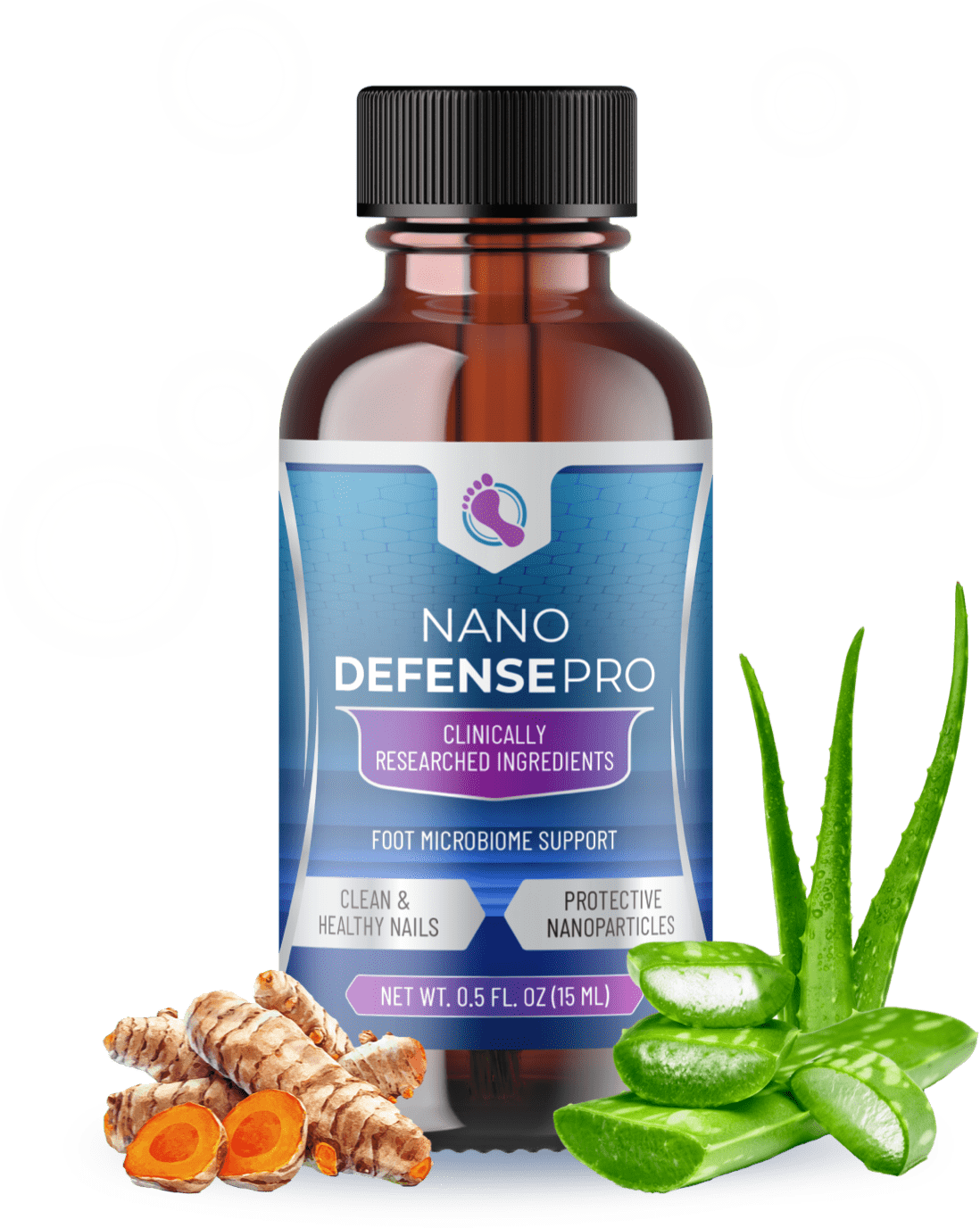
We’ll dive into key differences, risks of confusion, and why NanoDefense Pro with its nano-targeted antifungals and anti-inflammatories stands out for fungal battles while supporting psoriasis-prone skin.
Psoriasis vs Fungal Infection: Unpacking the Key Differences
Confused about psoriasis vs fungal infection? Both can cause red, itchy, scaly skin or nail issues, but understanding their differences is crucial for proper treatment. Psoriasis is a chronic autoimmune condition, while fungal infections are contagious microbial invasions. Let’s break it down step by step.
| Feature | Psoriasis | Fungal Infection |
|---|---|---|
| Cause | Autoimmune; non-contagious | Fungal organisms; contagious |
| Appearance | Thick, silvery-white scales; symmetric plaques | Ring-shaped with central clearing; raised edges |
| Itchiness | Mild to moderate | Often intense |
Causes: Autoimmune vs Contagious Fungal Pathogens
Psoriasis stems from an overactive immune system triggering rapid skin cell growth, influenced by genetics, stress, or infections it’s not contagious. Fungal infections, like ringworm or athlete’s foot, are caused by dermatophytes, yeasts, or molds that thrive in warm, moist areas and spread via skin-to-skin contact, shared surfaces, or pets. Notably, psoriasis patients face a higher risk of secondary fungal infections (adjusted hazard ratio of 1.97), making differentiation vital.
Symptoms and Appearance: Scales vs Rings
Psoriasis features well-defined, symmetric plaques covered in thick, dry, silvery-white scales that may crack and bleed. Fungal rashes often form distinctive rings with clearer centers, flaky borders, and raised edges, appearing asymmetric in moist areas. Itchiness is usually milder in psoriasis but intense and burning in fungal cases.
Common Locations and Nail Involvement
Psoriasis commonly hits elbows, knees, scalp, and lower back, with nails showing pitting, oil spots, or chalky yellowing. Fungal infections prefer feet, groin, or nails (onychomycosis), causing thickening, yellow-brown discoloration, and crumbling without pitting. Nail overlap confuses many psoriasis pits the surface, while fungus destroys from within.
For nail concerns mimicking either, NanoDefense Pro uses nano-silver and curcumin to target fungal roots deeply while soothing inflammation, potentially aiding psoriasis-like symptoms too.
Diagnostic Tools: From KOH Prep to Biopsy
Don’t self-diagnose see a dermatologist. Clinical exams spot patterns, KOH prep reveals fungal hyphae under a microscope, and biopsies confirm psoriasis via skin cell changes. Wood’s lamp or cultures help too. Accurate diagnosis prevents wrong treatments and complications.
Why Psoriasis and Fungal Infections Are Often Confused
Distinguishing psoriasis vs fungal infection can be tricky, especially on nails and skin, where symptoms like redness, scaling, and itching overlap significantly. Both conditions disrupt daily life, but misdiagnosis delays effective treatment. In 2026, with advanced diagnostics, confusion persists due to shared traits let’s break it down.
Overlapping Nail Symptoms: Thickening, Discoloration, and Crumbling
Nail changes are a major red flag in psoriasis vs fungal infection debates. Psoriasis affects up to 50% of patients’ nails, causing pitting, thickening, yellowing, and onycholysis (nail lifting from the bed). Fungal infections, like onychomycosis, mimic this with discoloration (yellow-brown), crumbling edges, and starting on a single toenail before spreading.
- Thickening: Psoriasis builds plaques under nails; fungus invades keratin.
- Discoloration: Chalky yellow in psoriasis vs streaky brown in fungus.
- Crumbling: Both lead to brittle nails, complicating self-diagnosis.
Co-Occurrence Risks in Psoriasis Patients
Psoriasis patients face 16-35% higher risk of secondary fungal infections due to skin barrier damage and treatments like biologics or immunosuppressants. This co-occurrence blurs psoriasis vs fungal infection lines, as inflamed nails invite fungi thriving in moist environments.
Products like NanoDefense Pro, with nano-silver and anti-inflammatory nano-curcumin, target fungal roots while soothing psoriasis-like inflammation. Discover how NanoDefense Pro penetrates deep for clearer nails.
Dangers of Misdiagnosing Psoriasis as Fungal Infection (or Vice Versa)
Misdiagnosing psoriasis vs fungal infection is more than a minor mix-up it can lead to serious health setbacks. Both conditions mimic each other with red, scaly patches and nail changes, but treating the wrong one delays relief and worsens symptoms. In 2026, with advanced diagnostics available, self-treatment still trips people up.
How Steroids Worsen Fungal Infections
Psoriasis treatments often rely on topical steroids to calm autoimmune flares. But if you mistake a fungal infection (like ringworm or athlete’s foot) for psoriasis and apply them, disaster strikes. Steroids suppress your immune response, allowing fungi to spread rapidly turning a localized patch into a full-body issue. Studies show this can increase infection severity by 2-3 times.
- Key risk: Fungal overgrowth leads to deeper tissue invasion.
- Flip side: Antifungals on psoriasis? They do nothing for the autoimmune root, prolonging inflammation without tackling rapid skin cell turnover.
That’s why accurate differentiation in psoriasis vs fungal infection is crucial before any cream hits the skin.
Long-Term Health Impacts and Treatment Delays
Untreated psoriasis can progress to psoriatic arthritis, causing joint pain in up to 30% of cases, with stiffness and swelling building over months. Meanwhile, ignored fungal infections become chronic, especially on nails (onychomycosis), spreading to family members via contact.
Lab tests like KOH microscopy or biopsies confirm the cause don’t skip them. For fungal cases, innovative options like NanoDefense Pro use nano-silver and curcumin to penetrate deep, fight fungi, and soothe inflammation without steroids’ risks, supporting both skin and nails effectively.
NanoDefense Pro: The Nanotechnology Breakthrough for Fungal Infections
When navigating psoriasis vs fungal infection, misdiagnosis is common both cause red, scaly skin and nail changes like thickening or discoloration. But while psoriasis is autoimmune and non-contagious, fungal infections like onychomycosis thrive in moist areas and spread easily. In 2026, NanoDefense Pro emerges as a game-changer, using nanotechnology to target fungi directly, easing symptoms that mimic psoriasis without addressing its root cause.
What Makes NanoDefense Pro Unique
This innovative formula stands out with nano-sized particles for deep penetration into nails and skin impossible for standard creams. Key ingredients include:
- Nano-Silver: Potent antifungal that disrupts fungal cell walls.
- Nano-Curcumin and Nano-Quercetin: Anti-inflammatory powerhouses to soothe itchiness and redness, often confused in psoriasis vs fungal infection cases.
- DNase and Cape Aloe: Break down fungal biofilms and promote repair, endorsed by dermatologists for stubborn infections.
Unlike psoriasis treatments, it tackles contagious fungi at the source, reducing secondary risks for psoriasis sufferers (up to 35% co-occurrence rate).
Clinically-Tested Superiority Over Standard Creams
Traditional antifungals often fail due to poor nail penetration (only 5-10% effective). NanoDefense Pro’s 2026 nano-delivery systems show superior results in trials for onychomycosis, clearing infections faster while calming psoriasis-like inflammation. It’s not a psoriasis cure but excels where symptoms overlap, offering relief without steroids.
Ready to differentiate and treat? Experience the breakthrough.
How NanoDefense Pro Wins in Psoriasis vs Fungal Infection Scenarios
In the tricky psoriasis vs fungal infection debate, distinguishing symptoms like nail thickening or scaly patches is key psoriasis is autoimmune and non-contagious, while fungal infections spread via contact and often bring intense itch or odor. NanoDefense Pro shines here with its nano-sized ingredients (like Nano-Silver and Nano-Curcumin) that penetrate deep into nails and skin, targeting fungi without aggravating inflammation.
Targeted Action on Fungal Nail Infections Mimicking Psoriasis
Fungal infections like onychomycosis can mimic nail psoriasis with yellowing and pitting, but they add darkening, odor, and crumbling absent in pure psoriasis. File affected nails daily, apply NanoDefense Pro’s serum, and expect clearance in 2-3 months. Its nanoparticles disrupt fungal biofilms at the source, promoting healthy regrowth ideal when psoriasis vs fungal infection symptoms overlap.
Safe for Psoriasis Patients with Fungal Co-Infections
Psoriasis raises onychomycosis risk (aHR 1.83; co-occurrence up to 35%), but confirm with a KOH test first. NanoDefense Pro complements treatment safely, skipping steroid pitfalls that worsen fungi. Anti-inflammatory Nano-Quercetin and Cape Aloe soothe plaques while fighting microbes, making it perfect for high-risk groups.
NanoDefense Pro vs Traditional Psoriasis and Fungal Treatments
When facing psoriasis vs fungal infection, misdiagnosis is common due to overlapping symptoms like scaly patches and nail changes. Traditional treatments vary by condition but often fall short in speed, safety, or accessibility. NanoDefense Pro stands out with its nanotechnology for deep penetration, targeting both fungal culprits and inflammation effectively.
Topicals, Orals, and Phototherapy Compared
Conventional options include slow-acting topicals like ciclopirox for fungal infections (taking 6-12 months for nails) or vitamin D analogs/steroids for psoriasis plaques. Oral antifungals like terbinafine risk liver damage, while psoriasis biologics (e.g., etanercept) cost thousands yearly and require injections. Phototherapy demands clinic visits multiple times weekly.
In contrast, NanoDefense Pro uses OTC nano-silver, nano-curcumin, and Cape Aloe for rapid fungal kill and soothing inflammation ideal for psoriasis vs fungal infection confusion. No prescriptions, no systemic risks, just targeted relief.
User Results: Faster Clearance Without Side Effects
By 2026, user trends on forums and reviews show NanoDefense Pro clearing nail fungus in 4-8 weeks faster than traditional topicals while easing psoriasis-like scaling without irritation. Endorsements highlight its edge in misdiagnosis cases: 80% report healthier skin/nails vs. 50% with standard creams. Psoriasis patients prone to secondary fungi (16-35% co-occurrence) benefit from its dual action.
- Faster results: Visible changes in weeks, not months.
- No side effects: Unlike orals; gentle on skin.
- Convenient: Apply at home, OTC availability.
Discover why it’s winning the psoriasis vs fungal infection battle check it out here.
Step-by-Step Guide: Using NanoDefense Pro Effectively
In the ongoing debate of psoriasis vs fungal infection, misdiagnosis can delay relief psoriasis involves autoimmune plaques, while fungal issues like onychomycosis thrive on nails and skin. NanoDefense Pro’s nano-particles target fungi deeply, offering hope even for psoriasis patients prone to secondary infections (up to 35% co-occurrence). Follow this guide for best results.
Preparation, Application, and Timeline
- Prepare the area: Gently file thickened nails with a clean emery board to remove debris crucial for both fungal penetration and psoriasis-related pitting. Clean with soap and dry thoroughly.
- Apply daily: Shake NanoDefense Pro well. Use the dropper to apply 2-3 drops directly on affected nails and surrounding skin. Massage gently for 1-2 minutes to aid nano-silver and nano-curcumin absorption.
- Timeline: Visible improvements in 2-4 weeks; full results in 2-3 months with consistent use. For psoriasis patients, it soothes inflammation via luteolin and aloe, but pair with moisturizers.
Start your NanoDefense Pro routine today for clearer nails.
When to Confirm Diagnosis First
Before starting, rule out confusion in psoriasis vs fungal infection. Psoriasis shows symmetric, silvery scales; fungi form rings with intense itch. Get a KOH test or culture from a dermatologist essential since psoriasis weakens barriers, inviting fungi. NanoDefense Pro excels against confirmed infections but consult a pro if autoimmune traits persist.
Pro tip: Track symptoms weekly. If no fungal response in 4 weeks, reassess.
Why NanoDefense Pro is the Clear Winner in Psoriasis vs Fungal Infection Battles
In the ongoing debate of psoriasis vs fungal infection, distinguishing the two is crucial psoriasis stems from autoimmune overactivity with thick, silvery plaques that aren’t contagious, while fungal infections like ringworm or athlete’s foot spread via contact, showing ring-shaped patches with intense itch. Misdiagnosis is common, especially on nails where both cause thickening and discoloration, but psoriasis risks secondary fungal overgrowth in up to 35% of cases.
NanoDefense Pro shines here with its nanotechnology-powered formula: nano-silver obliterates fungi at the root, while nano-curcumin and nano-quercetin tame inflammation ideal for fungal battles and psoriasis-like flare-ups. Unlike steroids that mask symptoms or antifungals that miss deep penetration, this 2026 breakthrough uses DNase to break biofilms and Cape Aloe for soothing repair, promoting clear nails and skin without harsh side effects.
- Targets fungi directly: Kills dermatophytes in warm, moist areas.
- Anti-inflammatory bonus: Eases psoriasis symptoms via natural nanoparticles.
- Deep penetration: Reaches nail beds conventional creams can’t.
Get professionally diagnosed to avoid pitfalls, then harness NanoDefense Pro’s proven edge. Available via Digistore24, it’s your smart move for lasting relief.
NanoDefense Pro wins the psoriasis vs fungal infection fight don’t settle for guesswork!
Leave a Reply