Why Psoriasis Nails vs Fungus Pictures Can Be Confusing
Have you ever stared at psoriasis nails vs fungus pictures online, wondering if your yellowing, crumbling nails are from an autoimmune flare-up or a sneaky fungal infection? You’re not alone many people mix them up because both conditions cause strikingly similar changes like discoloration, thickening, pitting, and onycholysis (nail lifting from the bed).
This confusion is no small issue. Mistaking nail psoriasis for fungus (or vice versa) can lead to ineffective treatments, delaying proper care and worsening symptoms. Nail psoriasis, linked to psoriasis or psoriatic arthritis, affects multiple nails uniformly with “oil spots” (yellow-brown patches) and isn’t contagious. Nail fungus (onychomycosis), however, often starts on one toenail, spreads slowly in moist environments, and shows irregular streaks or debris.
| Symptom | Nail Psoriasis | Nail Fungus |
|---|---|---|
| Discoloration | Yellow-brown oil spots, salmon patches | Yellow/white/brown streaks, green/black |
| Spread | Multiple nails, fingernails common | Starts on one toenail, contagious |
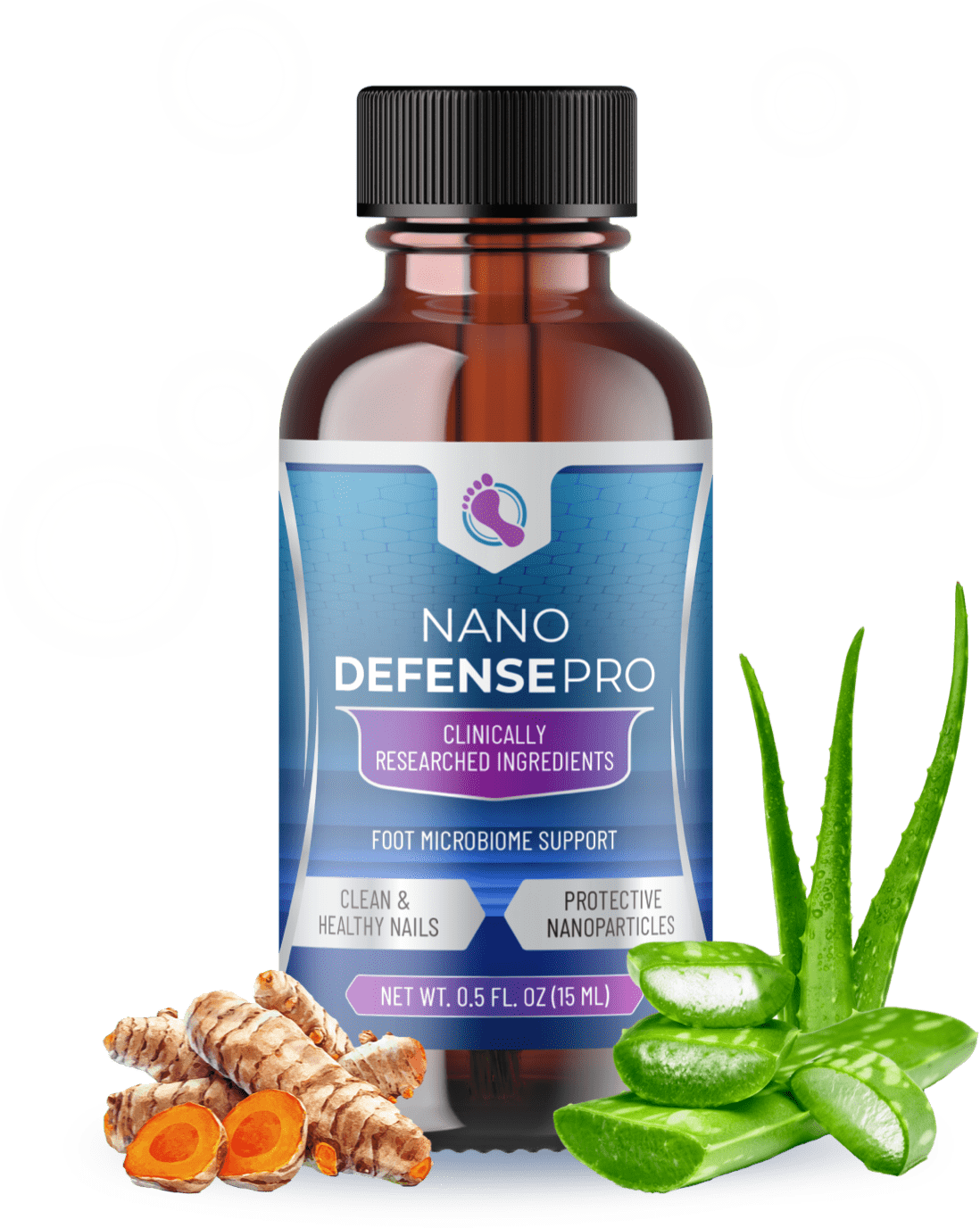
This guide breaks it down with clear psoriasis nails vs fungus pictures, symptoms, and expert tips. For overlapping issues, products like NanoDefense Pro offer nanotechnology-based relief with antifungal protection and nail support.
What Is Nail Psoriasis?
Nail psoriasis is an autoimmune condition where your immune system causes skin cells under the nails to grow too quickly, leading to visible changes. Unlike nail fungus, which is a contagious infection often seen in psoriasis nails vs fungus pictures, nail psoriasis isn’t spreadable and frequently affects multiple fingernails. It impacts up to 50% of people with psoriasis and can signal psoriatic arthritis.
Common Symptoms of Nail Psoriasis
Spotting these signs helps differentiate from fungus:
- Pitting: Tiny dents like a thimble’s surface, often on multiple nails.
- Oil spots: Salmon-pink or yellow-brown patches under the nail.
- Onycholysis: Nail lifting from the bed, showing white edges.
- Discoloration: Red, orange, or white hues; crumbling or thickening.
These often pair with skin psoriasis plaques or joint pain from arthritis.
Visual Guide: Pictures of Nail Psoriasis
In psoriasis nails vs fungus pictures, psoriasis shows uniform pitting, distinct oil-drop spots, and clean lifting without debris. Look for pitted thumbnails, salmon patches on big toes, or scaling around cuticles contrasting fungus’s irregular yellow streaks and crumbly buildup.
Causes and Risk Factors
Triggered by genetics and immune overactivity, rapid cell buildup thickens nails. Family history, stress, or skin psoriasis raise risks. It’s chronic but manageable.
For symptom relief mimicking fungus care, NanoDefense Pro offers nanotechnology-based support with natural ingredients like turmeric and aloe for nail health.
What Is Nail Fungus (Onychomycosis)?
In the debate of psoriasis nails vs fungus pictures, understanding nail fungus medically known as onychomycosis is key to spotting the differences. Unlike nail psoriasis, an autoimmune issue causing rapid cell growth and pitting, onychomycosis is a common fungal infection affecting up to 14% of adults by 2026, per recent dermatology reports. It invades the nail bed via dermatophytes, yeasts, or molds, turning healthy nails brittle and discolored.
Key Symptoms of Nail Fungus
- Thickening and Brittleness: Nails become abnormally thick and prone to crumbling, unlike the uniform oil spots in psoriasis.
- Discoloration: Yellow, white, brown, or even green hues spread irregularly compare to psoriasis’s pinkish salmon patches in psoriasis nails vs fungus pictures.
- Other Signs: Foul odor, debris under the nail, and slow spreading from one toenail.
Visual Guide: Pictures of Nail Fungus
Typical psoriasis nails vs fungus pictures show fungus with deformed, thickened toenails featuring yellow-brown streaks, cracking, and white debris buildup often starting on big toes. Psoriasis nails, by contrast, display more pitting and lifting without the crumbly texture.
Causes and Transmission
Fungus thrives in moist spots like pools, gyms, or showers, making athletes and diabetics prime targets due to poor circulation. It’s highly contagious, spreading via shared surfaces unlike non-contagious psoriasis.
For effective relief from these fungal woes mimicking psoriasis symptoms, NanoDefense Pro uses nanotechnology with natural antimicrobials to penetrate nails and restore health. Users report clearer nails in weeks.
Psoriasis Nails vs Fungus Pictures: Head-to-Head Comparison
Comparison Table: Key Differences
To spot the differences in psoriasis nails vs fungus pictures, check this handy table. It breaks down core symptoms based on clinical insights from dermatologists.
| Symptom/Feature | Nail Psoriasis | Nail Fungus |
|---|---|---|
| Discoloration | Yellow-brown “oil spots,” salmon patches, white from lifting | Yellow, white, brown, green, black streaks |
| Texture | Pitting (tiny holes), ridges | Thickening, brittle, crumbly |
| Lifting (Onycholysis) | Common, uniform separation | Irregular, with debris buildup |
| Odor | None | Foul, musty smell |
| Location | Often multiple fingernails | Usually starts on one toenail |
| Contagiousness | No (autoimmune) | Yes (fungal infection) |
Side-by-Side Picture Analysis
Imagine scrolling through psoriasis nails vs fungus pictures: Psoriasis nails show pinpoint pitting like thimbles and shiny oil-drop spots under the nail plate. Fungus pictures reveal distorted, thickened nails with powdery debris and irregular yellow streaks that spread from the edges. Psoriasis affects nails evenly; fungus looks warped and clumpy.
Overlapping Features to Watch For
Both conditions cause yellowing, thickening, crumbling, and lifting, making self-diagnosis tricky. They can even co-occur, worsening symptoms. If fungus is suspected, products like NanoDefense Pro with its nanotechnology barrier and natural ingredients offer targeted relief by combating fungal growth and supporting nail health.
Risks of Misdiagnosis in Psoriasis Nails vs Fungus
When comparing psoriasis nails vs fungus pictures, the visual similarities can trick even experienced eyes, leading to serious misdiagnosis risks. Both conditions cause yellowing, thickening, crumbling, and nail lifting (onycholysis), making self-diagnosis from online images unreliable. In 2026, with more people turning to AI-enhanced photos for quick answers, these errors are on the rise.
Why Pictures Alone Aren’t Enough
Psoriasis nails often show uniform pitting, oil-drop spots (yellow-pink patches), and affect multiple fingernails, while fungus typically starts on one toenail with irregular streaks and debris. But overlaps are common psoriasis damages the nail bed, creating entry points for fungi, leading to secondary infections. Studies show up to 30% of psoriasis patients develop concurrent onychomycosis, blurring the lines in pictures.
- Symptom overlap examples: Both discolor to yellow/brown and thicken.
- Key pitfall: Psoriasis nails look “fungal” due to lifting and crumbling.
Relying solely on psoriasis nails vs fungus pictures ignores this complexity professional tests like nail clippings or biopsies are essential.
Common Mistakes and Consequences
Treating psoriasis as fungus with over-the-counter antifungals wastes time and money they don’t address the autoimmune root, allowing psoriasis to progress. Conversely, ignoring fungus for “psoriasis” delays eradication, risking spread to other nails or skin.
- Ineffective antifungals on psoriasis: No improvement, frustration builds.
- Delayed psoriasis care: Can worsen to psoriatic arthritis in 20-30% of cases.
For suspected fungus, products like NanoDefense Pro offer nanotechnology-based protection with natural ingredients like turmeric and aloe, targeting infections while supporting nail health. Always consult a doctor first, but try NanoDefense Pro for proactive relief.
Professional Diagnosis Methods Beyond Pictures
While psoriasis nails vs fungus pictures offer valuable visual clues like pitting and oil spots for psoriasis versus crumbly, streaked discoloration for fungus relying solely on images can lead to misdiagnosis. In 2026, dermatologists use precise lab tests to confirm whether it’s autoimmune nail psoriasis or a fungal infection, ensuring targeted treatment.
Dermatologist Tests: KOH, Biopsy, Clipping
Your doctor starts with a simple nail clipping or scraping of debris under the nail. For suspected fungus, a KOH (potassium hydroxide) test dissolves non-fungal cells under a microscope, revealing branching hyphae or spores typical of onychomycosis clearly distinguishing it from psoriasis.
- KOH Prep: Quick, in-office; positive for fungus if fungal elements glow.
- Nail Clipping/Culture: Sample grown in lab (1-3 weeks) to identify specific fungi.
- Biopsy: For psoriasis suspicion, a small nail bed sample shows rapid cell turnover and inflammation, absent in fungal cases.
These tests provide definitive proof beyond photos, ruling out overlaps like yellowing or onycholysis.
When to See a Doctor
Don’t wait if you notice rapid changes across multiple nails (psoriasis flag), pain, swelling, nail bed tenderness, or accompanying skin rashes/psoriatic arthritis symptoms. Fungus often starts on one toenail with odor or athlete’s foot. Persistent issues despite home care warrant a visit early diagnosis prevents spread or joint damage.
While awaiting results, consider supportive options like NanoDefense Pro, a nano-tech formula with natural antimicrobials to protect nails and support microbiome balance during uncertainty.
Treatment Options for Nail Psoriasis and Fungus
Once you’ve used psoriasis nails vs fungus pictures to spot the differences like oil spots in psoriasis or irregular debris in fungus targeted treatments can restore healthy nails. Options vary by condition, but many overlap in managing symptoms such as thickening and discoloration. Always consult a dermatologist for accurate diagnosis and personalized plans, especially in 2026 with advanced biologics available.
Medical Treatments for Each Condition
Nail psoriasis, linked to autoimmune flares, responds to:
- Topical steroids: Corticosteroid creams or injections reduce inflammation and pitting.
- Biologics: Systemic drugs like secukinumab target immune responses, effective for severe cases affecting multiple nails.
Nail fungus (onychomycosis) requires antifungals:
- Topicals: Ciclopirox or amorolfine lacquers penetrate thickened nails.
- Oral medications: Terbinafine or itraconazole for 12 weeks, clearing infections in 70-80% of cases.
These distinguish psoriasis nails vs fungus pictures outcomes: psoriasis may show smoother regrowth, while fungus clears debris gradually.
NanoDefense Pro: Nanotechnology for Symptom Relief
For overlapping symptoms in psoriasis nails vs fungus pictures, NanoDefense Pro offers a topical spray with clinically researched ingredients like turmeric and aloe. Its nanoparticles create protective barriers against fungi while soothing psoriasis-like irritation, reducing discoloration, thickening, and pitting. Users report clearer nails in weeks without prescriptions.
Ready to see results? Learn more about NanoDefense Pro.
Home Care and Hygiene Tips
- Trim nails straight across and file gently to prevent lifting.
- Keep feet dry; use antifungal powders in moist areas.
- Apply moisturizers or NanoDefense Pro daily for barrier support.
- Avoid sharing tools to prevent fungus spread.
Combine these with medical advice for best results in differentiating and treating psoriasis nails vs fungus.
Prevention Strategies to Avoid Nail Issues
Preventing nail problems like those seen in psoriasis nails vs fungus pictures starts with proactive habits. By distinguishing early signs such as psoriasis pitting versus fungal thickening you can stop issues before they worsen. These strategies focus on hygiene and vigilance to keep nails healthy in 2026’s fast-paced world.
Daily Habits for Healthy Nails
Simple routines make a big difference in avoiding both nail psoriasis flare-ups and fungal infections:
- Keep nails dry and clean: Moisture breeds fungus, so dry feet thoroughly after showers or swims common spots where onychomycosis thrives.
- Wear breathable footwear: Opt for shoes with good ventilation to reduce sweat buildup, especially if you frequent pools or gyms.
- Avoid sharing tools: Clippers and files can spread fungus; psoriasis isn’t contagious, but hygiene prevents confusion with infections.
- Trim nails straight across and file gently to minimize trauma that could trigger psoriasis symptoms.
Early Intervention Using Psoriasis Nails vs Fungus Pictures
Visual comparisons from psoriasis nails vs fungus pictures empower self-monitoring. Look for oil spots or uniform pitting (psoriasis) versus irregular yellow streaks and debris (fungus). Catch it early with guides or apps.
For fungus prevention, products like NanoDefense Pro create a nano-barrier with natural ingredients like turmeric and aloe, supporting nail health and microbiome balance. Users report clearer nails without harsh chemicals.
Combine these with doctor visits for personalized advice prevention beats treatment every time.
Mastering Psoriasis Nails vs Fungus Pictures for Better Nail Health
Now that you’ve explored psoriasis nails vs fungus pictures, mastering the differences can transform your nail care routine. Nail psoriasis often shows uniform pitting, salmon-pink “oil spots,” and affects multiple fingernails, stemming from an autoimmune response. In contrast, nail fungus pictures reveal irregular yellow-brown streaks, thickening starting on one toenail, and crumbly debris from fungal invasion contagious and slow-spreading.
Key visual cues in pictures include psoriasis’s white lifting (onycholysis) without odor, versus fungus’s foul smell and green-black hues. Treatments differ too: psoriasis needs systemic meds or topicals, while fungus responds to antifungals. Always recap symptoms like discoloration and crumbling, but spot these distinctions for accurate self-assessment.
| Symptom | Psoriasis Nails | Fungus Nails |
|---|---|---|
| Discoloration | Oil spots, pink/orange | Yellow streaks, green/black |
| Spread | Multiple nails, non-contagious | Single nail start, contagious |
| Pictures Show | Pitting, uniform changes | Thickening, debris |
Consult a dermatologist for proper diagnosis self-treatment risks complications. For mild cases mimicking fungus or psoriasis-like symptoms, NanoDefense Pro offers a nanotechnology topical with protective barriers and natural support for healthier nails.
Proper diagnosis ensures targeted relief, preventing spread and restoring nail health in 2026’s advanced care landscape.
Leave a Reply