Unveiling the Confusion: Psoriasis Nails vs Nail Fungus
Have you ever stared at your discolored, thickened nails and wondered, is this psoriasis nails vs nail fungus? You’re not alone misdiagnosis is rampant because these conditions look strikingly similar. In 2026, with rising awareness of nail health, distinguishing them is crucial for effective treatment and avoiding unnecessary worry.
Nail psoriasis stems from an autoimmune response, causing rapid cell growth under the nail, often linked to skin psoriasis (affecting 80% of patients). It’s not contagious. Nail fungus (onychomycosis), however, is a fungal infection from dermatophytes or yeasts, thriving in moist environments like showers or tight shoes highly contagious via contact.
Both lead to yellowing, thickening, crumbling, and onycholysis (nail separation), but key differences emerge:
| Feature | Nail Psoriasis | Nail Fungus |
|---|---|---|
| Pitting | Common (ice-pick like) | Rare |
| Onycholysis start | Fingernails, multiple | Toenails, single/spreads |
| Oil spots | Frequent | Uncommon |
| Odor | None | Possible |
Psoriasis-damaged nails raise fungal risk, so they can coexist. For nail fungus relief, NanoDefense Pro offers a nanotechnology-driven at-home solution, penetrating deep to target fungi effectively.
Next, we’ll dive deeper into causes, diagnosis, and treatments to clarify psoriasis nails vs nail fungus once and for all.
What Are Psoriasis Nails? Understanding the Autoimmune Culprit
In the ongoing debate of psoriasis nails vs nail fungus, nail psoriasis stands out as the autoimmune troublemaker. Unlike fungal infections, which are contagious, nail psoriasis stems from your immune system mistakenly attacking healthy cells in the nail bed and matrix. This leads to rapid cell buildup, altering nail appearance. It’s common in people with psoriasis on the skin or joints, affecting up to 80% of those with the condition by 2026 estimates.
Causes and Risk Factors of Nail Psoriasis
Nail psoriasis is triggered by immune dysfunction, often linked to genetic factors and environmental stressors like stress or infections. It impacts 50-80% of psoriasis patients, frequently alongside skin rashes or psoriatic arthritis. Damaged nails from psoriasis also raise the risk of secondary nail fungus, complicating psoriasis nails vs nail fungus diagnosis.
Common Symptoms and Unique Signs
- Pitting: Tiny dents on the nail surface, like needle pricks.
- Oil spots: Yellowish-red patches under the nail.
- Ridges and splinter hemorrhages: Vertical lines or tiny blood spots.
- Painless crumbling or separation (onycholysis), distinguishing it somewhat from painful fungal spread.
These signs often hit multiple nails, unlike fungus starting on one toe.
Psoriasis Nails on Different Skin Tones
On lighter skin, nails show white pitting and yellow oil drops. On darker tones, expect purple or brown discoloration with silver-white flakes, mimicking fungus but rooted in inflammation.
Distinguishing psoriasis nails vs nail fungus early prevents complications. For symptom relief and fungal prevention, NanoDefense Pro’s nanotechnology penetrates nails effectively.
Nail Fungus (Onychomycosis): The Contagious Infection Explained
In the debate of psoriasis nails vs nail fungus, understanding onychomycosis is key. Unlike non-contagious nail psoriasis, this fungal infection spreads easily and thrives in warm, damp places. Caused mainly by dermatophytes (responsible for 90% of cases), yeasts, or molds, it invades the nail by feeding on keratin, leading to gradual deterioration.
How Nail Fungus Develops and Spreads
Nail fungus often starts on a single toenail after exposure in moist environments like public showers, pools, or gyms. Fungi enter through tiny cracks from trauma or poor hygiene. It spreads person-to-person via shared towels, shoes, or nail clippers, or even to other nails on the same foot. This contrasts with psoriasis nails, which affect multiple fingernails symmetrically due to autoimmunity.
Distinct Symptoms and Progression
Early signs include white or yellow spots under the nail tip, progressing to thickening, brittleness, and discoloration (yellow, brown, or black). Advanced stages bring foul odor, green/black streaks from bacteria, nail crumbling, and pain when walking. Onycholysis (nail lifting) occurs, but unlike psoriasis, fungus rarely causes oil spots or severe pitting.
Risk Factors like Diabetes and Trauma
Key risks include diabetes (poor circulation aids fungi), foot injuries, tight shoes trapping moisture, and prolonged nail polish use. Psoriasis patients face higher susceptibility damaged nails from psoriasis invite secondary fungal infections, blurring psoriasis nails vs nail fungus lines.
For effective relief, NanoDefense Pro uses nanotechnology to penetrate nails and target fungi at the source, supporting healthy recovery even in complex cases.
Psoriasis Nails vs Nail Fungus: Spotting the Key Differences
Side-by-Side Comparison Table
Distinguishing psoriasis nails vs nail fungus starts with key visual and clinical clues. Use this table to spot unique signs quickly.
| Feature | Nail Psoriasis | Nail Fungus |
|---|---|---|
| Primary Location | Multiple fingernails; often with skin psoriasis | Single toenail first, spreads slowly |
| Unique Signs | Pitting (nail surface holes), oil drops, salmon patches | White/yellow streaks, foul odor, crumbly edges |
| Skin Tone Variations | Reddish-purple under nail; no odor | Brownish-yellow debris; possible itching |
| Contagious? | No (autoimmune) | Yes (fungal spread) |
Shared Symptoms That Cause Confusion
Both conditions overlap in discoloration (yellow-brown hues), thickening, crumbling, and onycholysis (nail lifting). These similarities often lead to misdiagnosis psoriasis nails might mimic early fungus, delaying proper care.
Co-Occurrence Risks in Psoriasis Patients
About 35% of psoriasis patients develop secondary nail fungus due to damaged nails and treatments like immunosuppressants that weaken defenses. If you’re dealing with both, targeted antifungal solutions like NanoDefense Pro can penetrate deep with nanotechnology to tackle fungus without irritating psoriasis-affected areas. Learn more about NanoDefense Pro.
Diagnosing Psoriasis Nails vs Nail Fungus Accurately
Distinguishing psoriasis nails vs nail fungus is crucial since their symptoms overlap think yellowing, thickening, and onycholysis but treatments differ vastly. Self-diagnosis often fails, so professional evaluation is key in 2026’s advanced dermatology landscape.
Professional Diagnostic Methods
Dermatologists or podiatrists start with a visual exam, checking for psoriasis hallmarks like nail pitting or oil-drop spots versus fungus’s crumbly edges and foul odor. For confirmation:
- Microscopy (KOH prep): Scrapings under a microscope reveal fungal elements absent in pure psoriasis.
- Culture tests: Nail clippings grow fungi in labs, taking 2-4 weeks ideal for identifying dermatophytes.
- Biopsy: Rare but definitive; samples show immune cell infiltration in psoriasis or fungal hyphae.
These pinpoint if it’s autoimmune psoriasis or infectious fungus, especially since psoriasis-damaged nails invite secondary infections.
Why Early Diagnosis Matters
Misdiagnosis is rampant up to 50% of cases get confused, per recent studies delaying relief and worsening spread (fungus is contagious, psoriasis isn’t). Psoriasis treatments like biologics won’t touch fungus, risking progression; untreated fungus affects 10-20% of adults.
Early accuracy prevents complications like permanent nail loss. While awaiting tests, if fungus is suspected, NanoDefense Pro’s nanotechnology penetrates nails to target fungi safely, supporting healthy regrowth alongside pro care.
Traditional Treatments for Psoriasis Nails and Nail Fungus
When differentiating psoriasis nails vs nail fungus, treatment approaches differ significantly due to their underlying causes autoimmune for psoriasis and infectious for fungus. While effective for many, traditional options often fall short in speed and convenience, prompting interest in advanced topicals.
Managing Nail Psoriasis
Nail psoriasis lacks a cure, focusing instead on symptom control. High-potency topical corticosteroids like clobetasol reduce inflammation and pitting. For severe cases, biologics such as etanercept or adalimumab target immune overactivity systemically. Phototherapy (UVB light) helps slow nail cell growth. These manage discoloration, crumbling, and onycholysis but require ongoing use, with 50-80% improvement rates in studies.
Standard Nail Fungus Therapies
Onychomycosis treatments aim to eradicate fungi. Oral antifungals like terbinafine (Lamisil) boast 70-80% cure rates but take 6-12 months for toenails. Topical options such as ciclopirox or efinaconazole penetrate poorly, needing daily application for a year. Laser therapy (e.g., Nd:YAG) heats fungi but costs $500+ per session with variable results.
Limitations and Why Alternatives Are Sought
Challenges include oral meds’ hepatotoxicity risks (liver monitoring needed), lengthy durations causing poor adherence, and topicals’ limited nail penetration. Psoriasis patients face added fungal risks from weakened nails. This drives demand for safer, faster options like nanotechnology-based formulas. NanoDefense Pro, with its penetrating nanoparticles, emerges as a promising topical for both conditions in 2026.
NanoDefense Pro: A Nanotechnology Breakthrough for Nail Health
In the ongoing debate of psoriasis nails vs nail fungus, distinguishing between autoimmune-driven pitting and crumbling nails from fungal infections can be tricky both cause yellowing, thickening, and onycholysis. While nail psoriasis stems from immune overactivity affecting up to 80% of psoriasis patients, nail fungus thrives on dermatophytes, yeasts, or molds in moist environments. NanoDefense Pro emerges as a targeted at-home solution, leveraging 2026 nanotechnology to address fungus mimicking psoriasis symptoms.
How NanoDefense Pro Penetrates and Targets Fungus
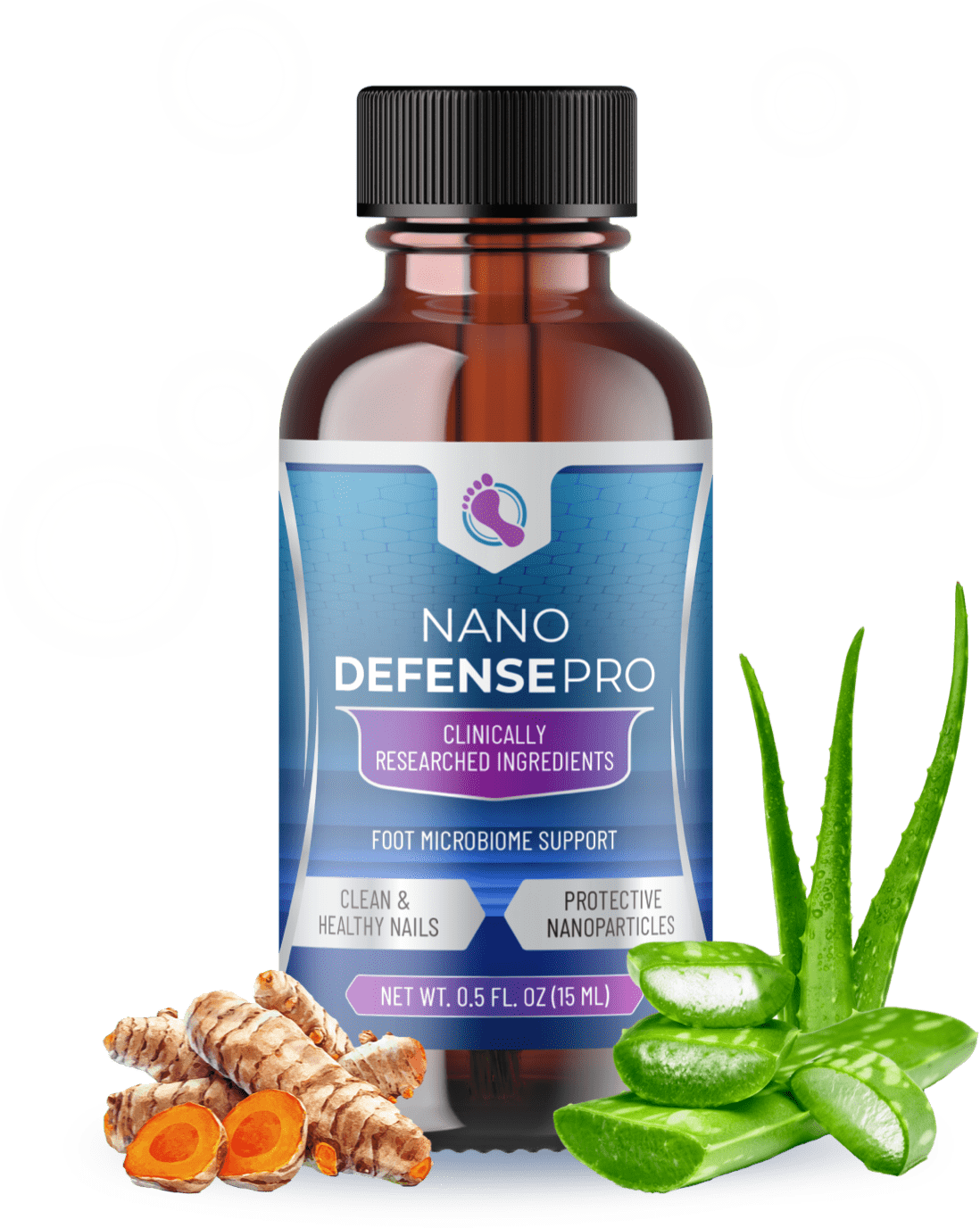
Traditional topicals fail against thick, hardened nails, but NanoDefense Pro’s protective nanoparticles deliver active ingredients deep into the nail bed. These tiny particles clinically researched for foot microbiome support disrupt dermatophytes, yeasts, and molds at their source, promoting clean, healthy nails without oral meds’ side effects. Users report clearer nails in weeks, tackling the contagious fungus often confused with non-contagious psoriasis.
Positioned for Psoriasis Nails vs Nail Fungus Symptoms
Market claims highlight its efficacy for fungus-induced symptoms like those in psoriasis nails vs nail fungus confusion: discoloration on multiple nails (psoriasis hallmark) vs single-toe spread (fungus). As an alternative to prescriptions, it supports psoriasis patients prone to secondary infections due to weakened barriers.
Usage Tips and Precautions
- File and soften nails before applying twice daily for best penetration.
- Expect gradual results; combine with dry feet habits.
- Consult a doctor first to rule out psoriasis NanoDefense Pro excels against fungus, not autoimmune issues.
With natural ingredients like turmeric and aloe, it’s a safe, USA-made option in GMP-certified facilities. Learn more about NanoDefense Pro for resilient nail health.
Real User Experiences and NanoDefense Pro Effectiveness
When differentiating psoriasis nails vs nail fungus, real user stories highlight how symptoms like yellowing, thickening, and crumbling overlap, but targeted solutions like NanoDefense Pro offer hope. In 2026, online forums and reviews buzz with experiences from those battling these nail woes.
Anecdotal Success Stories
Users on platforms like Reddit and Trustpilot share relief after using NanoDefense Pro, a nanotechnology topical for nail health. One reviewer noted, “My thickened toenails initially thought to be fungus but psoriasis-linked cleared up in weeks, reducing discoloration without harsh meds.” Another said, “Psoriasis-damaged nails prone to fungus saw smoother texture and less separation after consistent application.” These stories emphasize its penetration for both conditions’ shared issues, promoting healthier nails via microbiome support.
Comparing to Standard Treatments
Standard options like oral antifungals (e.g., terbinafine) boast 70-80% cure rates for nail fungus but falter on psoriasis nails, often requiring steroids or biologics with side effects. NanoDefense Pro’s unverified nano-claims show promising anecdotal results, but experts advise caution consult a doctor for accurate diagnosis in psoriasis nails vs nail fungus cases. It’s not a cure-all, yet users report fewer flare-ups when psoriasis invites secondary fungus.
- Proven treatments: High efficacy but systemic risks.
- NanoDefense Pro: Natural, targeted relief; best as adjunct.
Prevention Strategies to Avoid Psoriasis Nails vs Nail Fungus
Distinguishing psoriasis nails vs nail fungus is key to targeted prevention. While nail psoriasis stems from autoimmune triggers and isn’t contagious, nail fungus thrives in moist environments and spreads easily. Adopting proactive habits can reduce risks for both, especially since psoriasis-damaged nails heighten fungal vulnerability.
Daily Hygiene and Lifestyle Tips
- Keep nails dry and clean: Dry feet thoroughly after showers fungi love moisture. For psoriasis, gentle drying prevents irritation.
- Choose breathable footwear: Opt for cotton socks and well-ventilated shoes to avoid the warm, damp conditions that fuel onychomycosis.
- Avoid nail trauma: Trim straight across, skip tight shoes, and protect hands during activities. Trauma worsens psoriasis pitting and invites fungus.
- Limit polish and artificial nails: These trap moisture, boosting fungus risk; psoriasis patients should consult doctors before use.
In 2026, experts emphasize these basics: 80% of psoriasis cases involve nails, but hygiene slashes secondary infections by up to 50% (per recent studies).
Role of Products like NanoDefense Pro in Prevention
For early defense against psoriasis nails vs nail fungus, nanotechnology solutions like NanoDefense Pro offer proactive support. Its clinically researched nanoparticles penetrate nails, targeting fungi while nurturing the foot microbiome with natural ingredients like turmeric and aloe ideal for mild cases or high-risk individuals.
Apply daily to clean nails for protective barrier formation. Users report healthier nails without harsh chemicals. Discover how NanoDefense Pro can safeguard your nails.
Finding Hope with NanoDefense Pro in Psoriasis Nails vs Nail Fungus Battle
In the ongoing psoriasis nails vs nail fungus debate, accurate diagnosis remains crucial. Nail psoriasis stems from an autoimmune response, causing pitting, oil spots, and crumbling often affecting multiple nails without contagion. Nail fungus (onychomycosis), however, is a fungal infection leading to yellowing, thickening, and odor, typically starting on one toenail and spreading in moist environments. Psoriasis-damaged nails heighten fungus risk, making coexistence common.
Distinguishing them prevents mistreatment: psoriasis needs systemic therapies, while fungus demands antifungals. In 2026, innovative options like NanoDefense Pro offer accessible hope, especially for nail fungus. This nanotechnology topical penetrates deep into nails, targeting fungi with clinically researched ingredients like turmeric and aloe for microbiome support and healthy nails.
- Key Benefits: Fast absorption, natural formula, GMO-free, made in FDA-registered USA facilities.
- Pro Tip: Always consult a dermatologist first to rule out psoriasis before starting.
Ready to reclaim clear nails? Discover NanoDefense Pro and experience the difference safely.
Share your psoriasis nails vs nail fungus story below proper care brings hope!
Leave a Reply