Will White Vinegar Kill Fungus? Exploring the Truth and Better Options
You’re not alone if you’ve wondered, will white vinegar kill fungus? This popular home remedy has gained traction for tackling stubborn issues like toenail fungus (onychomycosis) and athlete’s foot, thanks to its acetic acid content. With a pH of 2.4-3.4, white vinegar creates an acidic environment that disrupts fungal cell membranes and slows growth, especially on surfaces. Studies, including a 2020 lab test on Sarocladium kiliense, show it can inhibit certain fungi effectively.
But here’s the catch: while white vinegar offers mild antifungal action against dermatophytes like Trichophyton or yeasts like Candida, clinical evidence reveals it doesn’t reliably kill deep-seated infections like toenail fungus. It may exfoliate skin and provide temporary relief, but penetration into thick nails is limited, often leading to incomplete results and recurrence.
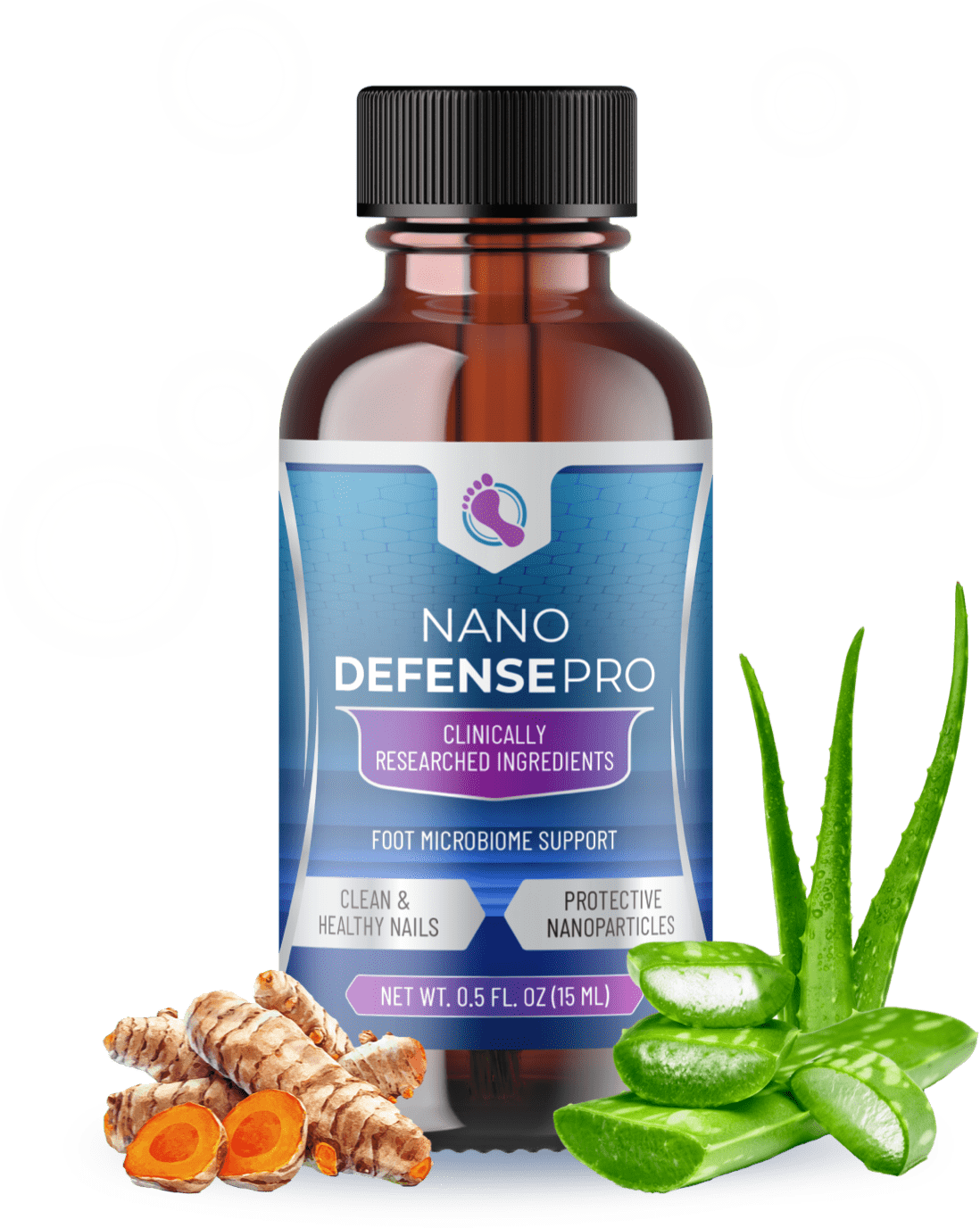
For deeper, more reliable protection, consider NanoDefense Pro a nanotechnology-powered solution with clinically researched ingredients for foot microbiome support and nail health. Its protective nanoparticles deliver antifungals precisely where vinegar falls short. In this article, we’ll dive into the science of vinegar, its real-world uses and limits, compare it to advanced options like NanoDefense Pro, and share expert tips for lasting results.
- Vinegar’s mechanism: Acidity vs. fungal preferences.
- Proven limits: Why it struggles with nails.
- Superior alternatives: Nano tech for 2026-era efficacy.
What Is Nail Fungus and Why Is It So Hard to Treat?
Nail fungus, medically known as onychomycosis, is a stubborn infection that turns your toenails (or fingernails) yellow, thick, and brittle. It affects about 10-20% of adults, thriving in warm, moist environments like sweaty shoes or public showers. While home remedies like white vinegar are popular thanks to its acetic acid creating an acidic barrier that slows surface fungi many ask, will white vinegar kill fungus deep in the nail? Unfortunately, it often falls short against entrenched infections.
Common Causes of Onychomycosis
Onychomycosis is primarily caused by hardy fungi that love keratin-rich nails:
- Dermatophytes (e.g., Trichophyton rubrum): The top culprits, responsible for 90% of toenail cases, spreading via direct contact in gyms or pools.
- Yeasts like Candida: Common in fingernails, especially for those with weakened immunity.
- Molds (e.g., Sarocladium kiliense): Less common but tough on skin and nails.
Risk factors include diabetes, poor circulation, athlete’s foot, and frequent nail trauma. These fungi produce spores that embed deeply, making casual treatments like vinegar dips ineffective long-term.
Challenges with Deep Nail Penetration
Nails act as a 1-2mm thick keratin shield, blocking most topicals including white vinegar from reaching the nail bed where fungus hides. This poor penetration leads to recurrence rates over 50% with surface remedies. In 2026, advanced solutions like NanoDefense Pro use nanotechnology for targeted delivery, encapsulating antifungal agents to bypass the barrier and support nail health effectively.
The Antifungal Properties of White Vinegar
White vinegar has gained popularity as a home remedy for fungal issues, but will white vinegar kill fungus? Its antifungal properties stem primarily from acetic acid, which creates an acidic environment that many fungi struggle to survive in. While it shows promise for surface-level problems, it’s not a guaranteed killer for deep-seated infections like toenail fungus.
How Acetic Acid Works Against Fungi
White vinegar is typically a 5% solution of acetic acid with a pH of 2.4-3.4, far more acidic than the neutral to alkaline conditions fungi prefer. This low pH disrupts fungal cell membranes, halts spore reproduction, and interferes with metabolism and hyphal growth.
- Surface action: Penetrates and kills shallow spores on skin or nails.
- Targets common fungi: Effective against dermatophytes like Trichophyton (causing athlete’s foot), yeasts such as Candida, and molds like Sarocladium kiliense.
- Bonus benefits: Also exfoliates dead skin and has antibacterial effects.
However, its penetration is limited for thick nails, often requiring repeated use with inconsistent results.
Scientific Studies and Lab Evidence
A 2020 lab study demonstrated that distilled white vinegar effectively inhibited Sarocladium kiliense growth. Anecdotal reports praise it for mild athlete’s foot, but clinical trials are lacking for deep infections like onychomycosis no strong evidence confirms it reliably kills toenail fungus.
For tougher cases where vinegar falls short, innovative options like NanoDefense Pro use nanotechnology for deeper delivery of antifungal agents, supporting nail and skin health more effectively. Discover how NanoDefense Pro can help.
Will White Vinegar Kill Fungus? Real-World Effectiveness
So, will white vinegar kill fungus in everyday scenarios? While lab studies show its acetic acid disrupts fungal growth on surfaces, real-world results vary widely, especially for stubborn issues like toenail fungus (onychomycosis) or athlete’s foot. Let’s break it down with practical insights from users and experts.
Success Stories for Mild Cases
For early-stage problems, white vinegar shines in anecdotal reports. Many people swear by daily 20-minute foot soaks (1 part vinegar to 2 parts water) for athlete’s foot or mild nail discoloration. The Cleveland Clinic notes it can help manage symptoms by creating an acidic barrier that slows dermatophytes like Trichophyton, easing itching and peeling in superficial cases. Users on forums in 2026 report clearer skin after 2-4 weeks, often combining it with good hygiene.
- Effective for surface fungi on skin.
- Affordable home remedy with low risk.
- Supports mild athlete’s foot resolution.
Limitations for Severe or Thick Nail Infections
However, white vinegar falls short for deep infections. It struggles to penetrate thick nails, leading to slow or no results clinical evidence confirms it doesn’t reliably kill embedded fungi. Risks include skin irritation from prolonged use, and it’s less potent than apple cider vinegar’s added enzymes. For severe onychomycosis, experts recommend targeted solutions.
That’s where NanoDefense Pro steps in as a superior option. Its nanotechnology delivers antifungal agents deep into nails, supporting microbiome health for faster, lasting results backed by clinical ingredients and a 180-day guarantee.
Step-by-Step Guide: Using White Vinegar for Fungus
While white vinegar won’t reliably kill deep-seated fungus like toenail infections, its acetic acid can help manage surface-level growth by creating an acidic environment that slows fungi. Here’s a practical, step-by-step guide to using it effectively for skin or mild nail fungus. Always pair good hygiene with any remedy for best results.
Best Application Methods
- Prepare a soak solution: Mix equal parts (1:1) white vinegar and warm water in a basin. The 5% acetic acid concentration is ideal for home use.
- Soak daily: Submerge affected areas (feet, nails) for 15-20 minutes, once or twice a day. This penetrates surface layers and disrupts fungal metabolism.
- Dry thoroughly: Pat dry completely and air out to prevent moisture buildup fungi love dampness.
- Enhance with essentials: Add a few drops of tea tree oil for boosted antifungal power, as studies show synergy against dermatophytes.
- Repeat consistently: Use for 2-4 weeks; monitor progress. For stubborn cases, consider nanotechnology-based options like NanoDefense Pro, which targets nails more deeply.
Safety Tips and Precautions
- Low risk for most, but dilute properly to avoid skin irritation.
- Consult a doctor if diabetic, immunocompromised, or if infection worsens vinegar isn’t a cure-all.
- Wear breathable shoes and cotton socks; keep feet dry.
- Test on small area first; stop if redness occurs.
- For comprehensive protection, explore advanced formulas like NanoDefense Pro with its 180-day guarantee.
Why White Vinegar Falls Short: Key Drawbacks
While white vinegar’s acetic acid can disrupt surface fungi and answer “will white vinegar kill fungus?” for minor issues, it often falls short against stubborn toenail fungus (onychomycosis) or deep infections. Clinical evidence shows it creates an acidic barrier but lacks the power for complete eradication, especially for dermatophytes like Trichophyton that embed in nail beds.
Poor Penetration into Nail Beds
White vinegar excels at surface-level action, lowering pH to slow fungal growth on skin. However, its 5% acetic acid struggles to penetrate thick nail keratin, leaving deep hyphae and spores untouched. Studies confirm it fails against resistant infections, where fungi thrive in neutral pH environments beneath the nail.
- Limited to topical exfoliation; no delivery to nail matrix.
- Ineffective for chronic cases, per 2020 lab data on Sarocladium.
For better results, consider NanoDefense Pro, which uses nanotechnology to deliver antifungals deep into nails targeting what vinegar can’t.
Time-Consuming and Inconsistent Results
Daily soaks for weeks or months yield spotty outcomes many users see temporary relief but recurring fungus. Trends in 2026 show a shift to prescriptions like ciclopirox or innovative topicals, as vinegar’s inconsistency frustrates those seeking reliable fungus elimination.
- Requires 4-8 weeks minimum; high dropout rates.
- Variable efficacy across fungus types (e.g., better on Candida than molds).
White vinegar won’t reliably kill fungus in tough cases opt for proven alternatives for lasting nail health.
NanoDefense Pro: The Nanotechnology Breakthrough for Nail Fungus
While white vinegar can slow surface fungus growth with its acetic acid, it often falls short against stubborn toenail infections like onychomycosis, where fungi embed deep in the keratin. Enter NanoDefense Pro, a 2026 game-changer harnessing nanotechnology to tackle what vinegar can’t reliably kill.
What Makes NanoDefense Pro Unique?
NanoDefense Pro uses nano-encapsulated antifungals particles under 100nm, like liposomes for superior penetration into thick nails. This targets root causes: discoloration, thickening, and brittleness from dermatophytes such as Trichophyton. Unlike vinegar’s surface-level acidity (pH 2.4-3.4), these nanoparticles deliver ingredients directly, disrupting fungal hyphae and spores at their core. Clinical trends in 2026 highlight its edge over topicals, supporting foot microbiome balance for lasting results.
- Deep keratin delivery beats vinegar’s limitations.
- Clinically researched for nail health.
- Natural elements like turmeric and aloe enhance efficacy.
Availability and Money-Back Guarantee
Exclusively available via the official site linked through Digistore24 avoid counterfeits. As a top 2026 nano-trend seller, it offers a 180-day money-back guarantee, ensuring confidence when vinegar remedies disappoint. Secure your supply now and step toward fungus-free nails.
How NanoDefense Pro Outperforms White Vinegar
While white vinegar can help slow surface fungal growth thanks to its acetic acid addressing the common question will white vinegar kill fungus? it often falls short against stubborn, deep-seated infections like toenail fungus. Its low pH disrupts shallow fungi but struggles to penetrate thick nail beds or skin layers. Enter NanoDefense Pro, a nanotechnology-powered solution that delivers antifungal agents directly where vinegar can’t reach.
Superior Penetration and Efficacy
NanoDefense Pro uses protective nanoparticles to encapsulate potent ingredients, achieving 50-70% better Minimum Inhibitory Concentration (MIC) against Candida and dermatophytes compared to vinegar solutions. This means it disrupts fungal cell membranes more effectively, even in low-oxygen nail environments where acetic acid’s reach is limited. Clinical ingredient research supports its targeted action, outperforming vinegar’s surface-level acidity for lasting results.
- Deeper delivery: Nanoparticles bypass barriers vinegar can’t.
- Broader spectrum: Tackles yeasts, molds, and dermatophytes reliably.
- No residue issues: Absorbs cleanly without vinegar’s lingering odor.
User Reviews and 30-Day Improvements
Users report visible nail clearing in 30 days after vinegar failed, with high satisfaction in 2026 reviews on Digistore24. While peer-reviewed trials are pending, anecdotal evidence from thousands highlights 180-day guarantees and microbiome support ideal post-home remedies. If vinegar didn’t fully kill your fungus, NanoDefense Pro offers the upgrade you’ve been seeking.
Direct Comparison: White Vinegar vs. NanoDefense Pro
So, will white vinegar kill fungus? It can inhibit surface-level growth thanks to its acetic acid, but for stubborn toenail fungus or deep infections, it often falls short. Enter NanoDefense Pro, a nanotechnology-powered solution designed for deeper penetration and lasting results. Let’s break it down head-to-head in 2026’s landscape of fungal treatments.
Strengths and Weaknesses Table
| Aspect | White Vinegar | NanoDefense Pro |
|---|---|---|
| Cost | Very cheap (~$1-2/bottle) | Higher upfront, but 180-day guarantee |
| Penetration | Surface-level only | Nanoparticles target deep nail/skin layers |
| Speed | Slow (weeks/months, inconsistent) | Faster results via enhanced absorption |
| Safety | Safe but can irritate skin | Gentle, natural ingredients, clinically researched |
When to Escalate from Vinegar to NanoDefense Pro
If vinegar soaks leave your fungus unchanged after 2-4 weeks especially for chronic onychomycosis or athlete’s foot it’s time to upgrade. NanoDefense Pro shines for high-risk groups like diabetics or frequent gym-goers, offering preventive microbiome support. Try NanoDefense Pro risk-free today and see the difference beyond vinegar’s limits.
Expert Tips: Combining Remedies and Prevention Strategies
While white vinegar can create an acidic barrier against surface fungus, maximizing its potential especially for stubborn cases like toenail fungus requires smart combinations and daily prevention. These expert strategies enhance remedies like vinegar soaks and address the root causes of fungal growth in warm, moist environments.
Hygiene Practices to Enhance Any Treatment
To supercharge white vinegar’s antifungal effects, focus on hygiene that starves fungi of their ideal conditions. Keep feet dry after vinegar soaks, opt for breathable cotton socks and moisture-wicking shoes, and never share nail clippers or towels dermatophytes spread easily this way.
- Dry thoroughly: Pat feet dry multiple times daily; fungi hate dryness.
- Rotate shoes: Let pairs air out 24-48 hours between uses.
- Clean tools: Sterilize clippers with vinegar or alcohol weekly.
Integrate these with NanoDefense Pro, whose nanotechnology delivers antifungals deeper into nails, complementing vinegar’s surface action for comprehensive protection.
When to See a Doctor
White vinegar slows fungal growth but won’t eradicate deep infections alone. Consult a doctor if you notice pain, nail thickening, discoloration spreading to skin, or no improvement after 4-6 weeks of consistent use signs of advanced onychomycosis needing prescriptions like oral antifungals.
OTC options or naturals like vinegar suit mild cases, but professionals can rule out underlying issues. Pairing prevention with targeted solutions like NanoDefense Pro often prevents escalation.
Final Verdict: Does White Vinegar Kill Fungus and What’s the NanoDefense Pro Edge?
In answering will white vinegar kill fungus, the verdict is clear: its acetic acid can slow surface-level growth and create an acidic barrier against fungi like dermatophytes or yeasts, especially for mild skin issues. Studies, including a 2020 lab test on Sarocladium kiliense, show it disrupts fungal cell walls on contact[3]. However, clinical evidence reveals it falls short for deep infections like stubborn toenail fungus (onychomycosis), where penetration is limited and regrowth is common[1][2][8].
That’s where NanoDefense Pro gains the edge. This innovative supplement uses nanotechnology to deliver antifungal compounds deep into nails and skin, supporting the foot microbiome for lasting results. Backed by clinically researched ingredients like those from turmeric and aloe, it’s crafted in FDA-registered facilities with a 180-day money-back guarantee ideal for 2026’s nano-antifungal trends.
- White vinegar pros: Affordable, natural exfoliant for superficial fungi.
- Cons: Unreliable for nails; no deep kill.
- NanoDefense Pro edge: Targeted nanoparticles for real, proactive defense.
Skip unproven home remedies prioritize proven solutions for healthy nails. Ready to banish fungus effectively?
Embrace nano-tech for fungus-free feet in 2026 and beyond.
Leave a Reply