Toenail Fungus: A Common Problem and the Baking Soda Buzz
Imagine slipping off your shoes after a long day, only to reveal discolored, thickened toenails that embarrass you at the beach or pool. Toenail fungus, or onychomycosis, affects over 10% of the global population millions worldwide struggle with this stubborn infection that turns nails yellow, brittle, and crumbly. In 2026, it’s still a top foot health concern, spreading easily in warm, moist environments like gyms or showers.
Enter the baking soda hype: social media buzzes with claims that this kitchen staple kills toenail fungus overnight. But does baking soda kill toenail fungus? Spoiler: no, it doesn’t eradicate the fungus. Instead, it’s a fungistatic agent it stops growth by absorbing moisture and neutralizing pH, creating an inhospitable environment for fungi like dermatophytes.
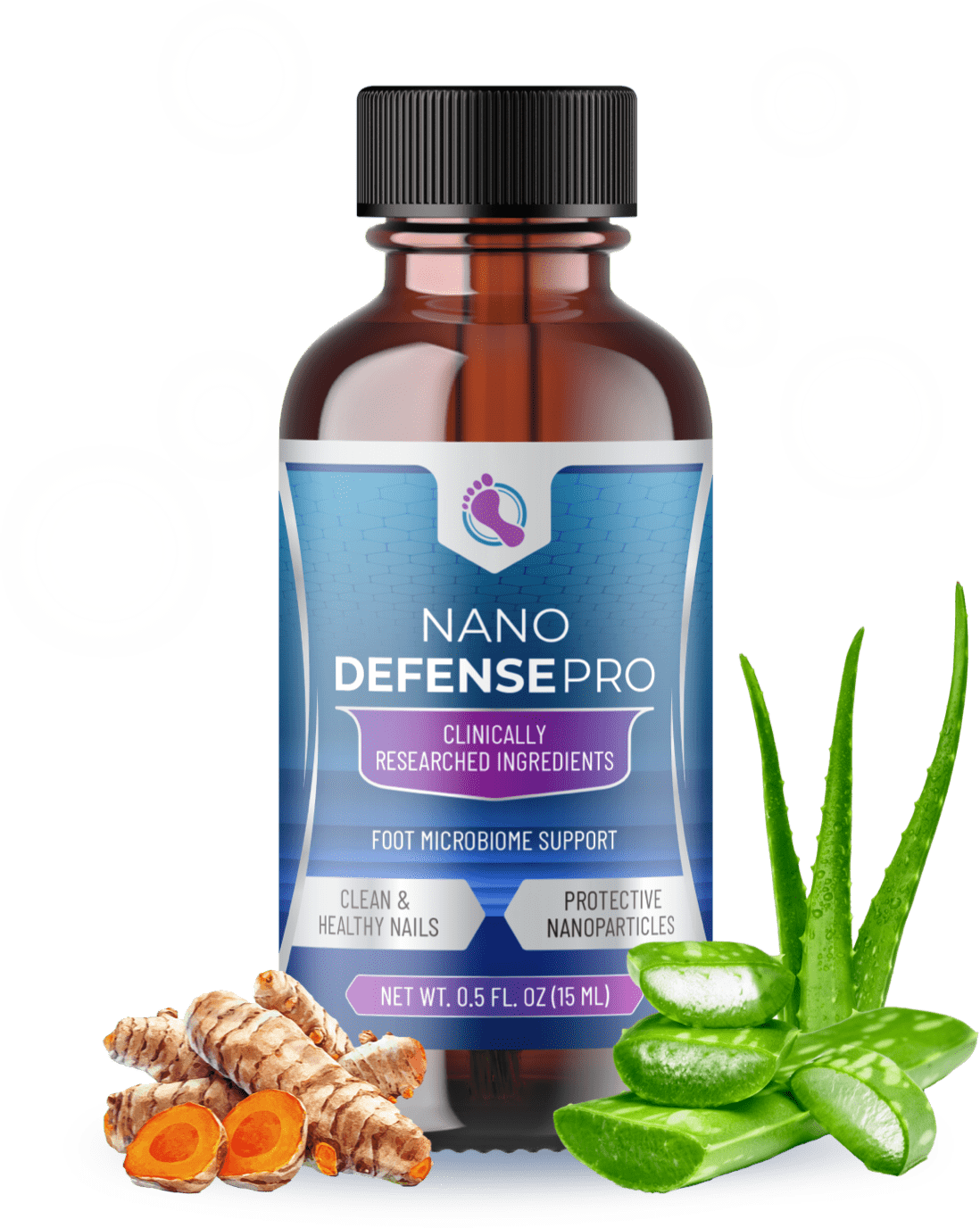
We’ll dive into the science, application tips, limitations, and why home remedies like baking soda fall short for deep infections. Backed by studies showing it halts growth in 79% of cases but lacks curative power, this article reveals evidence-based truths. For real results, explore advanced options like NanoDefense Pro, with clinically researched nanoparticles supporting nail health and microbiome balance.
What Is Toenail Fungus and Why Is It So Stubborn?
Toenail fungus, or onychomycosis, affects millions worldwide, turning healthy nails into a crumbly nightmare. If you’re searching “does baking soda kill toenail fungus,” you’re not alone but first, let’s break down this stubborn infection to see why simple remedies fall short.
Symptoms and Causes of Onychomycosis
Onychomycosis is caused by dermatophyte fungi like Trichophyton rubrum, thriving in warm, moist environments such as locker rooms, pools, or sweaty shoes. It starts small but spreads fast.
- Discoloration: Nails turn yellow, white, or brown.
- Thickening: Nails become brittle and distorted, lifting from the bed.
- Other signs: Crumbling edges, foul odor, pain, or separation from the nail bed.
Risk factors include age, diabetes, poor circulation, and nail trauma, making it contagious and persistent.
Why Traditional Treatments Often Fail
The nail’s keratin barrier blocks penetration, letting fungi hide deep underneath. Topical creams struggle to reach it, with recurrence rates up to 50%. Oral meds work but carry liver risks and require months.
Baking soda doesn’t kill toenail fungus outright it’s fungistatic, absorbing moisture and altering pH to slow growth, but it can’t eradicate embedded infections. Studies show it halts spread in lab tests but fails advanced cases.
For deeper action, products like NanoDefense Pro use protective nanoparticles and microbiome-supporting ingredients to penetrate and restore nail health effectively.
How Does Baking Soda Work Against Fungus?
Many wonder, does baking soda kill toenail fungus? The short answer is no it doesn’t eradicate the fungus like a fungicide would. Instead, baking soda acts as a fungistatic agent, inhibiting growth and preventing spread by altering the nail’s environment. This makes it useful for early prevention but not a cure for established infections.
Fungistatic vs. Fungicidal: Key Differences
Understanding the distinction is crucial. Fungicidal agents kill fungi outright, targeting their cell walls or metabolism. Baking soda, however, is fungistatic it stops reproduction without destroying existing fungi. Here’s how they compare:
- Fungistatic (Baking Soda): Absorbs excess moisture from the nail bed, starving fungi of the damp conditions they crave.
- Fungicidal: Directly eliminates fungi, ideal for severe cases like onychomycosis.
This preventive role explains why baking soda helps manage symptoms but won’t fully resolve toenail fungus.
Scientific Mechanisms Behind Baking Soda’s Effects
Baking soda’s power comes from two key actions:
- Moisture Absorption: Its porous structure draws out water, drying the area where dermatophytes thrive.
- pH Neutralization: Raises pH to an alkaline level (around 8-9), unfavorable for acid-loving fungi.
A 2026 lab study showed baking soda halted fungal growth in 79% of toenail samples over 7 days, with 17% reduction in others. Promising for prevention, but limited for killing infections.
For stronger fungus-killing action, consider NanoDefense Pro, with clinically researched nanoparticles that target and eliminate toenail fungus at the source.
Does Baking Soda Kill Toenail Fungus? Examining the Evidence
Many wonder, does baking soda kill toenail fungus? The short answer is no it doesn’t eradicate the fungus but acts as a fungistatic agent, halting growth by absorbing moisture and creating an alkaline environment unfavorable to fungi like dermatophytes. This distinction is key for realistic expectations in treating onychomycosis.
In Vitro Studies and Lab Results
Lab research provides some insight. A small study applied baking soda to infected nail samples over 7 days, showing it stopped fungal growth in 79% of cases and reduced it in 17%.[1][3] These in vitro results highlight its preventive power through pH neutralization and moisture control, but they don’t prove it kills existing fungi.
- Moisture absorption: Dries out the nail bed, starving fungi.
- pH shift: Raises alkalinity, inhibiting proliferation.
Real-World Effectiveness and Limitations
Despite lab promise, real-world evidence is limited. No large clinical trials confirm baking soda cures established toenail fungus infections experts emphasize it’s best for prevention, not treatment.[4] Advanced cases often persist, and overuse may irritate skin.
For those seeking a proven solution that targets and eliminates fungus, consider NanoDefense Pro. With clinically researched nanoparticles and natural ingredients like turmeric and aloe, it supports foot microbiome health and promotes clean, healthy nails far beyond baking soda’s preventive role. Discover how NanoDefense Pro can restore your nails.
Step-by-Step Guide: How to Use Baking Soda for Toenail Fungus
While baking soda does not kill toenail fungus outright acting instead as a fungistatic agent to prevent growth it’s a simple home remedy worth trying for mild cases. It absorbs moisture and balances pH, creating an unfavorable environment for fungi. Follow these steps consistently, but remember, for stubborn infections, advanced options like NanoDefense Pro offer targeted nail protection with clinically researched ingredients.
Baking Soda Paste Application
- Mix 3 tablespoons of baking soda with water to form a thick paste.
- Trim and file the affected nail to remove debris, then apply the paste directly.
- Let it sit for 10-15 minutes, then rinse with warm water and pat dry thoroughly.
- Repeat 3-4 times daily. Tip: Add a drop of tea tree oil for extra antifungal support.
A study showed this method stopped fungal growth in 79% of nail samples after 7 days.
Soaks and Powder Methods
- Foot Soak: Dissolve ½ cup baking soda in warm water with ¼ cup Epsom salt or apple cider vinegar. Soak for 20 minutes daily.
- Hydrogen Peroxide Boost: Combine 2 tbsp baking soda, 1 cup water, and 2 tbsp 3% H2O2; soak 15 minutes.
- Powder Trick: Sprinkle baking soda in shoes and socks nightly to control moisture and prevent spread.
Expected Timeline and Consistency Tips
Results take 6+ months for visible improvement in mild cases nails grow slowly. Pair with daily hygiene: keep feet dry, wear breathable shoes, and avoid sharing clippers. For faster, reliable relief from existing fungus, try NanoDefense Pro, with its microbiome-supporting nanoparticles.
Potential Side Effects and When Baking Soda Falls Short
While baking soda offers some preventive benefits against toenail fungus by curbing growth, it doesn’t actually kill the fungus and it comes with potential downsides. Understanding these limitations is key if you’re wondering, “does baking soda kill toenail fungus?” Let’s break it down.
Common Irritations and Risks
Baking soda’s drying properties, great for moisture control, can backfire on your skin:
- Dryness and cracking: Excessive absorption may leave surrounding skin parched, leading to discomfort or fissures.
- Skin irritation: The alkaline pH can cause redness, itching, or burning, especially on sensitive areas.
- Not for advanced cases: It won’t penetrate thick, established infections, potentially worsening symptoms if overused.
Avoid open wounds or broken skin, and always rinse thoroughly to minimize risks.
Signs It’s Not Working and When to See a Doctor
If baking soda isn’t delivering after consistent use, watch for these red flags:
- No color improvement or thickening reduction in 2-4 weeks.
- Increased pain, odor, or spreading to other nails.
- Persistent brittleness despite daily pastes or soaks.
Consult a doctor promptly for lab-confirmed diagnosis onychomycosis often needs stronger intervention. For a more effective option that supports nail health and fights fungus at the source, consider NanoDefense Pro, with clinically researched ingredients for clean, protected nails.
Baking Soda vs. Other Popular Remedies: A Comparison
While baking soda does not kill toenail fungus outright acting mainly as a fungistatic agent to prevent growth how does it stack up against other popular remedies? Let’s break it down with real data from studies up to 2026, focusing on effectiveness for onychomycosis.
Tea Tree Oil, Vicks VapoRub, and Home Alternatives
Home remedies like tea tree oil and Vicks VapoRub show modest results for mild cases, outperforming baking soda in cure rates. A 2023 study reported Vicks VapoRub achieving a 27.8% full cure rate after 48 weeks, thanks to its antifungal ingredients like camphor and eucalyptus oil. Tea tree oil fared better for early-stage infections, with up to 60% improvement in mild cases due to its direct antifungal properties unlike baking soda’s preventive moisture absorption.
- Baking soda: Stops growth in ~79% of lab samples but no cures for existing infections.
- Tea tree oil: Superior for mild toenail fungus; apply diluted daily.
- Vicks: 27.8% cure rate; easy to use but slow.
These alternatives edge out baking soda but still fall short for moderate to severe cases.
Medical Options: Lasers, Oral Meds, and Topicals
Prescription treatments crush home remedies. Laser therapy boasts 70-80% success rates in clearing fungus within months, targeting roots baking soda can’t reach. Oral terbinafine (Lamisil) cures 38-76% in 6-12 weeks, while topicals like ciclopirox hit 29-36%. Baking soda? Zero evidence for killing established fungus.
- Laser: 70-80% effective, non-invasive.
- Terbinafine: Fastest oral option, but liver monitoring needed.
- Topicals: Safer but slower than orals.
For reliable results beyond baking soda’s limits, advanced options like NanoDefense Pro with clinically researched nanoparticles for deep penetration and foot microbiome support offer a natural yet potent alternative. Users report clearer nails faster without prescriptions.
Discover NanoDefense Pro: A Superior Alternative to Baking Soda
While baking soda does not kill toenail fungus acting mainly as a fungistatic agent to prevent growth by absorbing moisture and balancing pH many seek stronger solutions for stubborn infections. Enter NanoDefense Pro, a cutting-edge 2026 formula designed specifically for onychomycosis, offering deeper, more effective relief than home remedies like baking soda pastes.
What Makes NanoDefense Pro Different?
NanoDefense Pro leverages advanced nanotechnology for superior penetration into the nail bed, where baking soda’s surface-level action falls short. Its clinically researched nanoparticles deliver antifungal agents directly to fungal roots, targeting dermatophytes that cause discoloration and thickening. Unlike baking soda’s preventive moisture control, this nano-tech formulation disrupts fungal cell walls for potential eradication.
User Benefits and Why It Outshines Home Remedies
Users report cleaner, healthier nails faster with NanoDefense Pro’s easy dropper application no messy pastes or daily soaks required. Benefits include microbiome support, reduced brittleness, and natural ingredients like turmeric and aloe for soothing. It outshines baking soda by addressing existing infections, not just halting spread, with fewer irritation risks.
How NanoDefense Pro Addresses Toenail Fungus Effectively
By combining protective nanoparticles with foot microbiome boosters, NanoDefense Pro creates an inhospitable environment for fungi while promoting nail regeneration. Real users in 2026 rave about visible improvements in weeks far beyond baking soda’s limited 79% growth-stopping rate in lab tests. For lasting results when baking soda isn’t enough, explore NanoDefense Pro as your go-to alternative.
Preventing Toenail Fungus Recurrence Beyond Baking Soda
While baking soda does not kill toenail fungus outright, its fungistatic properties make it a great ally for prevention. To stop recurrence after addressing an infection, focus on comprehensive strategies that go beyond any single remedy like baking soda.
Daily Hygiene and Lifestyle Tips
Maintaining a fungus-unfriendly environment is key. Here’s how to integrate these habits seamlessly:
- Keep feet dry: Pat feet thoroughly after showers and use absorbent powders. Moisture is a fungus’s best friend, so change socks daily opt for moisture-wicking materials.
- Wear breathable shoes: Choose leather or mesh footwear that allows air circulation. Alternate pairs daily to let them dry out completely, reducing fungal spore buildup.
- Disinfect tools: Clean nail clippers and files with alcohol after each use. Never share them, as toenail fungus spreads easily through contaminated items.
These steps, combined with baking soda foot soaks, can inhibit growth by up to 79% based on lab studies, creating lasting protection.
Combining Remedies for Long-Term Success
For optimal results, pair baking soda’s preventive power with advanced solutions targeting the root cause. NanoDefense Pro, with clinically researched ingredients like turmeric and aloe vera for foot microbiome support, penetrates nails to eliminate fungus while promoting healthy regrowth far beyond baking soda’s moisture-absorbing limits.
Users report cleaner, stronger nails in weeks. Learn more about NanoDefense Pro and integrate it into your routine for recurrence-free feet.
The Final Answer: Does Baking Soda Kill Toenail Fungus?
So, does baking soda kill toenail fungus? The straightforward answer is no. Baking soda acts as a fungistatic agent, meaning it prevents fungal growth by absorbing moisture and neutralizing pH levels, but it doesn’t eradicate existing infections. Studies show it halted growth in 79% of nail samples over 7 days, yet experts emphasize limited evidence for treating active onychomycosis.[1][4]
- Key Takeaways: Great for prevention via pastes or soaks, but ineffective for advanced cases may even irritate skin.
- Evidence: Promising lab results, no clinical cures.
- Limitations: Not a standalone remedy; combine cautiously with medical advice.
For real results against stubborn toenail fungus, consider NanoDefense Pro, a clinically researched formula with natural nanoparticles supporting foot microbiome and nail health. Users in 2026 rave about clearer nails without harsh side effects.
Consult a doctor for persistent issues, and explore proven treatments. Share your thoughts below have you tried baking soda for toenail fungus?
Leave a Reply