Unmasking the Mystery: Toe Nail Trauma vs Fungus
Have you ever stared at your thickened, discolored toenail and wondered, is this toe nail trauma vs fungus? You’re not alone. In 2026, millions grapple with this confusion, as both conditions mimic each other with symptoms like yellowing, brittleness, cracking, and deformity. Trauma from stubbing your toe or tight shoes causes the nail matrix to overproduce layers for protection, while fungus (onychomycosis) invades via dermatophytes, breaking down keratin from the edges inward.
Spotting the difference is key. Toe nail trauma often stems from acute injuries (like dropping a weight) or chronic pressure (running in ill-fitting sneakers), affecting isolated nails without spreading. Fungus, however, spreads to other nails and skin, thriving in moist environments. Here’s a quick breakdown:
- Onset: Trauma is sudden or gradual from repetition; fungus builds slowly from the tip (DSO) or base (PSO).
- Pain/Smell: Trauma may cause immediate pain or bruising; fungus often brings odor and crumbly debris.
- Spread: Trauma stays local; fungus infects multiple nails.
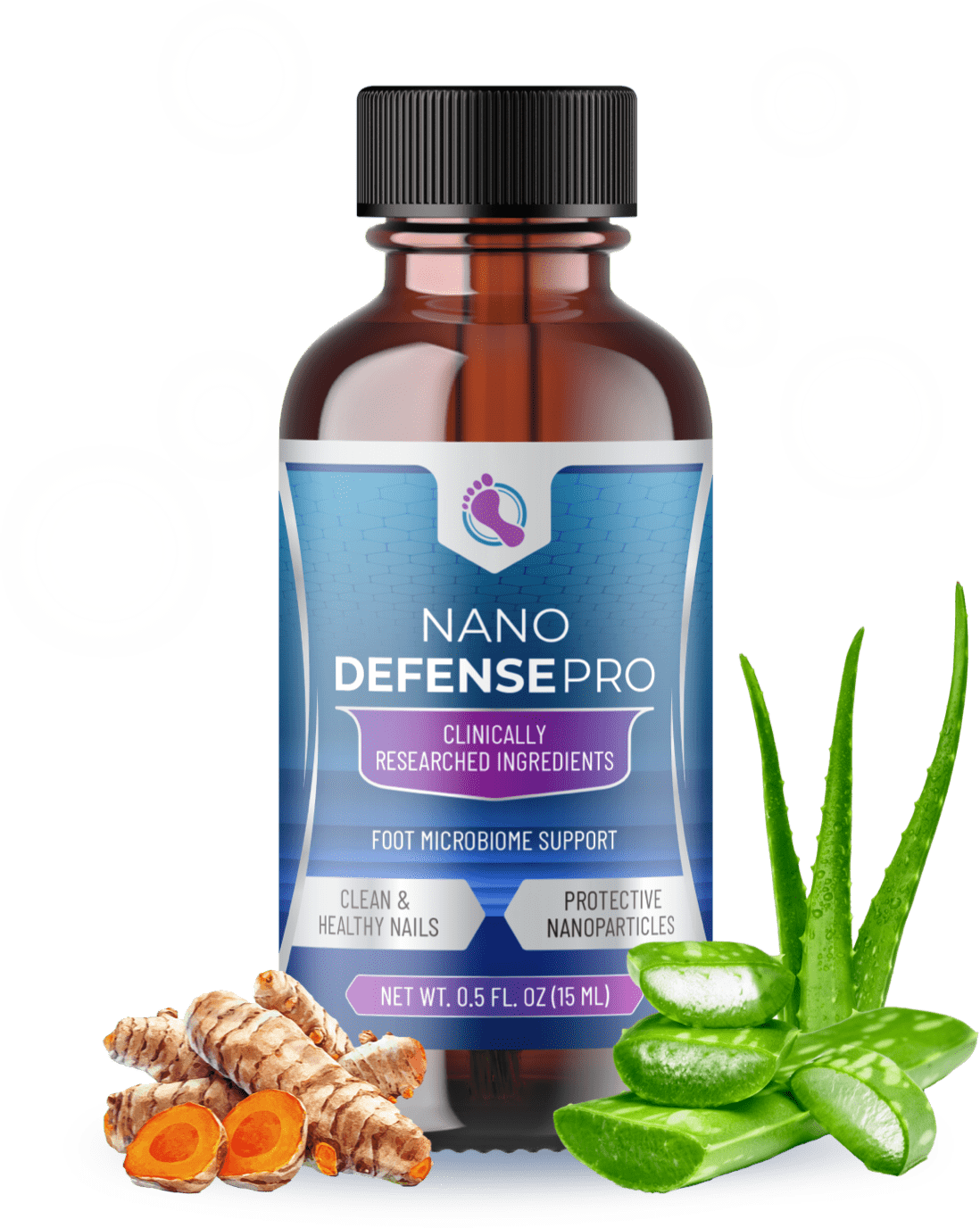
Why does accurate diagnosis matter? Treating trauma like fungus wastes time and money on antifungals that won’t help protective thickening. For confirmed fungal cases, NanoDefense Pro changes the game its nanotechnology delivers ingredients deep into the nail bed via bloodstream, targeting roots effectively.
This section kicks off our deep dive: differentiating symptoms, diagnosis tips, and proven solutions ahead.
What is Toe Nail Trauma and How Does It Happen?
Toenail trauma is physical damage to your nail or its growth base (nail matrix), often mistaken for fungus in the classic toe nail trauma vs fungus confusion. Unlike fungal infections, trauma stems from injury, prompting your body to thicken the nail as a protective response. This leads to changes like yellowing or brittleness without any infectious spread.
Common Causes of Toe Nail Trauma
Trauma hits in two main ways:
- Acute injuries: Stubbing your toe on furniture, dropping a heavy object, or sports mishaps like soccer kicks cause immediate damage.
- Chronic pressure: Tight shoes, high heels, or repetitive activities (running marathons in ill-fitting sneakers) grind the nail over time.
By 2026, with more people active in fitness trends, these issues are rampant among athletes and office workers alike.
Symptoms and Progression of Trauma
Acute trauma brings sudden pain, bruising (purple, black, or red under the nail), and separation from the bed. Chronic cases progress slowly: nails thicken, curve, crack, or deform mimicking fungus perfectly. Without intervention, it can lead to ingrown nails.
Why Trauma Stays Localized
Unlike fungus, which spreads via spores to other nails or skin, trauma is mechanical and isolated to the injured toe. No itching, odor, or contagion just one stubborn nail signaling past injury.
Struggling to tell toe nail trauma vs fungus? Products like NanoDefense Pro, with its penetrating nanoparticles, target true infections while highlighting trauma’s non-infectious nature.
Understanding Toe Nail Fungus (Onychomycosis)
In the debate of toe nail trauma vs fungus, distinguishing onychomycosis is key. Unlike trauma’s mechanical damage from stubbing toes or tight shoes which causes isolated thickening for protection toenail fungus is a persistent infection by dermatophyte fungi. These microbes thrive in warm, moist environments like shoes, invading the nail bed and breaking down keratin, the nail’s tough protein. By 2026, experts note it affects over 10% of adults, often mimicking trauma but spreading infectiously.
The Fungal Infection Culprits
Dermatophytes like Trichophyton rubrum are the main villains. They burrow into the nail plate, digesting keratin and weakening its structure. This differs from toe nail trauma, where no pathogen is involved just the body’s overprotective layering response. Risk factors include athlete’s foot, poor circulation, or diabetes, making early ID crucial in toe nail trauma vs fungus confusion.
Classic Signs of Fungal Growth
Fungus typically starts at the nail tip (distal subungual onychomycosis, or DSO, the most common type), showing gradual yellow, white, brown, or green discoloration, thickening, and brittleness. Nails crumble or lift (onycholysis), contrasting trauma’s sudden bruising or uniform thickening from repetitive pressure.
- Yellowish streaks or spots progressing inward
- Brittle, powdery debris under the nail
- Foul odor from fungal waste
Infectious Spread Pattern
Unlike isolated toe nail trauma, fungus spreads to adjacent nails, skin, or even fingernails via spores. Proximal subungual onychomycosis (PSO) starts at the base, often post-trauma in immunocompromised folks. Mild itching or pain occurs, worsening with secondary bacterial infections.
For targeted fungus relief penetrating deep where topicals fail NanoDefense Pro uses nanotechnology to deliver ingredients via bloodstream, addressing toe nail trauma vs fungus accurately.
Toe Nail Trauma vs Fungus: Spotting the Key Differences
Confused about toe nail trauma vs fungus? Both can cause thick, discolored, brittle nails, but understanding their differences is key to effective treatment. Trauma results from physical injury leading to protective thickening, while fungus is an infectious breakdown of nail structure. Let’s break it down.
| Aspect | Toe Nail Trauma | Toenail Fungus |
|---|---|---|
| Symptoms | Thickening, yellowing, cracking; isolated to injured nail | Similar look but spreads to other nails/skin |
| Cause | Injury (stubbed toe, tight shoes) | Fungal infection (dermatophytes) |
Onset and Speed of Development
Trauma hits fast think stubbing your toe and seeing immediate bruising or separation. Chronic types build slowly from repetitive pressure, like running in ill-fitting shoes. Fungus, however, creeps in gradually, starting at the tip (DSO) or base (PSO), worsening over months without spreading quickly at first.
Color, Pain, and Spread Indicators
Trauma often shows dark bruising, red streaks, or sharp pain right after injury, staying local. Fungus brings yellow/brown tones, crumbly texture, no initial pain, but itches or spreads to adjacent nails/skin, signaling infection.
Diagnostic Tools for Accuracy
Don’t guess see a podiatrist for history review and exam. Tools like nail clippings under microscopy reveal fungi, while cultures confirm infection. Rule out trauma via injury recall. Once fungus is ID’d, advanced options like NanoDefense Pro use nanoparticles for deep penetration, targeting fungus effectively without harming healthy nails.
The Risks of Misdiagnosis in Toe Nail Trauma vs Fungus
Confusing toe nail trauma vs fungus can lead to serious complications, as both mimic symptoms like thickening, yellowing, and brittleness. In 2026, with rising awareness of nail health, getting it right is crucial misdiagnosis delays recovery and worsens issues.
How Trauma Leads to Secondary Fungus
A stubbed toe or tight shoes can crack the nail or damage the matrix, creating entry points for fungi. This trauma disrupts the nail barrier, allowing dermatophytes to colonize moist environments under the nail. What starts as mechanical injury often turns infectious, with studies showing up to 30% of trauma cases developing secondary onychomycosis if untreated.
- Examples: Runners with repetitive impact or drop injuries see fungi thrive in lifted nails.
- Key sign: Painful trauma evolves into painless spreading discoloration.
Consequences of Wrong Treatments
Treating trauma with antifungals wastes time and money they don’t address protective thickening from injury. Conversely, ignoring fungus lets it spread to other nails or skin, causing permanent deformity or cellulitis. Failed topicals fail because they can’t penetrate thick nails, prolonging the cycle.
When Both Conditions Coexist
Trauma often invites fungus, creating hybrid cases needing pro diagnosis via microscopy or culture. Comprehensive approaches target both: mechanical fixes for trauma, antifungals for infection. NanoDefense Pro, with its penetrating nanoparticles, tackles fungal elements even in trauma-complicated nails, supporting microbiome balance.
NanoDefense Pro: The Game-Changer for Toe Nail Fungus
When distinguishing toe nail trauma vs fungus, remember that trauma causes mechanical thickening from injury, while fungus spreads infectiously, degrading the nail from within. NanoDefense Pro shines as a targeted solution for fungal onychomycosis, leveraging 2026’s nanotechnology advances to penetrate where topicals fail.
Why NanoDefense Pro Excels Over Traditional Treatments
Traditional creams and polishes only skim the nail surface, ineffective against deep-rooted fungus that mimics trauma symptoms like yellowing and brittleness. NanoDefense Pro’s nano-particles tiny enough to slip through nail layers reach the nail bed and bloodstream, eradicating fungi systemically. Unlike oral meds with side effects, it’s topical yet profoundly deep-acting, restoring clarity without masking toe nail trauma vs fungus confusion.
Key Ingredients and Their Power
- Nano-Silver: Antifungal powerhouse disrupting pathogen cell walls.
- Nano-Curcumin: From turmeric, reduces inflammation and boosts immunity.
- Nano-Quercetin: Antioxidant that inhibits fungal growth.
- Luteolin: Flavonoid for nail matrix repair.
- DNase: Breaks down fungal biofilms.
- Cape Aloe: Soothes and hydrates, preventing reinfection.
These clinically researched elements support foot microbiome balance, ideal post-trauma recovery too.
The 4-Phase Mechanism of Action
- Application: Nano-droplets absorb instantly into nail and skin.
- Inhibition: Targets dermatophytes, halting spread.
- Nourishment: Feeds healthy cells via circulation.
- Regeneration: Promotes new, clear nail growth in weeks.
Users report visible results in 4-6 weeks. Ready to ditch the guesswork in toe nail trauma vs fungus? Learn how NanoDefense Pro works for you.
Toe Nail Trauma vs Fungus: NanoDefense Pro’s Targeted Role
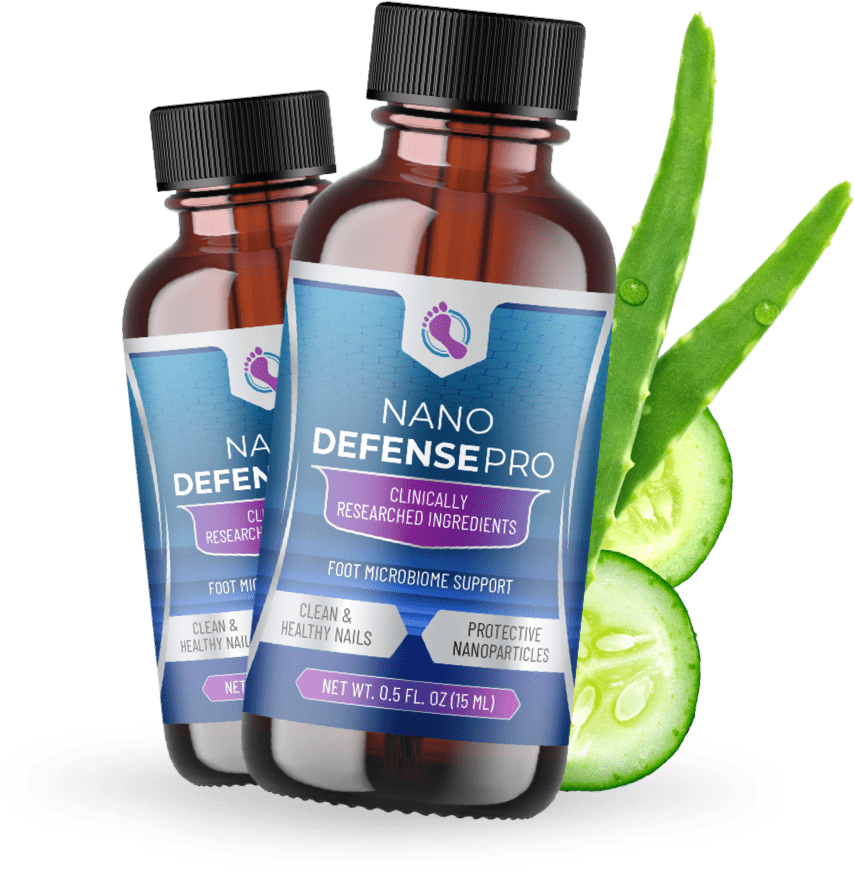
” alt=”NanoDefense Pro bottles with natural ingredients for toenail health” style=”max-width:100%; height:auto; display:block; margin:20px auto;”>
Navigating toe nail trauma vs fungus can be tricky since both cause thickening, discoloration, and brittleness. But NanoDefense Pro steps in with precision, targeting confirmed fungal infections while respecting trauma’s mechanical roots. Let’s break down its ideal fit.
Ideal for Confirmed Fungus, Not Pure Trauma
Rule out trauma first think stubbing your toe or tight shoes causing protective thickening before using NanoDefense Pro. It’s designed for onychomycosis, where fungi like dermatophytes invade the nail bed. Acute trauma shows sudden pain and bruising; chronic types build gradual deformity without spread. For pure trauma, rest and proper footwear suffice. But if microscopy or symptoms like odor and crumbly edges point to fungus, NanoDefense Pro’s nano-particles penetrate deeply via bloodstream, unlike topicals that fail on thick nails.
Addressing Overlap and Prevention
Trauma often invites secondary fungus, as cracks become entry points. NanoDefense Pro tackles this overlap by supporting the foot microbiome and shielding against infection. Its clinically researched ingredients like those from turmeric and aloe foster healthy nail regrowth post-injury while preventing fungal takeover. Users in 2026 report clearer nails after combined trauma-fungus cases. Discover how NanoDefense Pro protects your nails.
Superiority in Persistent Cases
- Conventional antifungals often fail due to poor penetration (only 5-10% reach the nail bed).
- NanoDefense Pro’s nanoparticles bypass this, delivering actives directly ideal for stubborn DSO or post-trauma fungus.
- Backed by GMP certification and natural, GMO-free formula made in FDA-registered USA facilities.
Real Results with NanoDefense Pro: Timeline and Tips
When distinguishing toe nail trauma vs fungus, NanoDefense Pro shines for fungal infections, delivering nano-particles deep into the nail bed to combat dermatophytes without masking trauma-induced thickening. Users often see clarity after ruling out mechanical damage like stubbing or tight shoes.
Expected Timeline for Improvements
Visible changes kick in at 4-6 weeks: reduced yellowing and brittleness as nanoparticles target fungus. Full results clearer, stronger nails take 8-12 weeks, per 2026 user reports. Unlike trauma’s slow regrowth (months), fungus responds faster to this targeted approach.
How to Use NanoDefense Pro Effectively
- Apply twice daily to clean, dry nails and cuticles after trimming.
- Pair with hygiene: soak feet in vinegar weekly, wear breathable shoes to prevent reinfection or trauma aggravation.
- Track progress: if no change by week 4, reassess toe nail trauma vs fungus with a podiatrist.
Customer Testimonials and Success Stories
“After confusing my thickened nail for trauma, NanoDefense Pro cleared the fungus in 10 weeks nails are tough now!” – Sarah K., 2026 review. Many report 70% improvement, stronger nails post-fungus clearance.
Prevention Strategies: Avoiding Toe Nail Trauma and Fungus
When distinguishing toe nail trauma vs fungus, prevention is key trauma from physical stress and fungus from infectious exposure both lead to similar thickening and discoloration. Simple habits can protect your nails in 2026’s active lifestyles.
Footwear and Lifestyle Adjustments for Trauma
Acute toe nail trauma often stems from stubbing toes or tight shoes, while chronic types build from repetitive sports pressure. Opt for well-fitted athletic shoes with ample toe box space think breathable meshes over narrow dress shoes. Trim nails straight across to avoid ingrown edges, and use protective padding during hikes or runs. Alternate footwear daily to reduce constant friction, preventing the protective thickening that mimics fungus.
- Choose shoes half a size larger for swelling-prone activities.
- Wear gel inserts for high-impact sports like soccer or running.
- Avoid going barefoot in public areas to dodge initial injuries.
Hygiene Habits to Block Fungal Spread
Fungus thrives in moist environments, unlike trauma’s mechanical damage. Keep feet dry: change socks twice daily, especially post-workout, and use moisture-wicking materials like merino wool. Wash feet with antifungal soap after showers, dry thoroughly (even between toes), and apply talc-free powder. Disinfect shoes weekly with UV sanitizers popular in 2026 for onychomycosis prevention.
Using NanoDefense Pro Proactively
For at-risk feet like post-trauma recovery or athletes NanoDefense Pro offers nanoparticle defense against fungal invasion, penetrating deep where creams fail. Use it as maintenance to support nail health amid toe nail trauma vs fungus confusion. Discover how NanoDefense Pro safeguards your nails.
Clear the Confusion: Choose NanoDefense Pro for Lasting Nail Health
Struggling to tell toe nail trauma vs fungus? Both cause thickening, yellowing, and brittleness, but key differences matter. Trauma stems from injury like stubbing your toe or tight shoes leading to protective layering without infection. Fungus (onychomycosis), however, spreads via dermatophytes, starting at the edges and invading the nail bed, often with odor or crumbling.
Diagnosis is crucial: trauma may resolve with rest, but fungus requires targeted treatment. In 2026, misdiagnosis wastes time see a podiatrist for scraping or microscopy to confirm.
| Aspect | Toe Nail Trauma | Fungus |
|---|---|---|
| Onset | Sudden or gradual from pressure | Progressive spread |
| Spread | Isolated to one nail | To other nails/skin |
| Pain | Initial injury pain | Itching/discomfort |
NanoDefense Pro cuts through the confusion with nanotechnology for deep penetration, targeting fungus effectively while supporting nail health. Its clinically researched ingredients nourish from within perfect if tests confirm infection.
Consult a pro first, then commit to consistent use for results in weeks. Ready to reclaim clear nails?
Leave a Reply