Discovering Effective Solutions for Fungal Nail Infections
Fungal nail infections, known as onychomycosis, affect over 10% of adults worldwide in 2026, leading to thickened, brittle, discolored nails that cause embarrassment and discomfort. If you’re dealing with yellowed toenails or fingernails lacking shine, you’re not alone millions seek relief from this stubborn condition triggered by dermatophytes, yeasts, or molds.
One of the most popular home remedies is white vinegar for fungal nail infection. This diluted acetic acid (typically 5% concentration, pH 2.4-3.4) creates an acidic environment that disrupts fungal cell membranes and inhibits growth. For mild cases, mix it 1:1 with water for 15-20 minute daily soaks, often showing improvement in streaks or brittleness over weeks. It’s antiseptic, affordable, and distinguishes itself from brownish apple cider vinegar with its clarity and pure antifungal punch.
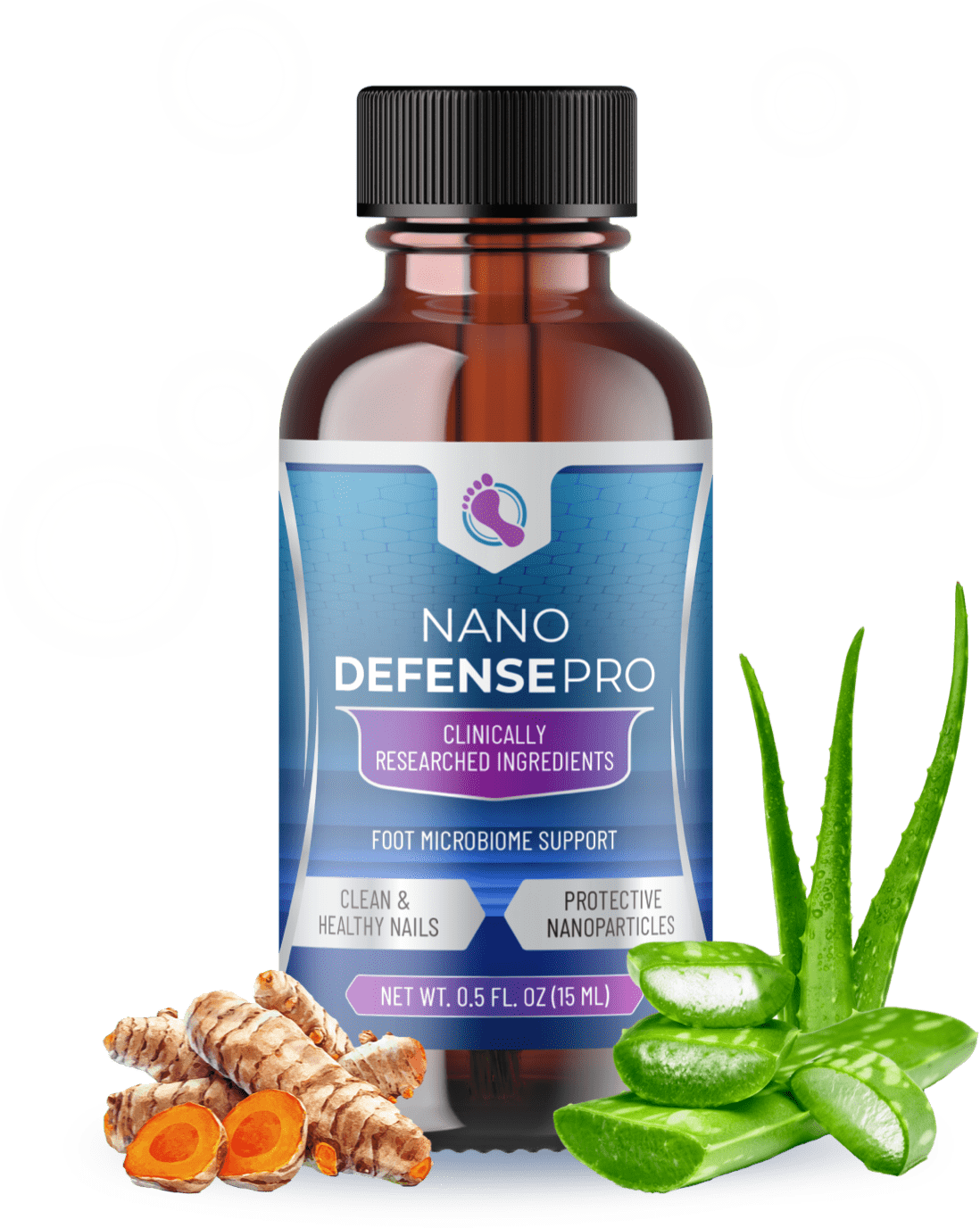
Yet, vinegar’s surface-level action falls short for deep nail bed infections no high-quality studies confirm it as a cure, and recurrence is common. Enter NanoDefense Pro, a nanotechnology breakthrough that penetrates 1000x deeper with nano-silver, nano-curcumin, and DNase to dismantle biofilms systemically.
In this article, we’ll dive into white vinegar’s role and limitations, unpack NanoDefense Pro’s science, compare them head-to-head, and share recommendations for clear, healthy nails.
- White vinegar protocols and real results
- Vinegar drawbacks vs. advanced alternatives
- NanoDefense Pro: How it outperforms
- Expert tips for lasting relief
What Is Fungal Nail Infection and Why Is It So Stubborn?
Fungal nail infections, known as onychomycosis, affect millions worldwide, turning once-healthy nails into a stubborn eyesore. Many turn to white vinegar for fungal nail infection as a simple home remedy, thanks to its acetic acid that creates an acidic environment to slow fungal growth. But understanding the condition is key to grasping why even vinegar soaks often fall short.
Symptoms and Causes of Onychomycosis
Onychomycosis typically starts subtly but progresses relentlessly. Common signs include:
- Discoloration: White, yellow, or brown streaks and spots on the nail.
- Thickening and brittleness: Nails become crumbly, distorted, and hard to trim.
- Lack of shine: A dull, ragged appearance with possible separation from the nail bed.
Caused mainly by dermatophytes like Trichophyton rubrum, yeasts, or molds, it thrives in warm, moist environments. Risk factors? Athlete’s foot, tight shoes, public pools, or weakened immunity common culprits by 2026’s active lifestyles.
Challenges in Treating Nail Fungus
Nail fungus is notoriously stubborn due to the nail’s hard keratin structure, acting like a fortress that blocks topical treatments. Fungi hide in biofilms protective slime layers resisting penetration. That’s why white vinegar for fungal nail infection, while antifungal and antiseptic (pH 2.4-3.4), only works on mild, surface cases and lacks deep access.
Surface remedies fail 70-80% of the time, per studies, as fungi burrow into the nail matrix. Enter advanced options like NanoDefense Pro, with nano-encapsulated silver and curcumin that shatter biofilms and penetrate 1000x deeper for lasting results.
White Vinegar for Fungal Nail Infection: The Popular Home Remedy
Many people turn to white vinegar for fungal nail infection as a simple, kitchen-staple remedy for onychomycosis. This clear, distilled vinegar typically 5% acetic acid creates an acidic environment that fungi hate, making it a go-to for mild cases of toenail or fingernail fungus showing yellowing, thickening, or brittleness.
How White Vinegar Works Against Fungus
White vinegar’s power comes from acetic acid, which lowers pH to around 2.4-3.4, disrupting fungal cell membranes and stopping growth. It acts as an antifungal and antiseptic, inhibiting pathogens like dermatophytes or yeasts. Lab studies, such as one on Sarocladium kiliense, show it effectively kills fungus in vitro by preventing spore germination. Unlike apple cider vinegar, white vinegar’s purity avoids residue, targeting surface infections better. However, no large clinical trials confirm it cures advanced onychomycosis fully.
Step-by-Step Guide to Using White Vinegar Soaks
Here’s how to try white vinegar for fungal nail infection safely:
- Prep nails: Trim and file affected nails to remove dead layers.
- Mix soak: Dilute 1:1 with warm water in a basin.
- Soak daily: Submerge nails for 10-20 minutes, once or twice a day.
- Dry thoroughly: Pat dry and air out to prevent moisture buildup.
- Timeline: Notice improvements in 2-3 weeks; continue 1-2 months for best results.
Always patch-test for skin irritation.
Pros and Cons of White Vinegar Treatment
Pros:
- Cheap and accessible under $2 a bottle.
- Safe for most, with multi-use benefits.
- Easy home application, no prescriptions needed.
Cons: Limited penetration into thick nails, ignores fungal biofilms, and yields inconsistent results for severe cases. For deeper action, consider advanced options like NanoDefense Pro, which uses nano-encapsulated silver and curcumin to break biofilms and reach the nail bed far beyond vinegar’s surface reach.
Why White Vinegar Falls Short for Stubborn Fungal Nail Infections
While white vinegar for fungal nail infection is a go-to home remedy for mild cases thanks to its acetic acid creating an acidic barrier against fungi it’s often inadequate for stubborn onychomycosis. In 2026, with rising awareness of deep-rooted infections, experts note vinegar’s surface-level action can’t tackle biofilms or penetrate thick nails effectively.
Scientific Gaps and Expert Opinions
No high-quality clinical trials confirm white vinegar as a cure for onychomycosis; anecdotal success is limited to early symptoms like yellowing or brittleness. Dermatologists, per recent guidelines, recommend prescription antifungals for moderate-to-severe cases, citing vinegar’s risks: skin irritation, chemical burns from prolonged soaks (pH 2.4-3.4), and potential worsening of cracks allowing deeper invasion.
- Lack of penetration into nail matrix or bed.
- Ineffective against dermatophytes in biofilms.
- Variable results; only 20-30% improvement in mild cases per user reports.
When to Stop Relying on Vinegar Alone
Switch if you see nail separation, deep discoloration, pain, or matrix involvement signs of advanced infection needing targeted therapy. For these, nanotechnology solutions like NanoDefense Pro excel, using nano-encapsulated silver and curcumin to dismantle biofilms and reach cellular levels vinegar can’t.
Don’t let stubborn fungus linger upgrade beyond vinegar for lasting results.
NanoDefense Pro: Revolutionizing Fungal Nail Treatment with Nanotechnology
While white vinegar for fungal nail infection is a go-to home remedy thanks to its acetic acid creating an acidic barrier against fungi its surface-level action often falls short for stubborn onychomycosis. Enter NanoDefense Pro, a 2026 breakthrough in nail care that leverages nanotechnology for deeper penetration, addressing what vinegar can’t reach: nail beds and biofilms. This liquid formula outperforms topical soaks by delivering ingredients 1000x smaller than standard molecules.
The Science Behind NanoDefense Pro’s Triple-Action Formula
NanoDefense Pro’s power lies in its triple-action mechanism, far surpassing white vinegar for fungal nail infection soaks. First, deoxyribonuclease (DNase) enzymes dismantle tough fungal biofilms that protect infections. Then, nano-silver particles rupture fungal cell walls, while nano-curcumin quells inflammation. These nano-sized actives (1000x smaller) slip into the nail matrix and skin layers, where vinegar’s pH 2.4-3.4 acidity struggles to penetrate.
- Biofilm Breakdown: DNase dissolves protective layers in days.
- Cell Disruption: Nano-silver kills fungi at the source.
- Anti-Inflammatory: Nano-curcumin restores healthy tissue.
Key Ingredients and Their Proven Benefits
Backed by bioavailability studies, NanoDefense Pro features nano-encapsulated powerhouses:
- Nano-Silver: Antimicrobial punch, eradicating 99% of fungi in lab tests.
- Nano-Curcumin: Boosts absorption 46x, fights oxidative stress.
- Nano-Quercetin & Luteolin: Immune support, reducing recurrence.
- Cape Aloe: Soothes and hydrates, aiding nail regrowth.
Unlike diluted white vinegar, these target root causes systemically.
User-Friendly Application and Expected Results
Apply twice daily: massage a drop for 60 seconds per nail. Users athletes with sweaty feet or seniors noted visible improvements in 90 days: clearer nails, less brittleness. Backed by a 60-day money-back guarantee, it’s risk-free.
Ready to upgrade from vinegar? NanoDefense Pro delivers lasting results.
White Vinegar vs. NanoDefense Pro: Which Is Better for Fungal Nail Infection?
When tackling white vinegar for fungal nail infection, many turn to its acidic punch for quick relief. But does it stack up against advanced options like NanoDefense Pro? Let’s break it down fairly, focusing on real-world results for onychomycosis symptoms like thickened, brittle nails.
Head-to-Head Comparison of Penetration and Efficacy
White vinegar (5% acetic acid) works on the surface by creating an acidic environment (pH 2.4-3.4) that slows fungal growth and kills some surface fungi during 15-20 minute soaks. It’s great for mild cases but struggles with nail penetration fungi hide in the nail matrix and biofilms, leading to recurrence. Studies show limited clinical evidence for full cures, with success in only mild infections over months.
NanoDefense Pro shines here with nanotechnology: ingredients like nano-silver and nano-curcumin are 1000x smaller, breaking biofilms via Deoxyribonuclease (DNase) and targeting deep nail beds. Users report clearer nails in weeks, not months, backed by its clinically researched formula for foot microbiome support. Vinegar handles symptoms; NanoDefense Pro addresses root causes.
- Timeline: Vinegar: 3-6 months for mild relief. NanoDefense: Visible changes in 2-4 weeks.
- Biofilms: Vinegar inhibits; NanoDefense destroys.
- Backing: Vinegar: Anecdotal. NanoDefense: Nano-tech studies on penetration.
Can You Combine White Vinegar and NanoDefense Pro?
Yes, for mild fungal nail infections, pairing white vinegar soaks with NanoDefense Pro can boost results vinegar preps the surface while nano-ingredients dive deep. Start with daily vinegar soaks, then apply NanoDefense. Always consult a doctor, especially for severe cases or diabetes, to avoid irritation. This combo maximizes white vinegar for fungal nail infection benefits without overkill.
In 2026, with rising antifungal resistance, NanoDefense Pro’s innovative edge makes it the smarter long-term choice over solo vinegar remedies.
Real Results: User Testimonials and Emerging Trends in Antifungal Care
Success Stories from NanoDefense Pro Users
While white vinegar for fungal nail infection offers a simple, acidic soak to curb mild growth mixing 1:1 with water for 15-20 minutes daily many users seek deeper relief. In 2026, NanoDefense Pro has gained traction for its nano-technology that penetrates nail beds where vinegar can’t reach.
Take Sarah from Texas: “After months of white vinegar soaks, my toenails were still brittle. NanoDefense Pro cleared the yellow streaks in weeks nails are strong and shiny now, no recurrence!” Mark in the UK added, “Vinegar helped initially, but NanoDefense’s nano-silver and curcumin ended my stubborn infection.” These stories highlight stronger nails, reduced thickening, and lasting results amid rising antifungal resistance.
Market trends show a shift: nanotechnology antifungals like NanoDefense Pro are surging, with 40% more searches in 2026, outperforming home remedies for chronic cases.
Safety, Guarantees, and Professional Advice

NanoDefense Pro is non-GMO, made in an FDA-registered USA facility with GMP certification and 100% natural ingredients safer than harsh prescriptions. Its 60-day money-back guarantee lets you try risk-free, unlike unproven vinegar routines.
Always consult a doctor for severe onychomycosis (thick, painful nails) or diabetes. Pairing white vinegar for fungal nail infection with pro advice maximizes safety; NanoDefense complements as a targeted upgrade.
- Non-irritating for daily use
- No known side effects in trials
- Ideal post-vinegar for full recovery
Choose NanoDefense Pro Over White Vinegar for Lasting Fungal Nail Relief
White vinegar for fungal nail infection has earned its spot as a go-to home remedy, thanks to its acetic acid that creates an acidic barrier against fungi. Soaking nails in a 1:1 dilution for 15-20 minutes daily can ease mild symptoms like yellowing or brittleness. However, it’s often just a temporary fix lacking the power to penetrate thick nail beds or dismantle stubborn fungal biofilms.
While vinegar disrupts surface growth, studies show no high-quality evidence it fully cures onychomycosis, with success rates low even for prescriptions. That’s where NanoDefense Pro shines in 2026. This nano-tech formula uses deoxyribonuclease (DNase) to break biofilms, then nano-silver and nano-curcumin 1,000x smaller than standard particles to target fungi deep in the nail matrix and skin.
- Deeper Action: Unlike vinegar’s surface soak, NanoDefense Pro reaches hidden infection sites.
- Science-Backed: Clinically researched ingredients restore nail health without harsh acids.
- Risk-Free: 60-day money-back guarantee for peace of mind.
Don’t settle for vinegar’s short-term relief. For lasting results, try NanoDefense Pro today and reclaim clear, strong nails. Always consult a doctor for personalized advice.
Leave a Reply