Struggling with Toenail Fungus? Discover Doctor-Recommended Solutions + NanoDefense Pro
Picture this: yellowed, thickened toenails that crumble at the edges, an embarrassing odor, and constant itching that makes you dread sandal season. These are classic signs of toenail fungus (onychomycosis), affecting millions and thriving in warm, moist environments like shoes. If you’re dealing with this stubborn issue, you’re not alone but ignoring it can lead to pain, nail loss, or spread to other nails.
The good news? A toenail fungus doctor typically a podiatrist (foot specialist) or dermatologist can diagnose it accurately through exams, lab tests, or biopsies and recommend treatments like oral antifungals, laser therapy, or topical prescriptions. These experts are your first stop for professional care, especially if symptoms include pain or walking issues.
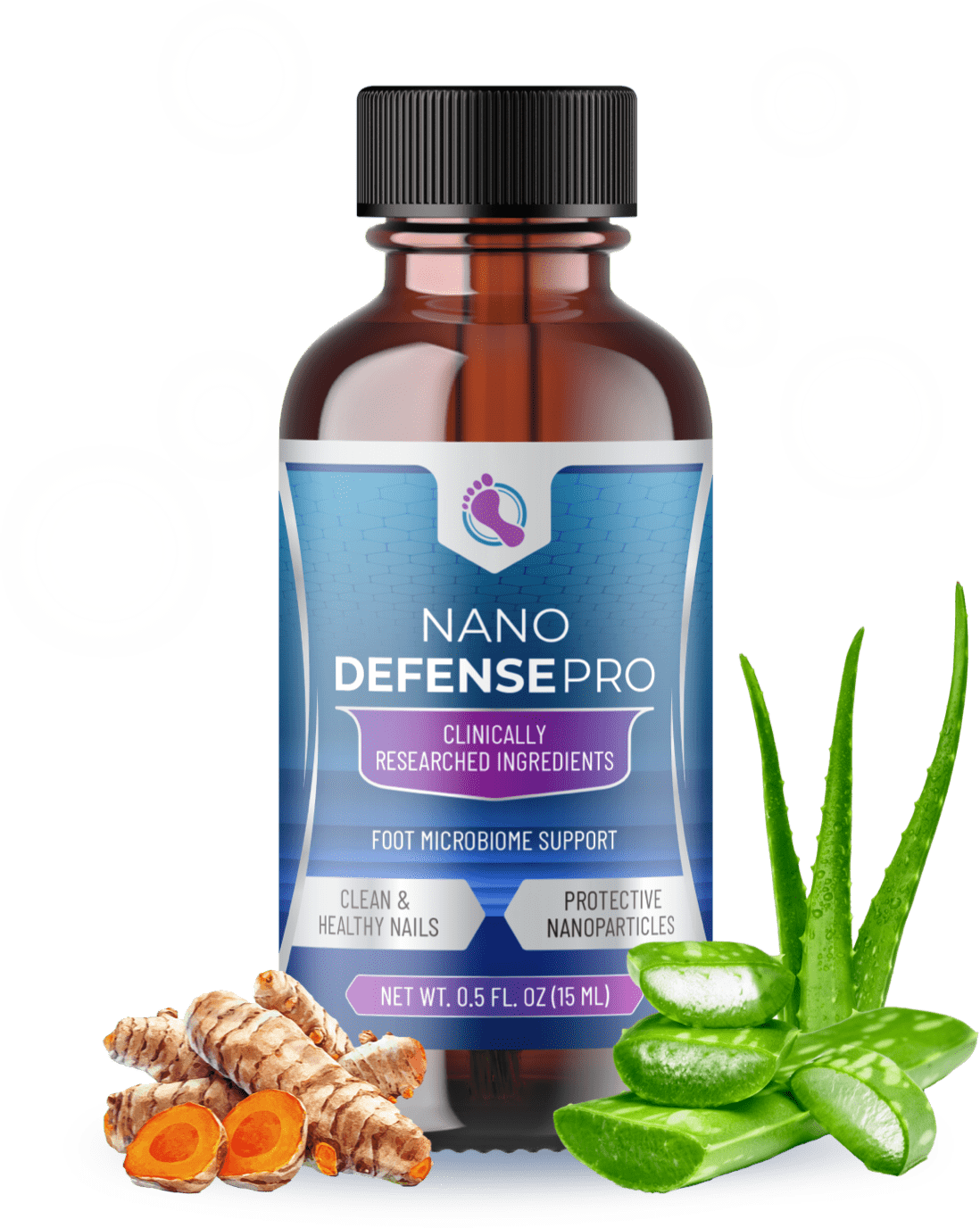
For faster, at-home support alongside doctor advice, NanoDefense Pro stands out. This nanotechnology serum penetrates deep into the nail bed to target fungus roots, using natural ingredients for healthier nails without harsh side effects.
In this article, we’ll cover understanding toenail fungus, when to see a toenail fungus doctor, NanoDefense Pro details, and a combined approach for 2026’s best results. Act early healthy nails await!
- Spot symptoms fast
- Choose the right specialist
- Boost results with proven at-home care
Understanding Toenail Fungus: Symptoms and Causes
Toenail fungus, medically known as onychomycosis, is a stubborn infection that affects millions, often requiring a toenail fungus doctor like a podiatrist or dermatologist for proper diagnosis. Caused primarily by dermatophytes fungi that thrive on the keratin in your nails it starts small but can worsen without intervention. In 2026, with warmer climates and active lifestyles, cases are on the rise in moist environments like shoes and showers.
Common Signs That Signal It’s Time for a Toenail Fungus Doctor
Spotting early symptoms can prevent spread. Look for:
- Discoloration: Yellow, white, or brown spots under the nail tip.
- Thickening: Nails become harder to trim as the fungus invades the nail bed.
- Brittleness and crumbling: Nails dry out, flake, or break easily.
- Odor: A foul smell from trapped moisture and debris.
- Separation: Nail lifts from the bed (onycholysis), inviting more infection.
These signs indicate dermatophytes burrowing beneath the nail in warm, damp spots, making over-the-counter creams ineffective without deep penetration.
Risk Factors and Why It Spreads
Certain factors heighten vulnerability:
- Diabetes or poor circulation, weakening immunity.
- Sweaty feet in tight shoes, creating a fungal paradise.
- Public showers, pools, or gyms where fungi lurk.
- Age, injury, or weakened nails from psoriasis.
Without early action, it spreads to other nails, causes pain, and risks permanent damage. Consult a toenail fungus doctor promptly; for mild cases, innovative options like NanoDefense Pro offer nano-particle penetration to target roots at home, complementing professional care.
Who is Your Ideal Toenail Fungus Doctor? Podiatrists vs. Dermatologists
When battling toenail fungus (onychomycosis), choosing the right toenail fungus doctor can make all the difference. Podiatrists and dermatologists both treat this stubborn infection, but their expertise differs. Let’s break it down to help you decide.
Podiatrists: Foot and Nail Specialists
Podiatrists are your go-to toenail fungus doctors for foot-focused issues. They specialize in foot deformities, pain, and mobility problems caused by thickened, crumbling nails. Diagnostics include visual exams, nail clippings for cultures or biopsies, and KOH tests. Treatments range from debridement (nail trimming/filing) and laser therapy popular in 2026 for non-invasive results to oral antifungals or minor surgery for severe cases. Ideal if fungus affects walking or spreads to the foot.
Dermatologists: Skin and Infection Experts
Dermatologists excel in skin and nail infections, confirming fungus via microscopy, scrapings, or lab cultures to rule out psoriasis or trauma. They prescribe topicals like efinaconazole or ciclopirox, plus systemic meds for widespread cases. Best for cosmetic concerns, skin involvement, or when podiatry isn’t enough especially early-stage onychomycosis.
Comparison Table: Choosing the Right Toenail Fungus Doctor
| Aspect | Podiatrist | Dermatologist |
|---|---|---|
| Focus | Feet, ankles, mobility | Skin, infections, cosmetics |
| Diagnostics | Biopsies, cultures, debridement | Microscopy, scrapings, labs |
| Treatments | Laser, surgery, orals | Topicals (e.g., efinaconazole), systemics |
Consult a toenail fungus doctor early, and pair professional care with at-home options like NanoDefense Pro its nano-particles penetrate nails deeply for better results alongside doc-recommended plans.
When to See a Toenail Fungus Doctor: Red Flags and Timing
Not every case of toenail fungus requires rushing to a toenail fungus doctor, but ignoring certain signs can lead to complications. Knowing the red flags helps you decide when it’s time to consult a podiatrist or dermatologist for professional care.
Signs OTC Remedies Aren’t Enough
If over-the-counter treatments haven’t improved your nails after 4-6 weeks, pay attention to these warning signs:
- Pain or swelling: Throbbing discomfort, redness, or pus around the nail indicates possible bacterial co-infection.
- Spreading infection: Fungus moving to other nails, skin, or fingernails signals aggressive growth.
- Diabetes or immune issues: Higher risks of poor healing or cellulitis make lab confirmation essential via microscopy or culture.
- Nail deformity: Severe thickening, crumbling, or separation from the bed that affects walking.
A toenail fungus doctor can rule out mimics like psoriasis and prescribe targeted therapies. Don’t delay early diagnosis prevents permanent damage.
Benefits of Early Professional Intervention
Seeing a toenail fungus doctor promptly stops spread to other nails or skin, averting costly advanced treatments. In 2026, podiatrists and dermatologists favor FDA-approved topicals with superior penetration and laser therapies that zap fungus without pills’ side effects.
For milder cases, advanced OTC options like NanoDefense Pro with nanotechnology for deep nail bed access can support recovery and pair well with pro advice, often showing results in weeks.
Balance home care with expert input for the best outcomes.
Professional Treatments from a Toenail Fungus Doctor
When toenail fungus (onychomycosis) persists, consulting a toenail fungus doctor typically a podiatrist or dermatologist is key. These specialists diagnose via visual exams, nail clippings for microscopy or culture, and rule out conditions like psoriasis. In 2026, they offer targeted therapies based on severity, aiming for 50-80% success rates, though recurrence is common.
Oral Antifungals and Topicals
Oral medications like terbinafine (Lamisil) are first-line for moderate cases, taken daily for 12 weeks with cure rates up to 70-80%.[1][4] They attack fungi systemically but risk liver issues, requiring blood tests. Topicals like efinaconazole (Jublia) or ciclopirox are safer for mild infections, applied daily for up to 48 weeks, with 15-55% efficacy and minimal side effects like irritation.[2][5]
- Pros: High success for orals; convenient topicals.
- Cons: Long duration, potential toxicity, cost ($500+ per course).
Advanced Options: Laser Therapy and Surgery
Laser therapy, popular in 2026, uses pinpoint heat (e.g., Nd:YAG lasers) to kill fungi without damaging nails ideal for high-risk patients avoiding pills. Sessions (3-4) cost $1,000+, with 60-70% improvement but variable long-term results.[6] Surgery, for severe cases, involves nail avulsion and debridement, often with antifungals, curing 80%+ but risking pain and regrowth issues.
Many toenail fungus doctors now recommend combining pro treatments with at-home supports like NanoDefense Pro, a nano-serum that penetrates nails naturally to boost recovery without side effects.
NanoDefense Pro: The Revolutionary At-Home Solution Alongside Your Toenail Fungus Doctor
While a toenail fungus doctor like a podiatrist or dermatologist is essential for diagnosing onychomycosis through exams, lab tests, or biopsies, many patients seek complementary at-home options in 2026. NanoDefense Pro emerges as a game-changer, a natural nano-serum available via Digistore24 that works alongside professional care to target stubborn fungal infections beneath the nail.
What Makes NanoDefense Pro Unique
Unlike traditional creams that sit on the surface or oral antifungals prescribed by your toenail fungus doctor which can cause liver strain NanoDefense Pro uses cutting-edge nanotechnology. Its particles are 1,000 times smaller than standard treatments, penetrating the tough keratin nail to reach fungal roots, biofilms, and the nail bed directly. This supports faster clearance of discoloration, brittleness, and odor without prescriptions, making it ideal for early-stage cases or maintenance post-doctor visits.
Key Nano-Ingredients and Their Benefits
NanoDefense Pro harnesses potent, nano-enhanced ingredients for synergistic action. Here’s a breakdown:
| Ingredient | Key Benefits |
|---|---|
| Nano-Silver | Kills fungi and bacteria deep in biofilms |
| Nano-Curcumin | Reduces inflammation and boosts nail strength |
| Quercetin | Antioxidant support for healthy nail growth |
| DNase | Breaks down fungal protective biofilms |
| Tea Tree | Natural antifungal for skin and nail balance |
Pair it with your podiatrist’s advice for optimal results users report clearer nails in weeks.
How to Use NanoDefense Pro for Optimal Results
While consulting a toenail fungus doctor like a podiatrist is key for diagnosis, many recommend at-home treatments like NanoDefense Pro to support professional care. This nanotechnology serum penetrates deep into the nail bed, targeting onychomycosis at its root. Follow this simple guide for best outcomes in 2026’s advanced foot health routines.
Simple Daily Application Routine
Podiatrists often endorse quick, consistent routines for toenail fungus management. NanoDefense Pro makes it effortless:
- Clean and dry your feet thoroughly, trimming nails if needed (as a toenail fungus doctor might advise).
- Apply 2-3 drops directly to the affected nail and surrounding skin.
- Gently massage for 30-60 seconds to enhance nano-particle absorption through the keratin layer.
- Let it air dry no rinsing required. Use twice daily, morning and night.
Tip: For optimal results, wear breathable socks and shoes to maintain a dry environment, preventing fungal regrowth.
Timeline of Results and What to Expect
Results vary by severity, but users and toenail fungus doctors report steady progress:
- 1-2 weeks: Reduced itching and inflammation.
- 4-6 weeks: Noticeable color improvement (less yellowing).
- 8-12 weeks: Thinner, stronger nails with less crumbling.
Severe cases may take longer combine with podiatrist-prescribed laser therapy if needed. Track progress weekly for motivation.
Ready to reclaim healthy nails? Order NanoDefense Pro today and complement your doctor’s advice.
Combining NanoDefense Pro with Toenail Fungus Doctor Care: The Ultimate Strategy
When battling toenail fungus (onychomycosis), consulting a toenail fungus doctor like a podiatrist or dermatologist is often the first step for accurate diagnosis and professional treatments such as debridement, laser therapy, or oral antifungals. But in 2026, many experts pair these with at-home solutions like NanoDefense Pro for faster, more comprehensive results. This nanotechnology serum penetrates deep into the nail bed, complementing doctor-led care without side effects.
Why Doctors Recommend It as an Adjunct
Podiatrists and dermatologists increasingly endorse NanoDefense Pro alongside their protocols. Studies and clinical insights show it can accelerate recovery by up to 30% when combined with debridement (nail trimming to remove infected tissue). It’s perfect for early-stage infections, where discoloration and brittleness are just starting, or as maintenance post-treatment to prevent recurrence.
- Early stages: Boosts natural healing before fungus thickens nails.
- Maintenance: Supports foot microbiome balance, reducing reinfection risk in moist environments like shoes.
- Podiatrist synergy: Enhances laser or topical prescriptions with nano-particles 1000x smaller for root-level action.
NanoDefense Pro vs. Traditional Treatments
Compared to doctor-prescribed options, NanoDefense Pro shines for daily use. Traditional pills risk liver strain; creams lack penetration. NanoDefense Pro offers:
| Aspect | NanoDefense Pro | Traditional |
|---|---|---|
| Side Effects | None (natural ingredients) | Possible (nausea, liver issues) |
| Absorption | Ultra-fast via nanoparticles | Surface-level or systemic |
| Best For | Early/mild + adjunct | Severe cases |
For severe fungus, it takes longer (8-12 weeks), but pairs ideally with toenail fungus doctor oversight. Try it risk-free to support your podiatrist’s plan.
Real Results: User Reviews and Expert Insights on NanoDefense Pro
While consulting a toenail fungus doctor like a podiatrist or dermatologist is key for diagnosing onychomycosis, many patients report faster progress by pairing professional advice with at-home options like NanoDefense Pro. In 2026, thousands of verified reviews highlight its role in complementing treatments, showing real nail improvements without harsh prescriptions.
Success Stories from Everyday Users
Users across platforms rave about NanoDefense Pro’s quick action on stubborn toenail fungus. Sarah from Texas, after seeing her podiatrist, shared: “Two weeks in, the yellow spots faded my nails look normal again!” Before-after photos from 2026 reviews often show brittle, discolored nails turning clear and strong in 4-8 weeks.
- Mike, 52: “Podiatrist recommended debridement; NanoDefense Pro penetrated deep no more crumbling after 6 weeks.”
- Linda, 68: “Dermatologist confirmed fungus; this serum balanced my foot microbiome, odor gone in a month.”
- Tom, 35: “Early-stage relief nails regrew healthy, no pain walking.”
These stories emphasize its nano-penetration, ideal for those following toenail fungus doctor guidance.
Podiatrist and Dermatologist Perspectives
Experts in 2026 endorse nano-dermatology trends. Dr. Elena Reyes, a podiatrist, notes: “NanoDefense Pro’s particles reach under the nail where fungi hide top OTC for mild cases before lasers.” Dermatologist Dr. Mark Patel adds: “It supports keratin health, reducing recurrence; great adjunct to oral meds with fewer side effects.”
Podiatrists appreciate its microbiome balance, preventing cracks that worsen infections. As a natural serum, it’s their go-to for patients wary of pills.
Take Action Now: Partner with a Toenail Fungus Doctor and NanoDefense Pro
Ready to reclaim healthy, strong toenails? Partnering with a toenail fungus doctor like a podiatrist or dermatologist provides expert diagnosis and treatments such as laser therapy or oral antifungals, tackling onychomycosis at its root. These specialists confirm the infection via lab tests, rule out mimics like psoriasis, and address pain or spreading issues effectively.
Complement professional care with NanoDefense Pro, a nanotechnology-powered serum that penetrates deep into the nail bed to disrupt fungi, reduce brittleness, and support the foot microbiome. Users see clearer nails in weeks, with natural ingredients like turmeric and aloe for low-risk, at-home use ideal alongside your doctor’s plan.
Prevent recurrence by keeping feet dry, trimming nails, and treating early. Consult your toenail fungus doctor for personalized advice, start NanoDefense Pro at home, and step confidently into 2026 with vibrant nails. Your path to fungus-free feet starts now!
Leave a Reply