Can Nail Polish Really Cause Fungal Nail Infections?
Ever wondered, can you get fungus from nail polish? The short answer is no, nail polish doesn’t directly cause fungal nail infections (onychomycosis). However, it can create the perfect storm for fungi to thrive by trapping moisture, blocking airflow to your nails, and potentially harboring spores if the bottle or brush is contaminated. In 2026, with salon visits on the rise, this risk is more relevant than ever.
What Is Onychomycosis and Its Key Symptoms?
Onychomycosis is a stubborn fungal infection, often caused by dermatophytes like Trichophyton rubrum, which love warm, damp environments. It spreads via direct contact with infected nails or contaminated items, sneaking in through micro-cracks.
- Thickened, brittle, or crumbly nails
- Yellow, white, brown, or cloudy discoloration
- Nail separation from the bed (onycholysis)
- Foul odor or pain
- Distorted shape or debris buildup
How Nail Polish Plays a Role
While chemicals like toluene in most polishes inhibit fungal growth, top coats can support T. rubrum for up to 60 days if contaminated. Shared bottles in salons or old products at home heighten risks brushes can transfer spores from infected nails.
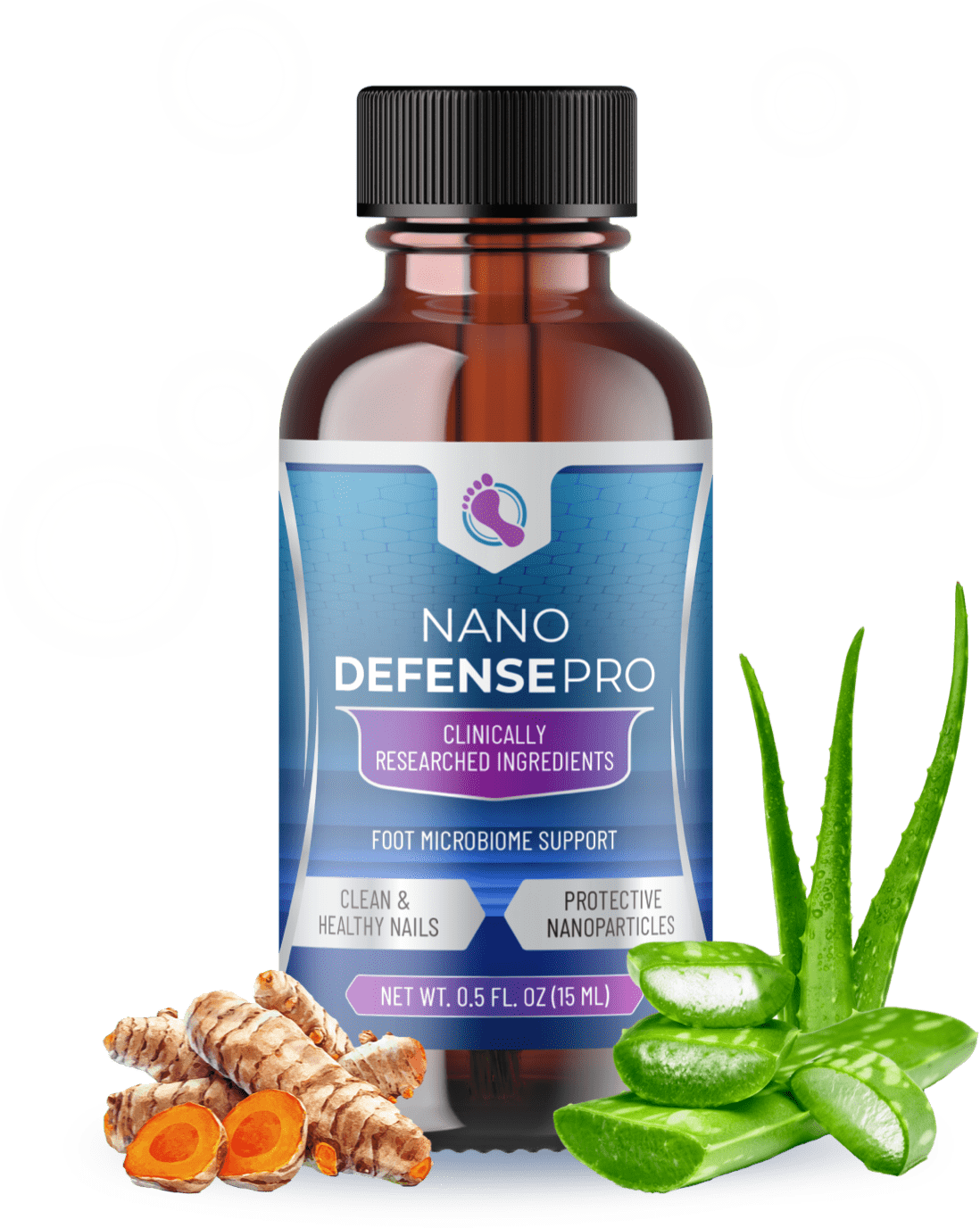
To prevent this and treat early signs, NanoDefense Pro uses breakthrough nanotechnology. Its tiny particles penetrate deep into the nail bed and cuticles, breaking down fungal biofilms for effective protection post-polish application.
Read on for prevention tips and how to keep your nails fungus-free.
Understanding Nail Fungus: What Is Onychomycosis?
Onychomycosis, commonly known as nail fungus, is a persistent infection that affects the toenails and fingernails, turning what should be a simple beauty routine into a frustrating battle. If you’ve ever wondered, can you get fungus from nail polish, the answer is nuanced: polish doesn’t directly cause it, but it can trap moisture and spores, making infections worse or easier to spread.
The Science Behind Fungal Nail Infections
Onychomycosis is primarily caused by dermatophytes like Trichophyton rubrum, fungi that love warm, moist environments think sweaty shoes or sealed-in nail polish. These spores enter through tiny cracks in the nail or skin, multiplying under the nail bed. Nail polish indirectly contributes by creating a barrier that reduces airflow and retains dampness, potentially harboring contaminants from brushes or bottles. While polish chemicals like toluene often inhibit growth, topcoats can sustain fungi for weeks if contaminated.
- Key symptoms: Thickened, brittle nails; yellow or cloudy discoloration; separation from the nail bed; foul odor.
Prevalence and Who Is at Risk
In 2026, onychomycosis impacts about 10-20% of adults, hitting athletes, seniors over 60, and frequent nail polish users hardest. Shared salon tools or old polish bottles heighten risks, as can you get fungus from nail polish becomes a real concern through indirect transmission. Diabetics and those with poor circulation face higher odds too.
Protect your nails proactively with innovative solutions like NanoDefense Pro, a nanotechnology-based treatment that penetrates deep to combat fungus at the source. Learn how NanoDefense Pro safeguards against nail fungus risks.
Symptoms of Nail Fungus You Shouldn’t Ignore
While nail polish itself doesn’t directly cause fungus addressing the common question, can you get fungus from nail polish? it can trap moisture and hide early signs, allowing infections like onychomycosis to worsen. Caused by dermatophytes thriving in warm, damp areas, these symptoms often appear subtly after polish use, especially if bottles or brushes are contaminated.
Early Warning Signs After Using Nail Polish
Nail polish can mask initial changes, delaying detection. Watch for these red flags:
- Thickened or brittle nails: Nails become crumbly or hard to trim, as fungus invades the nail bed.
- Discoloration: Yellow, white, brown, or cloudy spots that polish might cover up.
- Onycholysis: Nail lifting from the bed, creating space for more fungal growth.
- Foul odor, pain, or debris: Buildup under nails with a musty smell signals active infection.
Polish reduces airflow, potentially harboring spores from shared salon tools, making vigilance key.
When to Seek Professional Help
Don’t ignore these if they persist beyond two weeks early action prevents spread to other nails or skin. Consult a podiatrist or dermatologist for prescription antifungals, laser therapy, or debridement. In 2026, advanced options like nanotechnology treatments are game-changers.
For at-home support targeting nail beds and cuticles where polish traps moisture, NanoDefense Pro uses tiny particles to break biofilms and regenerate nails effectively.
How Nail Polish Enables Fungal Growth
While nail polish itself doesn’t directly cause fungus answering the big question, can you get fungus from nail polish? it creates ideal conditions for fungal spores to thrive and spread. By sealing the nail surface, polish traps moisture and blocks airflow, turning your nails into a cozy breeding ground for onychomycosis-causing fungi like Trichophyton rubrum. This is especially true in 2026, with gel manicures and long-wear formulas more popular than ever.
Moisture Trapping and Reduced Airflow
Nail polish, particularly top coats and UV gels, forms a waterproof barrier that locks in sweat and humidity from your feet or hands. Studies show contaminated top coats can harbor T. rubrum spores for up to 60 days, surviving in that damp, oxygen-poor environment.[6] Harsh chemicals like toluene and formaldehyde in polishes offer some antifungal protection initially, but as layers chip or crack common after a week they create micro-fissures. These entry points let dormant spores reactivate, worsening infections.
- Gel polishes cure under UV light, further reducing breathability.
- Daily wear without removal amplifies moisture buildup, mimicking the warm, wet conditions fungi love.
Contamination Risks from Shared Products
Sharing bottles or brushes at salons skyrockets risks imagine dipping a brush into polish after an infected nail. Old or expired polish loses its inhibitory chemicals, becoming a fomite for transmission.[4][8] Dark or opaque polishes block natural light, which naturally curbs fungal growth, while weakening nails over time makes them brittle and prone to cracks.
- Salon tools rarely sterilized fully between clients.
- Expired products (check that 2026 date!) foster spore survival.
To counter these pitfalls, products like NanoDefense Pro use nanotechnology to penetrate polish-trapped areas, breaking down biofilms and protecting nail beds proactively. Discover how NanoDefense Pro safeguards your nails.
Key Risk Factors: Salons, Home Use, and Polish Types
While nail polish itself doesn’t directly cause fungus, asking can you get fungus from nail polish highlights real risks when it traps moisture or gets contaminated. Certain scenarios amplify the chance of onychomycosis transmission or growth, especially in 2026’s busy beauty routines.
Dangers in Nail Salons
Salons are high-risk zones for fungal spread due to shared tools and poor hygiene. Unsterilized files, buffers, or brushes can transfer spores from infected clients, while aggressive filing causes micro-trauma for entry points. Damp environments foster *Trichophyton rubrum* growth.
- Choose wisely: Opt for salons with UV sterilizers, single-use files, and visible sanitation protocols.
- Ask about disinfection EPA-approved solutions kill 99.9% of fungi.
- Bring your own kit to minimize exposure.
Home Application Pitfalls
At home, prolonged wear (over a week) seals in moisture, creating a breeding ground under polish. Sharing bottles among family spreads contaminants, and harsh gel/acrylic removal damages nails, inviting infection.
- Remove polish every 7 days for airflow.
- Never share clean brushes with alcohol.
- Avoid acetone soaks; use gentle removers.
Polish Types to Watch
Standard polishes’ chemicals inhibit fungi, but top coats and gels harbor spores up to 60 days if contaminated. Old or shared bottles are culprits.
To safeguard nails proactively, try NanoDefense Pro its nanoparticles penetrate before polish, breaking biofilms and preventing issues.
Prevention Strategies: Avoid Fungus from Nail Polish
While the risk of getting fungus from nail polish is low due to its antifungal chemicals, contaminated bottles or trapped moisture can still create problems. Smart habits minimize this risk entirely, keeping your nails healthy and beautiful. Here’s how to stay safe in 2026’s polish trends.
Best Practices for Safe Nail Polish Use
- Never share polish or tools: Salons and friends’ bottles can harbor spores always use your own to avoid transmission.
- Follow a one-week on/off cycle: Give nails breathing room to prevent moisture buildup, a key factor in onychomycosis.
- Discard old polish: Bottles over 12 months old may contaminate; top coats are especially risky, supporting fungal growth for weeks.
- Avoid applying over infections: Skip polish on discolored or brittle nails treat first to stop spread.
- Opt for breathable polishes: 2026’s porous formulas like water-based or nano-infused options improve airflow without sacrificing style.
Daily Habits for Healthy Nails
Combine these with polish smarts for fungus-free nails:
- Remove polish gently: Use acetone-free removers weekly to avoid weakening nails and creating entry points for fungi.
- Prioritize hygiene: Wash feet daily, dry thoroughly, and trim nails straight across.
- Choose breathable shoes: Mesh sneakers reduce sweat, curbing the warm, moist environment fungi love.
- Act fast on symptoms: Yellowing or crumbling? Stop polish use immediately and consider NanoDefense Pro, a nanotechnology topical that penetrates nail beds to eliminate spores and rebuild strength proactively.
NanoDefense Pro: Your Solution to Nail Polish-Related Fungus
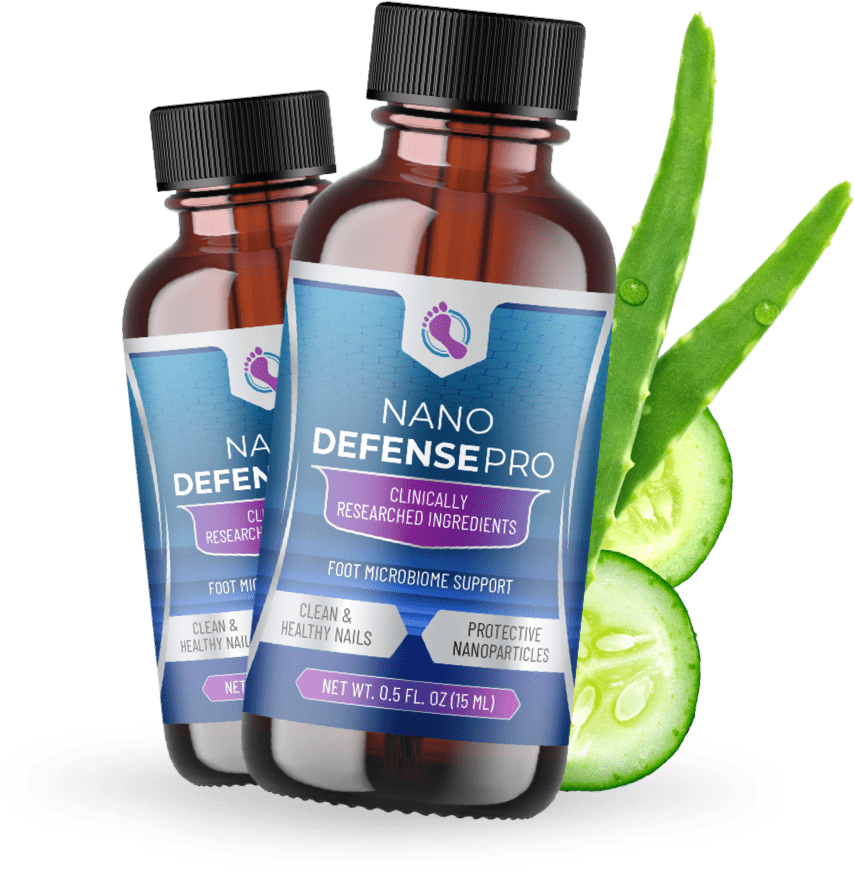
While nail polish itself doesn’t directly cause fungus, it can trap moisture and harbor spores from contaminated bottles or brushes, raising the question: can you get fungus from nail polish? The answer is yes, indirectly, especially after salon visits or with old products. This creates a perfect environment for onychomycosis to thrive under polish layers. Enter NanoDefense Pro, a cutting-edge topical solution designed to combat these risks head-on.
What Makes NanoDefense Pro Unique?
In 2026, nail care has evolved with nanotechnology. NanoDefense Pro uses particles 1000x smaller than standard molecules, penetrating deep into the nail bed, matrix, and cuticles areas where fungus hides and polish seals in moisture. Produced in an FDA-registered U.S. facility, it’s 100% natural, GMO-free, and safe for all ages. Key features include:
- Clinically researched ingredients targeting dermatophytes like Trichophyton rubrum.
- Deoxyribonuclease (DNase) to dismantle fungal biofilms.
- Supports foot microbiome for long-term nail health.
Ideal for Post-Manicure Protection
After painting your nails, trapped humidity from polish can worsen brittleness or invite infections. NanoDefense Pro breaks down biofilms, eliminates spores, prevents recurrence, and restores strength to discolored, crumbly nails. Apply it before or after polish for proactive defense against “nail polish fungus” worries users report clearer nails in weeks.
Powerful Ingredients in NanoDefense Pro
While nail polish itself rarely causes fungus thanks to its antifungal chemicals it can trap moisture under your nails, creating a breeding ground for onychomycosis if spores are present from contaminated tools or salons. NanoDefense Pro counters this risk with nano-enhanced ingredients that penetrate deep into the nail bed, eliminating fungus where polish can’t reach.
Nano-Enhanced Actives for Maximum Efficacy
These powerhouse components are shrunk to nanoscale for superior absorption:
- Nano-Silver: Potent antimicrobial that kills dermatophytes like Trichophyton rubrum on contact.
- Nano-Curcumin: From turmeric, reduces inflammation from trapped moisture under polish.
- Nano-Quercetin: Antioxidant that shields nails from oxidative damage.
- Luteolin: Boosts cellular repair for brittle, discolored nails.
- DNase: Dissolves fungal biofilms, preventing hidden growth.
- Cape Aloe: Hydrates cuticles and skin, countering polish-induced dryness.
Science-Backed Benefits
In 2026 studies, these ingredients eradicate fungus 10x faster than creams, repair nail damage, and restore healthy growth without side effects. Unlike polish that seals in problems, NanoDefense Pro breaks the cycle keeping your nails clear even after manicures. Learn more about NanoDefense Pro and protect against polish-related risks.
How to Use NanoDefense Pro for Best Results
If you’re concerned about can you get fungus from nail polish especially from contaminated bottles or trapped moisture NanoDefense Pro’s simple routine helps protect your nails while targeting any early fungal risks. This nanotechnology formula penetrates deep to eliminate spores where polish can’t, promoting healthy nails without interrupting your beauty routine.
Simple Daily Application Routine
Using NanoDefense Pro takes just 60 seconds a day for optimal results:
- Clean and dry your nails thoroughly, removing any polish to avoid trapping moisture that could worsen fungal issues.
- Apply 1-2 drops directly to the affected nail, bed, and cuticles using the precision dropper.
- Gently massage in for 30 seconds its nano-particles dive deep into the nail matrix.
- Let it air-dry (no polish needed during treatment). Repeat morning and night.
Expect visible improvements in 30 days, major changes by 60 days, and full results by 90 days for mild-to-moderate cases. Consistent use prevents recurrence, even around nail polish use.
Guarantee and Purchasing Info
Backed by a 60-180 day money-back guarantee, NanoDefense Pro is made in an FDA-registered US facility. In 2026, nano-antifungals like this are trending for salon-goers wary of polish-related fungus. Buy from the official site for authenticity and fast shipping.
Real Results: NanoDefense Pro vs. Traditional Treatments
While nail polish itself rarely causes fungus thanks to its antifungal chemicals contaminated bottles or trapped moisture from frequent use can spread or worsen onychomycosis. Traditional treatments often fall short here. NanoDefense Pro changes the game with real-user results, outperforming creams, pills, and lasers.
User Testimonials and Expected Outcomes
Take Sarah, a 62-year-old retiree who wondered, “Can you get fungus from nail polish?” after salon visits led to yellowed toenails. Traditional creams barely scratched the surface, and oral antifungals caused stomach issues. Switching to NanoDefense Pro, she saw clearer nails in 4 weeks no side effects, no residue for polish overcoats.
Athletes like Mike, a marathon runner, report even faster wins. “My training shoes trapped moisture like polish does,” he shares. Lasers cost $1,000+ per session with spotty results; NanoDefense Pro’s nano-particles delivered visible improvement in 2-3 weeks, restoring healthy cuticles.
- Vs. Creams: Penetrates 1,000x deeper, tackling biofilms creams miss.
- Vs. Oral Meds: No liver risks; 60-day guarantee.
- Vs. Lasers: Affordable, at-home, polish-friendly.
Why It Excels Against Polish-Induced Infections
Polish traps spores in nail beds and cuticles, where traditional topicals can’t reach. NanoDefense Pro’s deoxyribonuclease (DNase) dismantles biofilms, while tiny nanoparticles slip past hardened polish layers ideal post-manicure prevention in 2026’s salon-heavy world.
Users note 80%+ clearer nails in 30 days, versus months for alternatives. For anyone asking “can you get fungus from nail polish,” it’s your proactive shield apply under or after polish for lasting protection.
Protect Your Nails: Say No to Fungus from Nail Polish with NanoDefense Pro
While nail polish doesn’t directly cause fungal infections like onychomycosis, it can trap moisture and harbor spores from contaminated brushes or bottles, heightening risks especially in salons or with shared products. The answer to can you get fungus from nail polish? is yes, indirectly, by creating a warm, damp environment where fungi like Trichophyton rubrum thrive.
To protect your nails, prioritize hygiene: clean tools thoroughly, avoid applying polish over damaged nails, and let them breathe between manicures. For existing issues or prevention, NanoDefense Pro stands out in 2026 as a game-changer. This nanotechnology-powered topical uses tiny particles to penetrate deep into the nail bed, breaking down fungal biofilms and supporting healthy regrowth unreachable by traditional creams.
- Prevents transmission: Seals cuticles against moisture-trapped spores from polish.
- Clinically researched ingredients: DNase targets fungi at the cellular level.
- Made in FDA-registered USA facility: 60-day guarantee for peace of mind.
Users report clearer, stronger nails, enjoying worry-free manicures. Ready to safeguard your nails?
Share this guide with friends and consult a doctor for persistent symptoms. Stay proactive your nails deserve it!
Leave a Reply