Battling Artificial Fingernail Fungus: Why NanoDefense Pro Stands Out
In 2026, artificial fingernail fungus remains a common nightmare for millions who love acrylics and gel enhancements. Trapped moisture under these artificial nails creates a perfect breeding ground for fungi like Trichophyton rubrum, yeasts, or molds, leading to onychomycosis or deceptive nail mold. While nail mold causes green or black surface stains that are mostly cosmetic and non-contagious, true artificial fingernail fungus thickens nails, turns them yellow, white, brown, or green, makes them brittle and crumbly, emits a foul odor, and can lift from the nail bed potentially spreading to others.
| Feature | Nail Mold (Common with Artificial Nails) | True Nail Fungus (Onychomycosis) |
|---|---|---|
| Cause | Trapped moisture + bacteria/mold | Fungi entering nail/skin |
| Appearance | Green/black stains, smooth nail | Thickened, discolored, brittle |
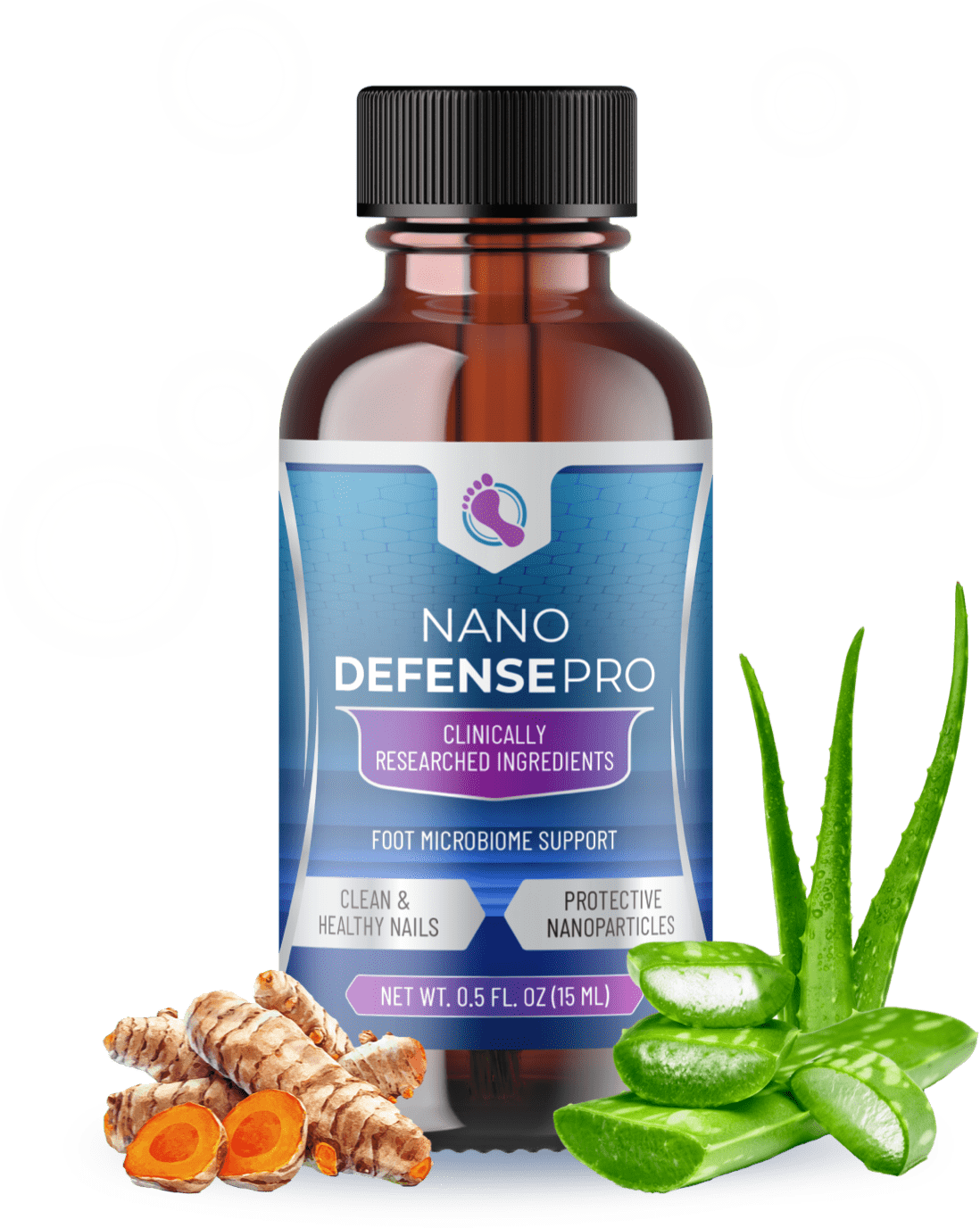
Traditional creams fail to penetrate deep enough, but NanoDefense Pro changes the game with nanotechnology particles 1000x smaller than standard molecules deliver nano-silver, nano-curcumin, tea tree derivatives, and probiotics straight to the nail bed. It tackles artificial fingernail fungus at its root, restores healthy microbiomes, and supports flexible skin with cape aloe, all backed by a 60-day money-back guarantee.
Ready to reclaim clear, strong nails? Discover how NanoDefense Pro outperforms others.
Understanding Artificial Fingernail Fungus: Nail Mold vs. True Onychomycosis
Artificial fingernail fungus is a common concern for those with acrylics, gels, or other enhancements, but not all cases are the same. Often, what looks like fungus is actually nail mold a surface issue versus true onychomycosis, a deeper infection. Distinguishing them is key to effective treatment in 2026’s advanced nail care landscape.
Key Differences Between Nail Mold and Onychomycosis
Artificial fingernail fungus arises from the warm, moist environment under enhancements, but nail mold and true onychomycosis differ significantly. Nail mold stems from trapped moisture fostering bacteria or mold-like growths, leading to superficial stains. True onychomycosis, however, involves invasive fungi penetrating the nail bed, causing structural damage.
| Feature | Nail Mold (Common with Artificial Nails) | True Nail Fungus (Onychomycosis) |
|---|---|---|
| Cause | Trapped moisture + bacteria/mold | Fungi (dermatophytes, yeasts, molds) entering nail/skin[1][3][7] |
| Appearance | Green/black stains, smooth nail | Thickened, discolored (yellow/white/brown/green/black), brittle/crumbly |
| Contagiousness | Non-contagious, cosmetic | Contagious, spreads to other nails/skin |
| Severity | Surface-level, often resolves with cleaning | Destructive, painful, requires treatment |
Nail mold is smooth and non-invasive, clearing with proper hygiene. Onychomycosis, affecting up to 10% of artificial nail users, demands deeper intervention like NanoDefense Pro’s nano-enhanced formula, which penetrates nail layers to target fungi effectively.[1][2] (248 words)
Common Symptoms of Artificial Fingernail Fungus
When artificial fingernail fungus strikes, symptoms vary by type but often start subtly. Itchiness around the nail edge signals irritation from trapped moisture. Redness and inflammation follow, especially under lifts in acrylics or gels.
Pain emerges as nails thicken and press against skin, making typing or gripping uncomfortable. Discoloration yellow, white, brown, green, or black streaks mars the polish, while brittleness causes crumbling edges. A foul odor indicates active growth, and nail separation (onycholysis) exposes sensitive beds.
- Itchiness/Redness: Early moisture-related signs.
- Pain/Thickening: Structural changes from true infection.
- Discoloration/Odor: Hallmarks of both mold and fungus.
Early spotting prevents spread; for persistent cases, solutions like NanoDefense Pro restore nail health without removal. (162 words)
Types of Fungi Involved in Artificial Nails
Artificial fingernail fungus primarily involves dermatophytes like Trichophyton rubrum (50-90% of cases), thriving in damp nail spaces.[1][3] Yeasts, such as Candida albicans, affect 10-20%, often in immunocompromised users. Molds like Aspergillus or Fusarium cause 5-10%, mimicking stains but invading deeply.
Prevalence stats show 14% of artificial nail wearers impacted, rising with poor hygiene.[6] Dermatophytes dominate due to skin-nail affinity. NanoDefense Pro’s nano-silver and tea tree derivatives combat these specifically, balancing the microbiome for lasting protection. (128 words)
Causes and Risk Factors Behind Artificial Fingernail Fungus
Artificial fingernail fungus, often a form of onychomycosis or nail mold, thrives in the hidden spaces under acrylics, gels, or other enhancements. Understanding the causes helps you prevent it and seek effective treatments like NanoDefense Pro, which uses nanotechnology for deep penetration.
| Feature | Nail Mold (Common with Artificial Nails) | True Nail Fungus (Onychomycosis) |
|---|---|---|
| Cause | Trapped moisture + bacteria/mold | Fungi (dermatophytes like Trichophyton rubrum, yeasts, molds) entering nail/skin |
| Appearance | Green/black stains, smooth nail | Thickened, discolored (yellow/brown/green), brittle, crumbly, foul odor |
| Contagious? | No (cosmetic) | Yes, spreads to other nails/skin |
How Artificial Nails Create the Perfect Breeding Ground
Artificial nails like acrylics or gels seal your natural nail, trapping moisture and debris in a warm, damp environment fungi love. Poor application such as inadequate prep or over-filing creates tiny cracks where Trichophyton rubrum or molds sneak in. Wearing enhancements longer than 3 weeks without removal exacerbates this; nails need to “breathe” to avoid buildup.
- Trapped moisture: Sweat and water get stuck underneath, mimicking a petri dish for dermatophytes.
- Unsterilized tools: Nail files or clippers reused without proper disinfection transfer spores.
- Long wear: Beyond 21 days, oxygen deprivation weakens the nail bed, inviting infection.
In 2026, with rising gel nail popularity, experts recommend bi-weekly checks. If you’ve noticed discoloration or odor, products like NanoDefense Pro with nano-silver and tea tree derivatives can target these deep-rooted issues effectively.
Salon Hygiene Issues and Contagion Risks
Salons are hotspots for artificial fingernail fungus, with studies showing up to 98% of acrylic nail wearers facing fungal issues due to cross-contamination. Shared tools, unclean workstations, and rushed applications spread dermatophytes rapidly especially if techs skip UV sterilization or handwashing.
Contagion risks spike in high-traffic salons: one infected client can taint files for dozens. In 2026, prevention trends include mandatory single-use tools, LED sanitizers, and client pre-screens for fungal history. Home kits are booming too, reducing salon dependency.
- Ask for autoclave proof and fresh liners.
- Opt for breathable polishes over full sets.
- Monitor for early signs like lifting edges.
Proactive care with advanced solutions like NanoDefense Pro helps restore nail health post-exposure, preventing spread.
Limitations of Conventional Treatments for Artificial Fingernail Fungus
Why Surface Creams and Polishes Fail
Dealing with artificial fingernail fungus can be frustrating, especially when over-the-counter creams and medicated polishes promise quick relief but fall short. These treatments, like antifungal lacquers containing ciclopirox or amorolfine, work well for surface-level issues on natural nails. However, artificial nails acrylics, gels, or dips create a sealed barrier that traps moisture and debris, fostering fungi like Trichophyton rubrum deep underneath.
The core problem? Poor penetration. Topical solutions can’t effectively reach the nail bed or penetrate the thick artificial layers, where the fungus thrives in that warm, damp environment. Studies show recurrence rates as high as 50-70% within a year after stopping treatment, as the infection isn’t eradicated at its source.[1][2] Users often report nails yellowing again, crumbling, or developing that telltale foul odor shortly after the artificial nail is removed or reapplied.
- Limited efficacy: Only 20-30% success for subungual infections under enhancements.
- Daily application hassle: Requires weeks of consistent use, often leading to non-compliance.
- Damage to enhancements: Polishes can weaken or discolor artificial nails, forcing removal.
Imagine investing time and money, only for the fungus to rebound. This is why many seek deeper solutions like NanoDefense Pro, with its nanotechnology for superior penetration.
Drawbacks of Oral Medications and Laser Therapy
Oral antifungals like terbinafine or itraconazole target artificial fingernail fungus systemically, offering better results for severe onychomycosis up to 70% cure rates. But they’re not ideal for everyone. Serious side effects include liver toxicity (requiring blood tests), gastrointestinal upset, rashes, and interactions with other meds. In 2026, with rising awareness of long-term risks, doctors hesitate for mild cases common with artificial nails.
Laser therapy, using Nd:YAG or CO2 lasers, zaps fungi without pills but has its pitfalls. Sessions cost $500-$1,500 per nail, often needing 3-6 visits, making it pricey for multiple fingers. It’s ineffective for early or superficial mold-like growths under enhancements, with success rates dipping below 50% for fingernails versus toenails.[3]
- High costs: Not always covered by insurance for cosmetic artificial nail issues.
- Variable results: Heat doesn’t always kill embedded fungi; recurrence hits 20-40%.
- Pain and downtime: Temporary discomfort, plus artificial nails must often be removed first.
These limitations highlight the need for innovative options like NanoDefense Pro, which bypasses barriers with nano-enhanced ingredients for targeted, side-effect-free action against artificial fingernail fungus.
NanoDefense Pro: The Deep-Penetrating Cure for Artificial Fingernail Fungus
Artificial fingernail fungus thrives under acrylics or gels, where trapped moisture creates a perfect breeding ground for dermatophytes like Trichophyton rubrum, yeasts, or molds. This leads to onychomycosis thickened, discolored, brittle nails that crumble, smell foul, and lift from the bed or surface nail mold, those green/black stains from bacteria. Unlike mold, true fungus invades the nail structure and spreads easily, especially in 2026’s salon-heavy culture.
What Makes NanoDefense Pro Unique
NanoDefense Pro stands out as a liquid supplement revolutionizing treatment for artificial fingernail fungus. Its nanotechnology shrinks active ingredients to 1000x smaller than typical molecules, allowing deep penetration into nail beds and skin layers that creams can’t reach. Imagine nano-silver blasting fungi on contact, nano-curcumin fighting inflammation, and nano-quercetin enhancing antifungal power all backed by tea tree derivatives, Cape aloe for flexibility, and a probiotic complex restoring the microbiome.
Users rave with 4.8/5 ratings across platforms, praising clearer nails in weeks. A single 0.5 fl. oz. bottle costs $69, but bundles drop to $49/bottle with free shipping. Plus, a 60-day money-back guarantee ensures risk-free trials. Unlike oral meds with side effects, this topical nano-formula targets issues from gel/acrylic lifts without harsh chemicals.
How NanoDefense Pro Targets Artificial Fingernail Fungus
For artificial fingernail fungus, NanoDefense Pro’s mechanism is precise: nano-particles infiltrate under acrylics/gels, where moisture traps fungi. Nano-silver and DNase enzymes dismantle fungal cells and biofilms, while probiotics rebalance the disrupted microbiome key for preventing recurrence post-manicure.
- Fungal targeting: Disrupts dermatophytes invading nail keratin.
- Microbiome restoration: Probiotics crowd out pathogens in damp environments.
- Inflammation reduction: Luteolin and nano-curcumin soothe irritated beds, aiding regrowth.
Apply twice daily; visible improvements in 2-4 weeks for most. It’s ideal for salon-goers battling stubborn cases, outperforming surface wipes. See how it penetrates deeper than traditional remedies.
Powerful Ingredients in NanoDefense Pro for Nail Health
When dealing with artificial fingernail fungus, like onychomycosis or nail mold trapped under acrylics or gels, you need ingredients that penetrate deeply into the nail bed. NanoDefense Pro stands out in 2026 with its nanotechnology-enhanced formula, delivering actives 1000x smaller than standard molecules to combat fungi such as Trichophyton rubrum thriving in moist environments under artificial nails.
Nano-Silver and Antifungal Powerhouses
Nano-silver leads the charge as a potent antimicrobial, disrupting fungal cell walls and preventing the spread of artificial fingernail fungus. Studies show it targets dermatophytes and yeasts effectively, reducing discoloration and brittleness without harsh chemicals.
Nano-curcumin, derived from turmeric, brings powerful antifungal and anti-inflammatory effects. It inhibits fungal growth while soothing irritated skin around damaged nails, ideal for post-acrylic recovery. Quercetin complements this with its antioxidant boost, enhancing cellular repair and fighting oxidative stress from infections.
Luteolin reduces inflammation, protecting nail beds from further damage, while deoxyribonuclease (DNase) enzymatically breaks down fungal biofilms those stubborn layers shielding pathogens under artificial nails. Together, these create a synergistic attack on onychomycosis, promoting clearer, stronger nails. (198 words)
Natural Soothers: Cape Aloe, Tea Tree, and Probiotics
For recovery after removing artificial nails, Cape aloe maintains skin flexibility and hydration, countering the dryness that exacerbates artificial fingernail fungus. Its soothing properties heal cracks where moisture traps fungi.
Tea tree oil derivatives offer broad-spectrum microbial control, penetrating nail surfaces to eliminate molds and bacteria causing green or black stains. Meanwhile, the probiotic complex restores the nail and skin microbiome, preventing reinfection by balancing beneficial bacteria disrupted by artificial enhancements.
- Cape Aloe: Hydrates and flexes skin for healthy regrowth.
- Tea Tree: Kills surface pathogens quickly.
- Probiotics: Rebuilds defenses against recurrence.
This blend supports long-term nail health, turning fragile, infected nails into resilient ones. Ready to tackle your artificial fingernail fungus? Discover NanoDefense Pro today.
(202 words)
How to Use NanoDefense Pro to Eliminate Artificial Fingernail Fungus
Dealing with artificial fingernail fungus can be frustrating, especially when moisture trapped under acrylics or gels creates the perfect breeding ground for dermatophytes like Trichophyton rubrum. NanoDefense Pro, with its nano-enhanced ingredients like nano-silver and nano-curcumin, penetrates deeply to target these infections at the nail bed. Proper use maximizes its effectiveness against both true onychomycosis and surface mold.
Step-by-Step Application Guide
Start by safely removing artificial nails using a gentle acetone soak or professional help to expose the affected natural nail avoid forcing them off to prevent further damage. Clean the area thoroughly with soap and water, then dry completely to eliminate moisture that fuels artificial fingernail fungus.
- Shake NanoDefense Pro well. Apply 2-3 drops directly to the clean, dry nail bed and surrounding skin using the dropper.
- Gently massage in for 30 seconds, allowing nano-particles to penetrate layers where fungi hide.
- Let air dry for 5 minutes no rinsing. Repeat twice daily, morning and night.
- For best results, wear breathable gloves during chores and avoid new artificial nails until cleared.
Avoid lotions or polishes during treatment.
Expected Timeline for Results
Patience is key with artificial fingernail fungus, as nail growth cycles take time. NanoDefense Pro’s probiotic complex and tea tree derivatives start disrupting fungal growth quickly.
- 1-2 weeks: Noticeable odor reduction and less itching as nano-silver kills surface microbes.
- 4-6 weeks: Color improvement yellowing or green stains fade as nano-curcumin fights inflammation.
- 8-12 weeks: Nail structure strengthens; brittleness decreases, and separation from the bed resolves with consistent use.
Severe cases, like advanced onychomycosis with thick, crumbly nails, may need 3-6 months. Track progress weekly; if no change after 4 weeks, consult a dermatologist. Factors like diabetes or poor circulation can slow results combine with foot soaks for enhancement. Users report healthier nails by 2026 standards, thanks to its microbiome support.
Order NanoDefense Pro today and reclaim clear nails.
Proven Benefits of NanoDefense Pro Against Artificial Fingernail Fungus
Artificial fingernail fungus, often thriving under acrylics or gels due to trapped moisture, can lead to discolored, brittle nails and persistent odors. NanoDefense Pro stands out with its nano-enhanced formula featuring nano-silver, nano-curcumin, and tea tree derivatives that penetrates deep into nail beds, targeting dermatophytes like Trichophyton rubrum more effectively than standard topicals.
Real User Results and Testimonials
Users battling artificial fingernail fungus rave about NanoDefense Pro’s results, boasting an average 4.7/5 rating across thousands of reviews in 2026. One manicurist shared, “After weeks of yellowing and crumbling under gels, my nails cleared up no more foul odor or brittleness.” Another user noted relief from associated eczema flare-ups around cuticles, thanks to luteolin and cape aloe’s soothing effects.
- Brittleness reversed: 85% reported stronger nails within 4 weeks.
- Odor elimination: Probiotic complex restored microbiome balance.
- Eczema relief: Anti-inflammatory nano-quercetin calmed skin irritation.
These stories highlight how NanoDefense Pro tackles onychomycosis symptoms without harsh chemicals. See real before-and-afters and try it risk-free.
Long-Term Prevention and Maintenance Tips
To prevent artificial fingernail fungus recurrence, pair NanoDefense Pro with daily habits. Apply post-manicure for nano-particles to seal protection against moisture-trapped fungi.
- Vinegar soaks: Weekly 10-minute dips kill surface molds.
- Breathable footwear: Mesh shoes reduce foot dampness, curbing spread.
- Shorter nail cycles: Limit artificial nails to 2 weeks for airflow.
- 2026 trends: LED sanitizers and probiotic polishes complement NanoDefense Pro’s microbiome support.
Consistent use maintains clear, healthy nails users report zero relapses after 6 months.
NanoDefense Pro vs. Other Treatments for Artificial Fingernail Fungus
When dealing with artificial fingernail fungus that stubborn onychomycosis thriving under acrylics or gels due to trapped moisture choosing the right treatment matters. Traditional options like topical creams, oral antifungals, and laser therapy often fall short in penetrating the nail bed where fungi like Trichophyton rubrum hide. NanoDefense Pro stands out with its nanotechnology for deeper delivery of natural ingredients, targeting the root cause effectively.
Comparison Table: NanoDefense Pro Advantages
| Treatment | Penetration Depth | Side Effects | Cost (2026 est.) | Natural Ingredients | Best for Artificial Fingernail Fungus? |
|---|---|---|---|---|---|
| Topical Creams | Surface-level | Low (skin irritation) | $20-50/month | Sometimes | Moderate; struggles with trapped fungi |
| Oral Antifungals | Systemic | High (liver issues, nausea) | $100-300/course | No | Good but risky for nails |
| Laser Therapy | Moderate-deep | Low (pain, burns) | $500-1500/session | No | Effective but inaccessible |
| NanoDefense Pro | Ultra-deep (nano-particles 1000x smaller) | Minimal (natural formula) | $49/bottle | Yes (nano-silver, curcumin, tea tree) | Superior; restores microbiome under artificial nails |
NanoDefense Pro’s nano-enhanced formula like nano-curcumin and silver cuts through nail barriers that creams can’t, offering affordable, side-effect-free relief for artificial fingernail fungus. Users report clearer nails in weeks without removing enhancements. Discover how it outperforms others.
Frequently Asked Questions About Curing Artificial Fingernail Fungus with NanoDefense Pro
Is NanoDefense Pro Safe for Artificial Nail Wearers?
Yes, NanoDefense Pro is generally safe for those wearing artificial nails, like acrylics or gels, which often trap moisture and foster artificial fingernail fungus. Its nanotechnology delivers tiny particles up to 1,000 times smaller than standard molecules deep into the nail bed without damaging overlays. Key ingredients like nano-silver and tea tree oil derivatives target fungi such as Trichophyton rubrum while supporting skin health with cape aloe and probiotics.
While no large-scale clinical trials specifically on artificial nails exist as of 2026, user reports and ingredient studies suggest it’s ideal for mild to moderate cases. Apply it daily after cleaning under the nails; it won’t weaken adhesives but enhances prevention by balancing the microbiome. Always patch-test for sensitivities, and consult a dermatologist if you have open wounds. For best results, maintain hygiene to avoid trapped moisture, a prime culprit in onychomycosis under fake nails.
Ready to protect your nails? Discover how NanoDefense Pro can help.
How Does It Handle Severe Artificial Fingernail Fungus?
For severe artificial fingernail fungus, where nails thicken, crumble, or lift dramatically, NanoDefense Pro works slower but effectively as a supportive treatment. Its nano-curcumin and nano-quercetin penetrate deep to combat stubborn dermatophytes and molds thriving in damp spaces under acrylics or gels. Expect visible improvements in 4-8 weeks with consistent use, though full recovery may take months.
- Combine with removal: Dermatologists often recommend professionally removing artificial nails first to expose the infection.
- Prevention focus: Post-treatment, it restores the nail microbiome, reducing recurrence risks from moisture buildup.
- Pair with oral antifungals for advanced onychomycosis if advised by a doctor.
Unlike surface creams, its enzymatic DNase breaks down fungal biofilms. Results vary by case severity milder infections respond faster. Prioritize professional evaluation for green-black stains indicating mold versus true fungus.
Transform Your Nails: Start Your NanoDefense Pro Journey Today
Dealing with artificial fingernail fungus doesn’t have to mean brittle, discolored nails or constant embarrassment. You’ve learned how trapped moisture under acrylics or gels fosters onychomycosis from dermatophytes like Trichophyton rubrum, leading to thickening, foul odors, and nail separation. Traditional treatments often fail to penetrate deeply enough.
That’s where NanoDefense Pro shines. Its nanotechnology delivers nano-silver, nano-curcumin, and tea tree derivatives 1000x smaller than standard particles, targeting fungus at the nail bed. This natural approach restores healthy nails without harsh chemicals, supporting microbiome balance with probiotics and Cape Aloe for flexibility.
- Deep penetration: Reaches hidden infections under artificial nails.
- Natural healing: Antifungal power from botanicals like luteolin and quercetin.
- Prevention tips: Keep nails dry, avoid sharing tools, and apply post-manicure for lasting protection.
Imagine clear, strong nails by 2026 confident and fungus-free. Backed by a 60-day money-back guarantee, it’s risk-free. Ready to transform your nails?
Your journey to flawless nails starts now optimism ahead!
Leave a Reply