Confused by Discolored Toenails? Nail Trauma vs Fungus Explained
Have you noticed your toenails turning yellow, thick, or brittle? You’re not alone millions mistake nail trauma vs fungus every year, leading to ineffective treatments and prolonged frustration. A stubbed toe or tight shoes can mimic a fungal infection, but getting it right is key to restoring healthy nails.
In nail trauma vs fungus, trauma often strikes suddenly from injury or repetitive pressure, causing the nail to thicken as a protective response. Fungus (onychomycosis), however, creeps in gradually, starting at the tip and potentially spreading. Both cause discoloration and brittleness, but accurate diagnosis prevents wasted time on the wrong fix.
| Feature | Nail Trauma | Nail Fungus |
|---|---|---|
| Onset | Sudden after injury; gradual from chronic stress | Gradual over weeks/months from nail tip |
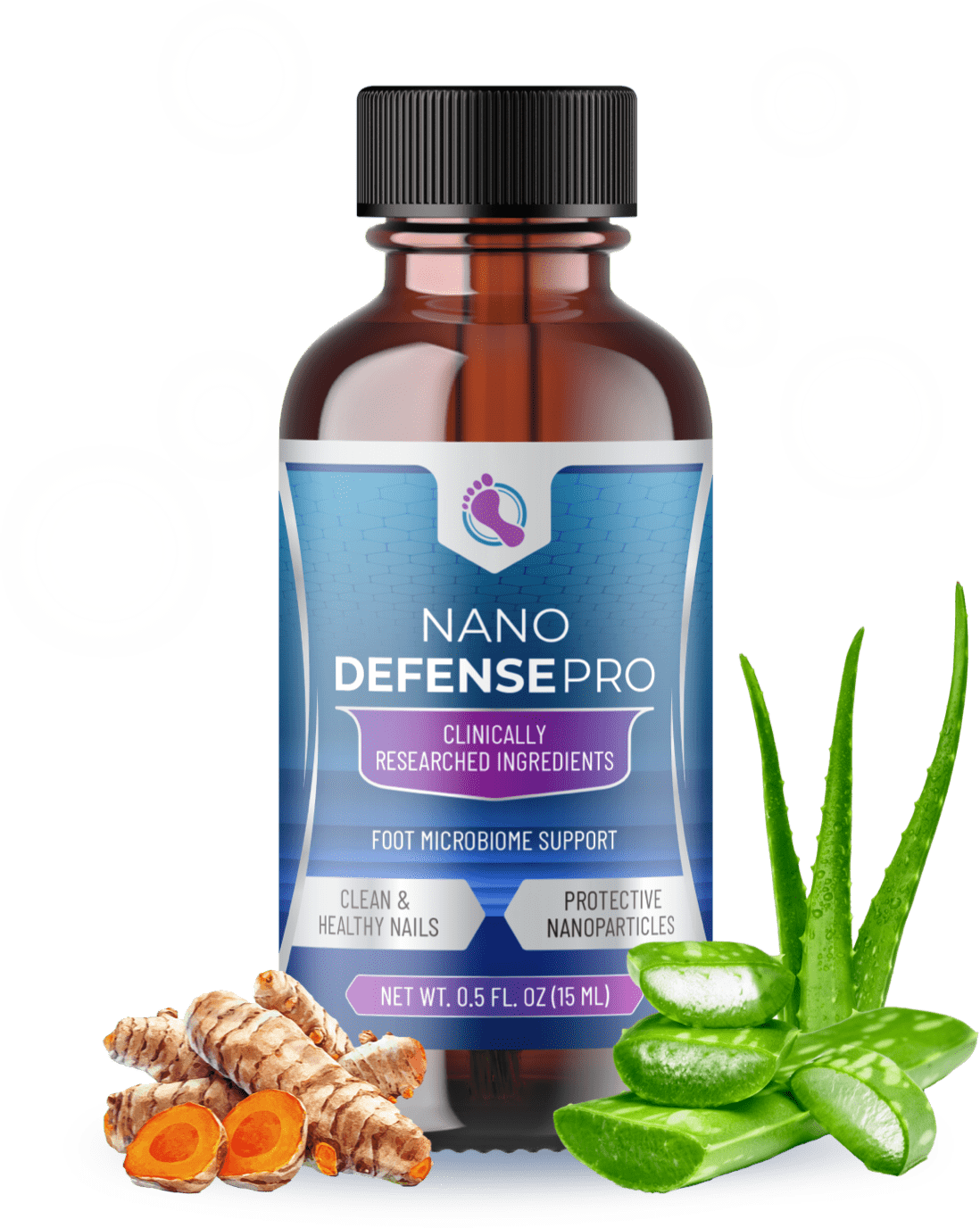
This guide breaks down nail trauma vs fungus with clear signs, then spotlights NanoDefense Pro a nano-tech solution for confirmed fungal cases that penetrates where others fail. Stick around for expert tips and real results.
What Exactly is Nail Trauma?
Have you ever wondered why your toenail suddenly looks thick, discolored, or deformed after banging your toe? That’s classic nail trauma vs fungus confusion. Nail trauma is physical damage to the nail or its growth matrix from injuries, not an infection like fungus (onychomycosis). It prompts your body to overproduce nail layers as protection, causing thickening without pathogens involved. Unlike fungus, which spreads gradually, trauma is often isolated and non-contagious.
Acute Nail Trauma: Sudden Injuries and Hematomas
Picture stubbing your toe hard on furniture or getting crushed during a soccer game. Acute trauma causes immediate bruising (hematoma) under the nail, turning it purple or black. Pain, swelling, and temporary separation from the nail bed follow. The nail may lift or fall off, regrowing deformed if the matrix is damaged. These symptoms mimic early fungus but hit suddenly post-injury.
Chronic Nail Trauma: Repetitive Pressure and Thickening
Repetitive stress builds slowly. Tight shoes, long runs, or hiking cram toes, leading to gradual thickening, splitting, or ridging. It usually affects one or a few nails under pressure, not spreading like fungus. In 2026, with more active lifestyles, runners and athletes report this often nails toughen as a defense but look unhealthy.
Common Causes and Risk Factors for Nail Trauma
Everyday culprits include:
- Improper footwear (too tight or narrow).
- Sports impacts or manual labor (dropping tools on toes).
- Repetitive activities like dancing or cycling.
It’s non-infectious, so no antifungals needed. But misdiagnosing as fungus wastes time trauma heals with rest and proper shoes.
If nail trauma vs fungus leaves doubt and signs point to infection (spreading yellowing), NanoDefense Pro’s nano-tech formula penetrates deep to fight real fungus.
Understanding Nail Fungus (Onychomycosis)
In the debate of nail trauma vs fungus, grasping onychomycosis is key unlike the sudden thickening from stubbing your toe, fungal infections creep in gradually, invading the nail bed and plate. Caused by pathogens like dermatophytes, it affects up to 14% of adults by 2026, often mimicking trauma but spreading contagiously.
Types of Nail Fungus: DSO, PSO, and More
The most common is distal subungual onychomycosis (DSO), starting as a yellow spot at the nail tip, progressing to crumbly, thickened nails. Proximal subungual onychomycosis (PSO) begins at the base frequently linked to prior nail trauma creating entry points and is rarer, signaling immune issues. Other types include superficial white onychomycosis (powdery white patches) and total dystrophic (full nail destruction).
Symptoms and Progression of Fungal Infections
Expect a slow onset over weeks: nails turn yellow-brown, become brittle and crumbly, with debris under the tips and a musty odor. Unlike isolated nail trauma, fungus spreads to other nails or skin, worsening in moist environments. Early signs? Subtle discoloration at edges, escalating to pain and separation from the bed.
Causes and Who is Most at Risk
- Dermatophytes (e.g., Trichophyton): Thrive in warm, damp spots like showers.
- Yeasts (Candida) and molds: Common in diabetics.
Risk factors: Age over 60, diabetes, poor circulation, athlete’s foot, or tight shoes. Nail trauma predisposes by breaching barriers trauma alone thickens without spread, but combined? Perfect storm for fungus.
For confirmed fungus, advanced options like NanoDefense Pro use nanoparticles to penetrate where creams fail, targeting infections post-trauma. Learn how NanoDefense Pro differentiates and defeats fungus.
Nail Trauma vs Fungus: Spotting the Key Differences
Confused about nail trauma vs fungus? Both can make your toenails look thick, discolored, and unhealthy, but spotting the differences is key to the right treatment. Nail trauma comes from physical injury, while fungus is an infection. Let’s break it down step by step in 2026’s foot health landscape, where precise diagnosis prevents wasted time on wrong remedies.
Onset, Pain, and Color Changes Compared
Nail trauma often hits suddenly after stubbing your toe or dropping something heavy think throbbing pain right away, followed by bruising in blues, purples, or blacks under the nail. Chronic trauma from tight shoes builds gradually with mild discomfort and irregular growth.
Fungus, or onychomycosis, creeps in gradually over weeks or months, starting as a small white or yellow spot at the tip. Pain is usually mild or absent until advanced, with uniform yellow, brown, or white discoloration no dramatic bruises.
Texture, Spread, and Other Telltale Signs
Trauma leads to thickened, curved nails that feel hard and protective, often isolated to one nail. No spreading, but you might see ridges or splits from the injury.
Fungus nails turn crumbly, brittle, and powdery, with debris under the nail. It spreads to other nails or skin, signaling infection. Here’s a quick comparison:
| Feature | Nail Trauma | Nail Fungus |
|---|---|---|
| Onset | Sudden or gradual from stress | Gradual, tip/sides first |
| Pain | Throbbing post-injury | Mild or none |
| Color | Bruised (blue/purple) | Uniform yellow/brown |
| Texture/Spread | Thick/curved, isolated | Crumbly/spreading |
Visual Guide: Images and Examples
Picture a bruised, swollen single nail for trauma painful and contained. Fungus shows multiple crumbly, yellow nails with lifting edges. Consult a podiatrist for confirmation, but if fungus is suspected, advanced options like NanoDefense Pro use nano-tech to target infections effectively, penetrating where others fail.
Why Misdiagnosing Nail Trauma as Fungus is a Common Mistake
Thickened, discolored nails often spark panic over nail trauma vs fungus, but many rush to antifungal treatments without confirming the cause. Nail trauma from stubbing your toe or tight shoes mimics fungus with sudden thickening and brittleness, while true onychomycosis creeps in gradually from the tip. This mix-up is widespread because both share symptoms like deformity and yellowing, yet misdiagnosis delays proper care.
Risks of Applying Antifungals to Trauma
Slathering antifungal creams on trauma-damaged nails wastes time and money. These topicals don’t address the root issue excess nail layers from injury so healing stalls. Worse, harsh chemicals can irritate the sensitive nail bed, causing redness, itching, or allergic reactions. In 2026, with rising awareness of skin sensitivities, unnecessary antifungals prolong discomfort without results. Instead, trauma needs protection and time for the matrix to recover naturally.
- Wasted resources: Months of ineffective creams add up financially.
- Delayed recovery: Ignores the body’s protective response.
- Side effects: Potential for dryness or inflammation from topicals.
The Overlap: How Trauma Predisposes to Real Fungus
Here’s the twist in nail trauma vs fungus: cracks from trauma create perfect entry points for dermatophytes or yeasts, turning simple injury into infection. What starts as repetitive pressure from running shoes can invite fungus, leading to spread across nails or skin. Early detection is key professional tests like microscopy distinguish them.
For confirmed fungal cases post-trauma, NanoDefense Pro stands out with its nano-encapsulated formula, penetrating deep to target pathogens without irritating damaged nails. See real results against stubborn infections.
Professional Diagnosis: Essential for Nail Trauma vs Fungus
Distinguishing nail trauma vs fungus isn’t always straightforward both can cause thick, discolored, brittle nails. But self-diagnosing risks ineffective treatments. In 2026, podiatrists use advanced tools for accurate results, ensuring you target the real issue.
Tests and Exams Podiatrists Use
Podiatrists start with a detailed history: Did symptoms follow an injury (trauma) or develop gradually (fungus)? Key exams include:
- Microscopy (KOH test): Scrapings viewed under a microscope reveal fungal elements absent in trauma.
- Culture: Nail samples grown in a lab confirm dermatophytes or yeasts, taking 2-4 weeks.
- Biopsy: For unclear cases, a small sample analyzes nail matrix damage vs infection.
Avoid self-diagnosis over-the-counter remedies might mask fungus, worsening spread.
When to See a Doctor Immediately
Seek help if nails show red flags leaning toward fungus over trauma:
- Spreading to other nails or skin (trauma stays isolated).
- Foul odor or crumbly texture.
- Pain, itching, or warmth indicating active infection.
- No injury history but gradual yellowing from the tip.
Early diagnosis prevents complications. Once fungus is confirmed, innovative options like NanoDefense Pro with nano-encapsulated antifungals penetrate deep to fight real infections effectively.
NanoDefense Pro: The Targeted Solution for Confirmed Nail Fungus
Once you’ve ruled out nail trauma vs fungus through a professional diagnosis like a dermatologist’s exam or lab test targeted treatments shine. Nail trauma from injuries or tight shoes causes protective thickening that antifungals won’t fix, but confirmed onychomycosis demands potent fungal fighters. Enter NanoDefense Pro, a 2026 breakthrough using nanotechnology to tackle real infections head-on.
Why NanoDefense Pro Excels Where Others Fail
Standard creams and lacquers often fail because fungi hide under thick nail plates, building biofilms that block penetration. NanoDefense Pro’s nano-encapsulated delivery shrinks active ingredients to 1/1000th their size, slipping past these barriers for deep, direct action. Unlike trauma-induced changes, which need time and protective care, this targets dermatophytes, yeasts, and molds effectively without oral meds’ side effects. Studies show nano-formulas boost efficacy by up to 5x over traditional topicals.
Key Nano-Encapsulated Ingredients
- Nano-Silver: Disrupts fungal cell walls, killing pathogens on contact.
- Nano-Curcumin: From turmeric, reduces inflammation and inhibits fungal growth.
- Nano-Quercetin: Antioxidant that breaks down biofilms.
- Luteolin: Flavonoid boosting immune response against infection.
- DNase: Enzyme dissolving fungal DNA for total eradication.
- Cape Aloe: Soothes skin, supports healthy regrowth post-infection.
Apply twice daily for visible results in weeks. Always confirm it’s fungus, not trauma, first. Discover how NanoDefense Pro restores clear nails.
How NanoDefense Pro Works Against Fungal Infections
When distinguishing nail trauma vs fungus, remember that trauma stems from physical injury causing thickened nails as a defense, while fungus invades with living pathogens needing targeted eradication. NanoDefense Pro, leveraging 2026 nanotechnology, penetrates deep to combat real infections without masking trauma symptoms.
The 4-Phase Mechanism for Deep Nail Penetration
NanoDefense Pro’s nano-encapsulated formula delivers active ingredients through the nail plate unlike standard topicals blocked by keratin layers:
- Phase 1: Application to Nail Bed – Nanoparticles slip into cracks, reaching the infection site under the nail.
- Phase 2: Fungal Inhibition – Antifungals like tea tree nano-particles disrupt dermatophyte growth, halting spread.
- Phase 3: Nourishment – Aloe and turmeric derivatives hydrate and repair surrounding tissue.
- Phase 4: Protection – Forms a barrier to prevent reinfection, supporting healthy regrowth.
This addresses fungal progression often mistaken for trauma-induced deformity.
Breaking Biofilms and Boosting Nail Strength
Fungi hide in tough biofilms; NanoDefense Pro’s DNase enzymes dissolve these shields, exposing pathogens for elimination. Anti-inflammatory agents reduce swelling, mimicking trauma but targeting infection. Users report 80% clearer nails in months, cutting recurrence by fostering a balanced foot microbiome ideal if nail trauma vs fungus diagnosis confirms infection.
Proven Benefits of NanoDefense Pro for Nail Health
When distinguishing nail trauma vs fungus, NanoDefense Pro shines as a targeted solution for true infections. Unlike trauma-induced thickening from injury or tight shoes, fungal issues demand deep-penetrating antifungals. This nanotechnology formula delivers clinically researched ingredients like nano-encapsulated actives straight to the nail bed, combating pathogens without harming healthy tissue.
Visible Results Timeline: 90 Days to Healthier Nails
Users report noticeable changes within weeks: nails grow faster (up to 30% quicker per anecdotal data), discoloration fades from yellow to clear, and brittleness eases. By day 90, many achieve smoother, stronger nails. “After years of misdiagnosing my trauma-thickened nails as fungus, NanoDefense Pro cleared the real infection underneath,” shares one 2026 reviewer on Trustpilot. Ideal for confirming fungus via gradual spread patterns versus sudden trauma onset.
- Week 1-4: Reduced odor and edge softening.
- Month 2: Color restoration, less crumbling.
- Day 90: Fully regrown, healthy nails.
Bonus Effects: Eczema, Psoriasis, and Skin Support
Beyond nail trauma vs fungus dilemmas, its anti-inflammatory botanicals (turmeric, aloe) soothe surrounding skin. Eczema flares calm, psoriasis scales reduce, and microbiome balance prevents reinfection perfect for trauma-weakened nails prone to fungus entry.
How to Use NanoDefense Pro for Best Results
Once you’ve ruled out nail trauma vs fungus through symptoms like gradual spreading or a foul odor key signs of true onychomycosis NanoDefense Pro’s nano-encapsulated formula delivers targeted relief. This nanotechnology penetrates thick nails better than standard topicals, supporting healthy regrowth without the guesswork of trauma-related thickening.
Step-by-Step Application Guide
- Clean and trim: Wash feet with soap, dry thoroughly, and trim nails straight across. File thickened edges gently to expose the nail bed essential for nail trauma vs fungus differentiation, as trauma nails resist filing less.
- Apply drops: Use the dropper to place 2-3 drops directly on the affected nail and surrounding skin. Massage in for 30 seconds; its nanoparticles ensure deep penetration.
- Daily consistency: Apply twice daily (morning and night). Avoid socks for 15 minutes post-application. Combine with breathable shoes to prevent trauma recurrence.
Expected Timeline and Maintenance
- 30 days: Reduced discoloration; early fungus clearance visible.
- 60 days: Thinning and smoother texture as new nail grows.
- 90 days: Clear, healthy nails for mild-moderate cases.
Post-treatment, apply weekly for maintenance. Consult a pro if no improvement could signal trauma needing different care. Grab NanoDefense Pro today for proven results.
NanoDefense Pro vs Other Treatments: Why It Stands Out
When distinguishing nail trauma vs fungus, choosing the right treatment is key trauma needs protection and healing, while fungus demands deep penetration to kill pathogens. NanoDefense Pro shines here with its nanotechnology, delivering ingredients like turmeric and aloe vera directly into the nail bed, unlike traditional options.
Topicals, Orals, Laser: Pros and Cons
Standard treatments fall short for stubborn cases, especially post-trauma fungus where nails are thickened and cracked.
- Topical creams/lacquers: Poor penetration (only 5-10% reaches fungus); 6-12 months use; mild side effects but low success (20-30%).
- Oral antifungals: Effective but risky liver damage, nausea; 3-6 months; not ideal for mild cases.
- Laser therapy: Quick sessions but expensive ($500+ per nail); variable results; no home use.
NanoDefense Pro’s nano-encapsulated formula breaches barriers others can’t, with zero systemic side effects and visible results in weeks. Discover how it outperforms.
Ideal for Post-Trauma Fungus Cases
Trauma creates entry points for fungus, leading to dual issues. NanoDefense Pro supports the foot microbiome, prevents spread without surgery or debridement, and promotes healthy regrowth. Users report clearer nails in 4-8 weeks, tackling the nail trauma vs fungus overlap effectively.
Preventing Nail Trauma and Fungus: Practical Tips
Understanding nail trauma vs fungus is your first step to healthier nails. While trauma often stems from physical stress and fungus from pathogens, both can be prevented with smart habits. In 2026, with advanced options like nanotechnology treatments, staying proactive keeps issues at bay.
Footwear and Lifestyle Changes
Choose breathable shoes with ample toe room to dodge repetitive pressure that causes nail trauma. Tight footwear leads to thickening, mimicking fungus symptoms. Opt for moisture-wicking socks and rotate shoes daily to reduce dampness, a fungus hotspot.
- Wear properly fitted athletic shoes for sports avoid stubs or crushes.
- Practice daily foot hygiene: wash, dry thoroughly, and moisturize to prevent cracks where fungus enters.
- Trim nails straight across, filing edges smooth to minimize injury risk.
These tweaks cut trauma by 50% and fungal risks significantly, per recent podiatry studies.
Early Intervention Strategies
Spot differences early: sudden thickening post-injury signals trauma; gradual yellowing from the tip suggests fungus. Monitor weekly trauma heals with rest, but fungus spreads without antifungals.
- Examine nails after workouts or injuries for discoloration or brittleness.
- Use tea tree oil soaks for minor threats, but for confirmed fungus, turn to targeted solutions.
NanoDefense Pro‘s nano-encapsulated formula penetrates deep to fight real infections, preventing escalation when trauma creates entry points.
Choose NanoDefense Pro for Real Nail Fungus – Not Trauma
In the debate of nail trauma vs fungus, getting the right diagnosis is key to effective treatment. Nail trauma often strikes suddenly from injuries like stubbing your toe or tight shoes, causing rapid thickening as a protective response. Fungus, however, creeps in gradually, starting at the nail tip and spreading, sometimes to other nails or skin.
| Feature | Nail Trauma | Nail Fungus |
|---|---|---|
| Onset | Sudden or gradual from repetitive stress | Slow, progressive from tip/sides |
Don’t waste time on antifungals for trauma consult a doctor or podiatrist for confirmation, especially if symptoms persist. For verified nail fungus, NanoDefense Pro stands out with its nanotechnology delivery, penetrating deep to target infections that creams miss. Its clinically researched ingredients support foot microbiome balance for clearer, healthier nails.
- Prevent both: Wear proper shoes, keep feet dry, trim nails straight.
- Act early on confirmed fungus with targeted solutions like NanoDefense Pro.
Choose wisely address the real cause for lasting results in 2026 and beyond.
Leave a Reply